




Our objective


Improve water resilience by developing and strengthening knowledge and capacities to cope with the impacts of climate change through the rehabilitation of amunas.

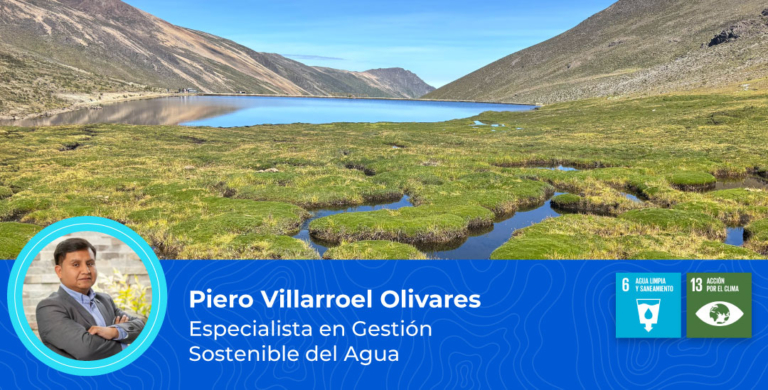
We rehabilitate amunas, qochas and bofedales that recharge water to the subsoil, strengthening communities and water reserves.
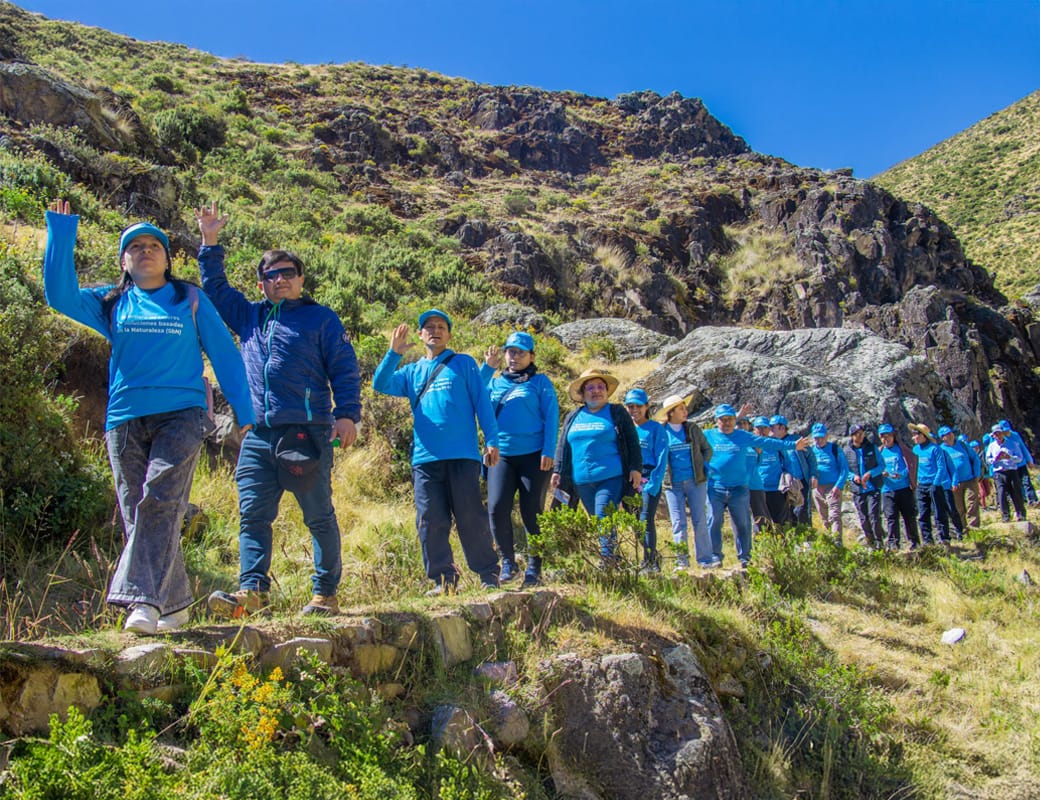
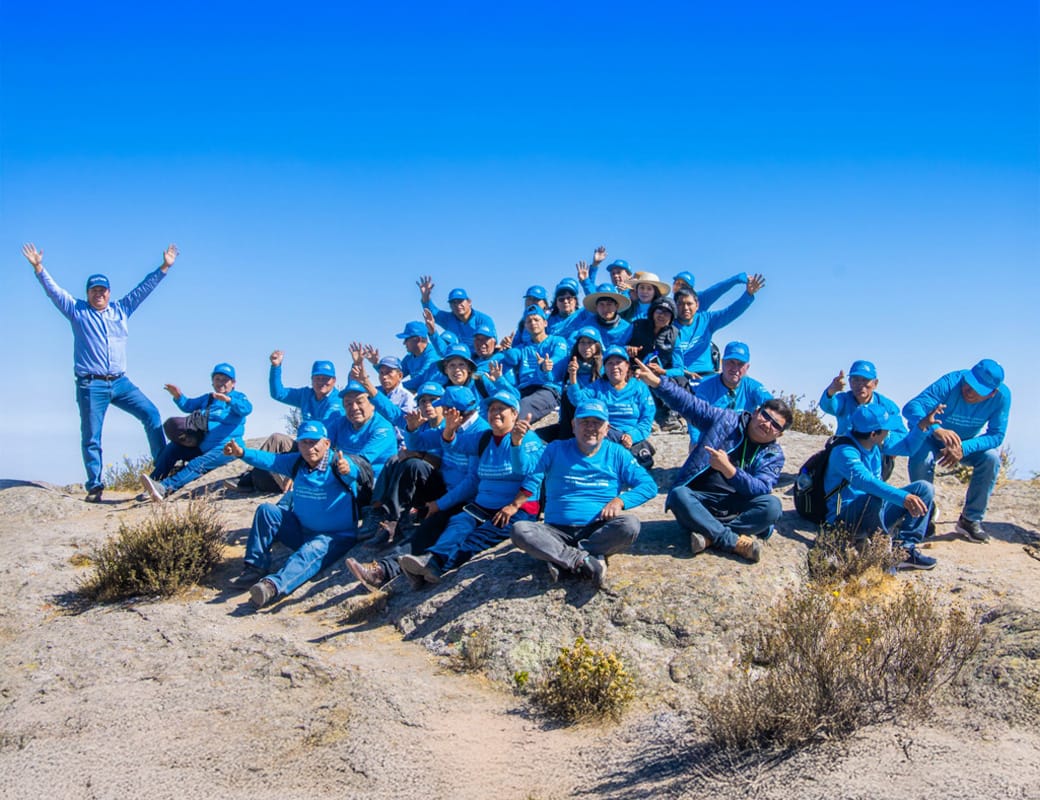
We train leaders and young people committed to water, promoting programs that educate, inspire and promote sustainability.
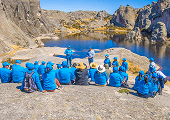
We strengthen food security with technified irrigation and sustainable practices that care for the environment and ecosystems.

We develop projects that provide safe, quality water, improving health and reducing water gaps.
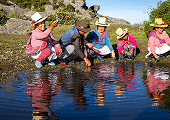
Political, social, economic and administrative processes and structures used to develop, regulate and manage water resources.
 Back
Back
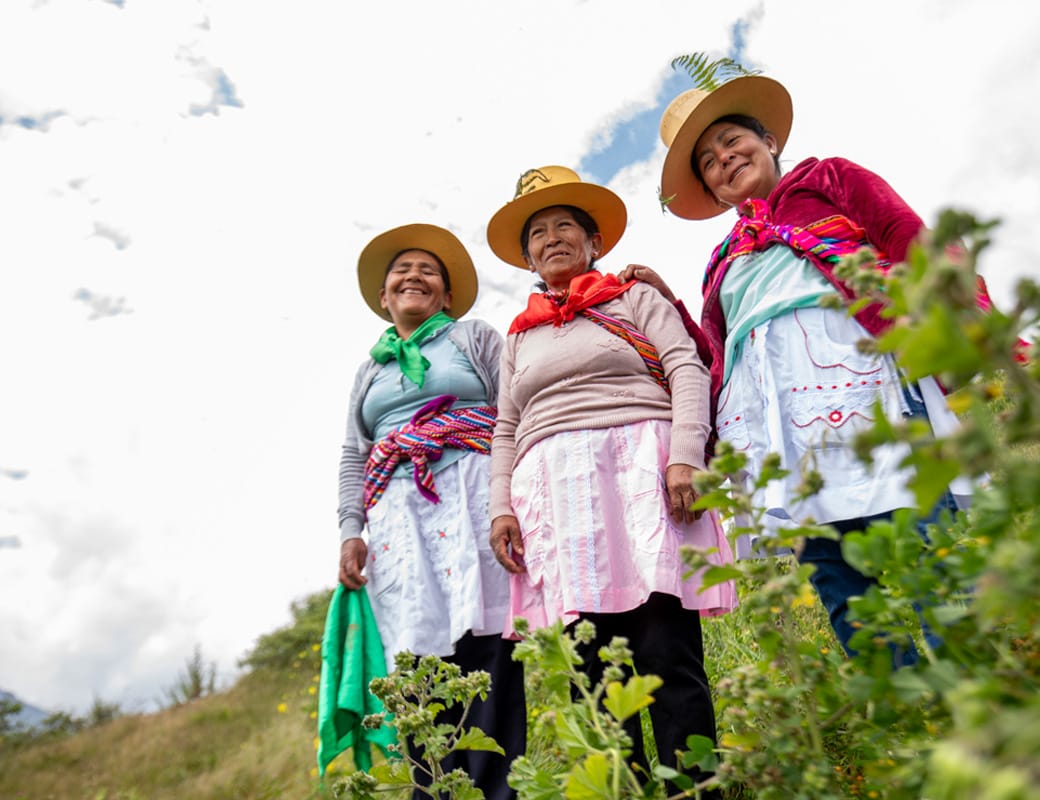
Together with The Coca-Cola Company, through its international funding program The Coca-Cola Foundation International Donation, we will implement the project Improving water resilience through Amunas in the Santa Eulalia sub-basin. With the project we will contribute to increase the water resilience of the Quilcamachay-Vicas Rural Community, as well as the population of Lima and Callao, by recharging local aquifers. This effort will contribute to increase the availability of water in the community for the development of its economic activities, and will contribute to increase the availability of drinking water in the city.
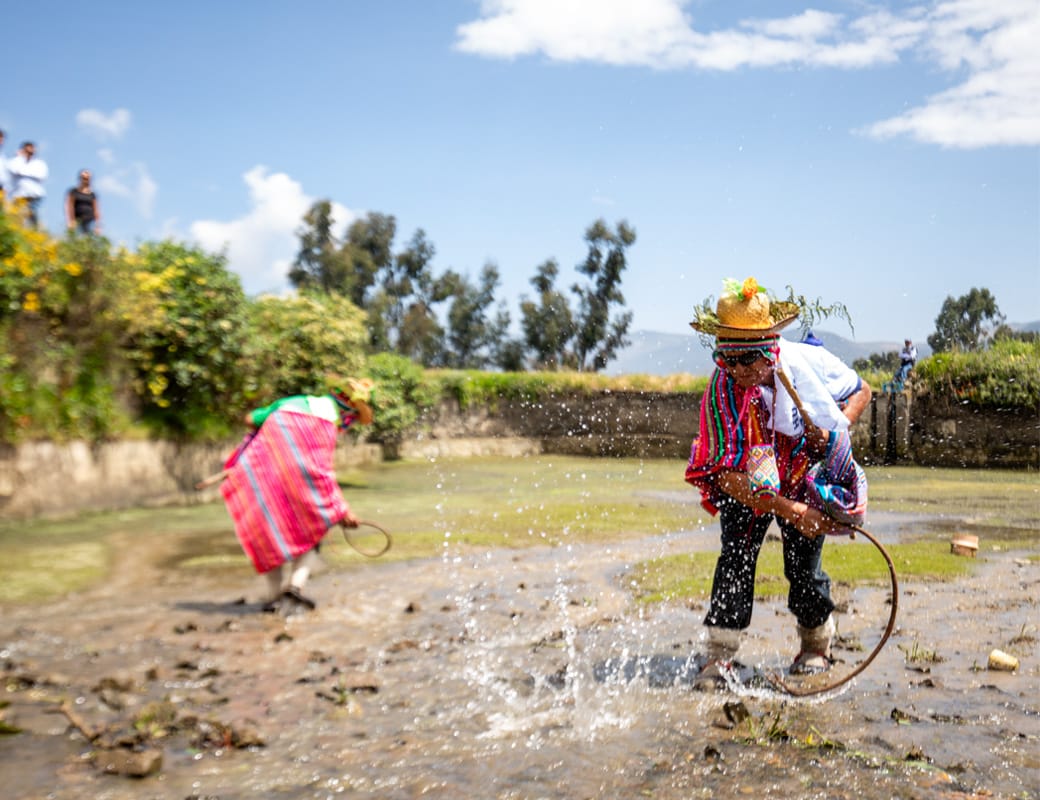
The project includes the rehabilitation of 8.25 km distributed in the Palación-Quilcamachay and Pacrayoko-Puquiobarroso amunas. It is important to note that the project revalues the ancestral knowledge of the population, complementing it with modern engineering techniques. In addition, it promotes capacity building of the community members and their involvement in the operation and maintenance of the amunas.
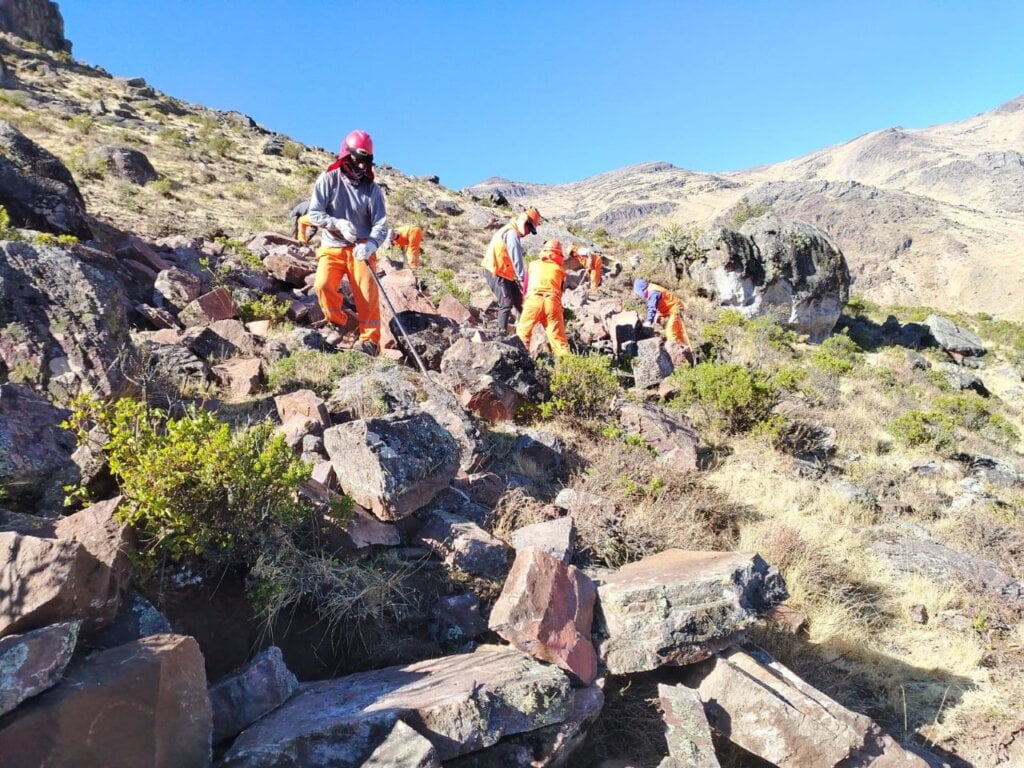
Improve water resilience by developing and strengthening knowledge and capacities to cope with the impacts of climate change through the rehabilitation of amunas.