







Where are the Amunas located?
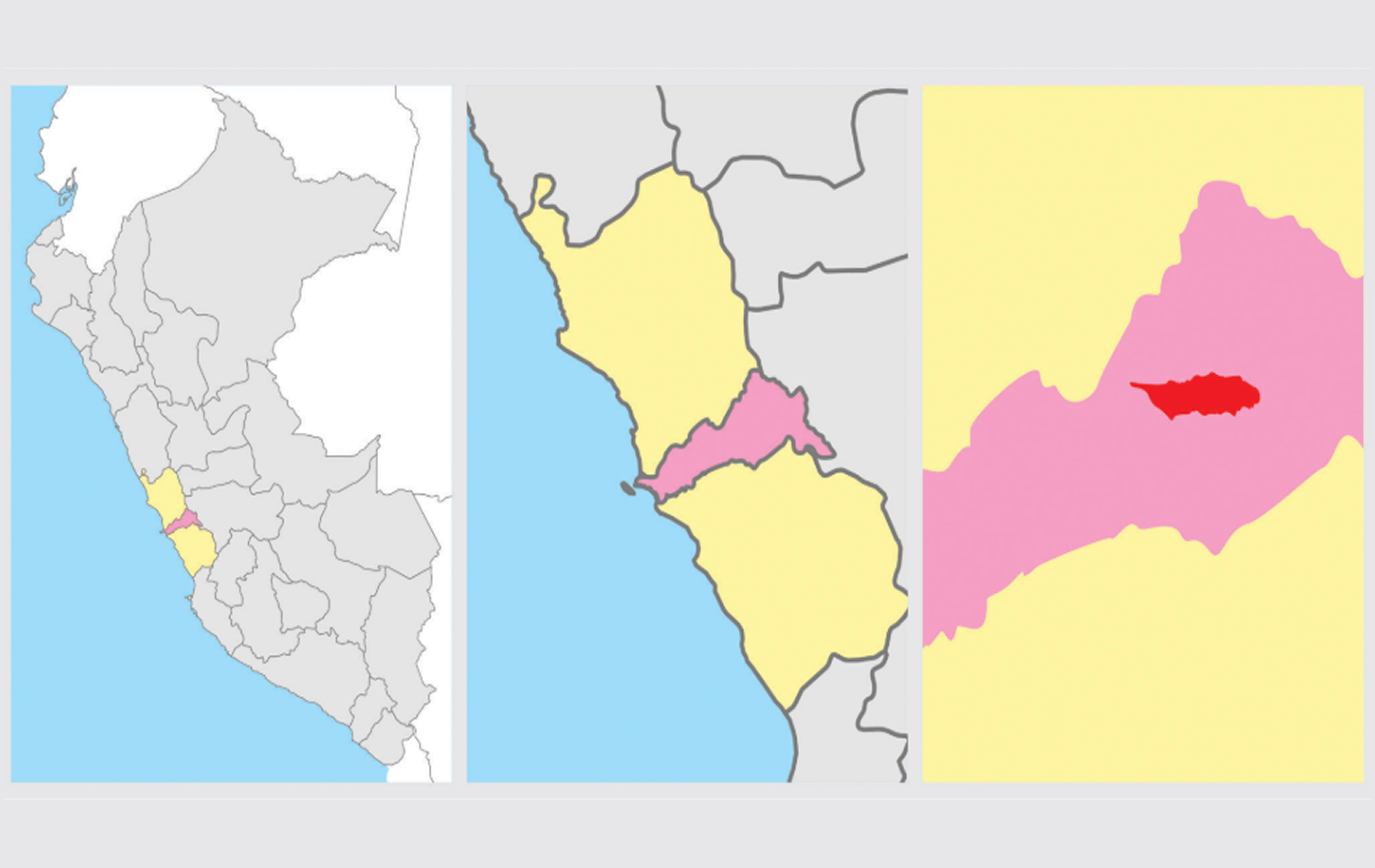
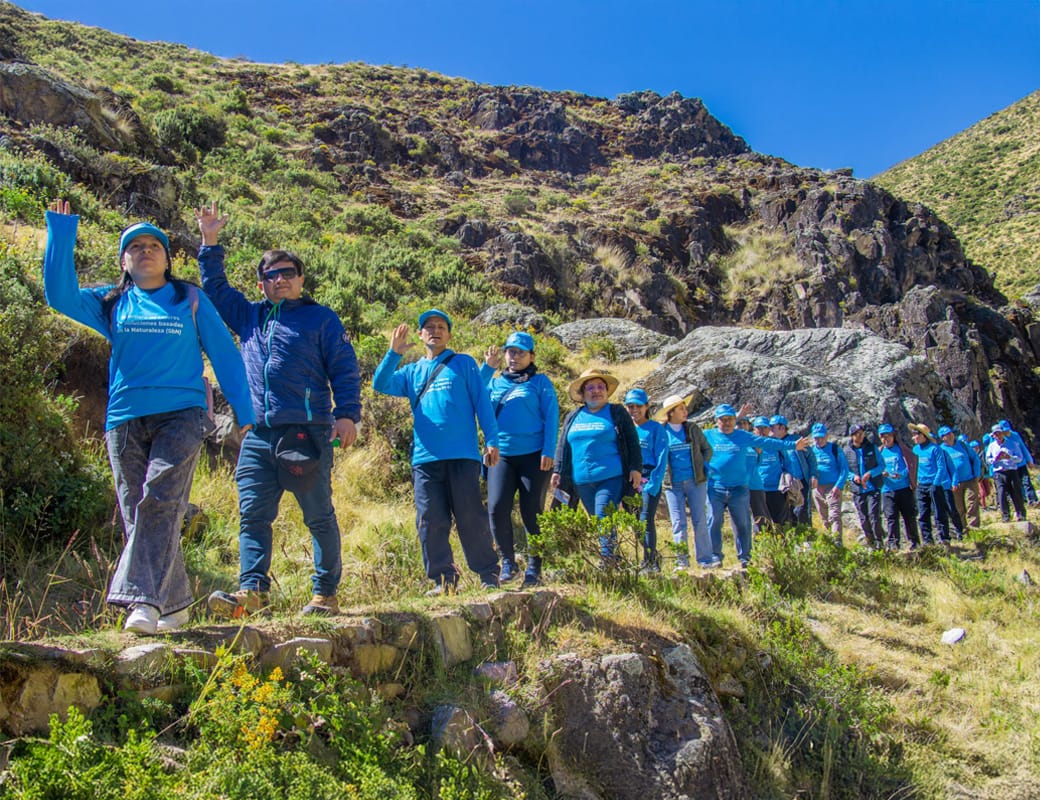
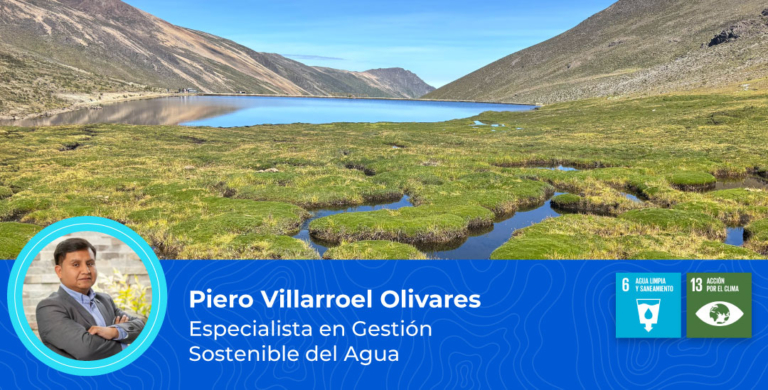
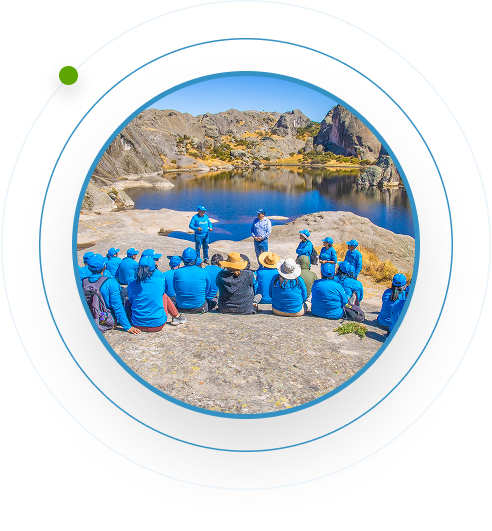
Las Amunas is located within the Carhuayumac micro-watershed, which covers 58.4 km². This site is composed of the confluence of the Yampakcha, Witama, and Chanicocha rivers, which converge to form the Carhuayumac River.

We rehabilitate amunas, qochas and bofedales that recharge water to the subsoil, strengthening communities and water reserves.
We train leaders and young people committed to water, promoting programs that educate, inspire and promote sustainability.
We strengthen food security with technified irrigation and sustainable practices that care for the environment and ecosystems.

We develop projects that provide safe, quality water, improving health and reducing water gaps.
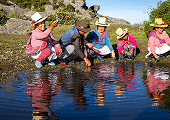
Political, social, economic and administrative processes and structures used to develop, regulate and manage water resources.
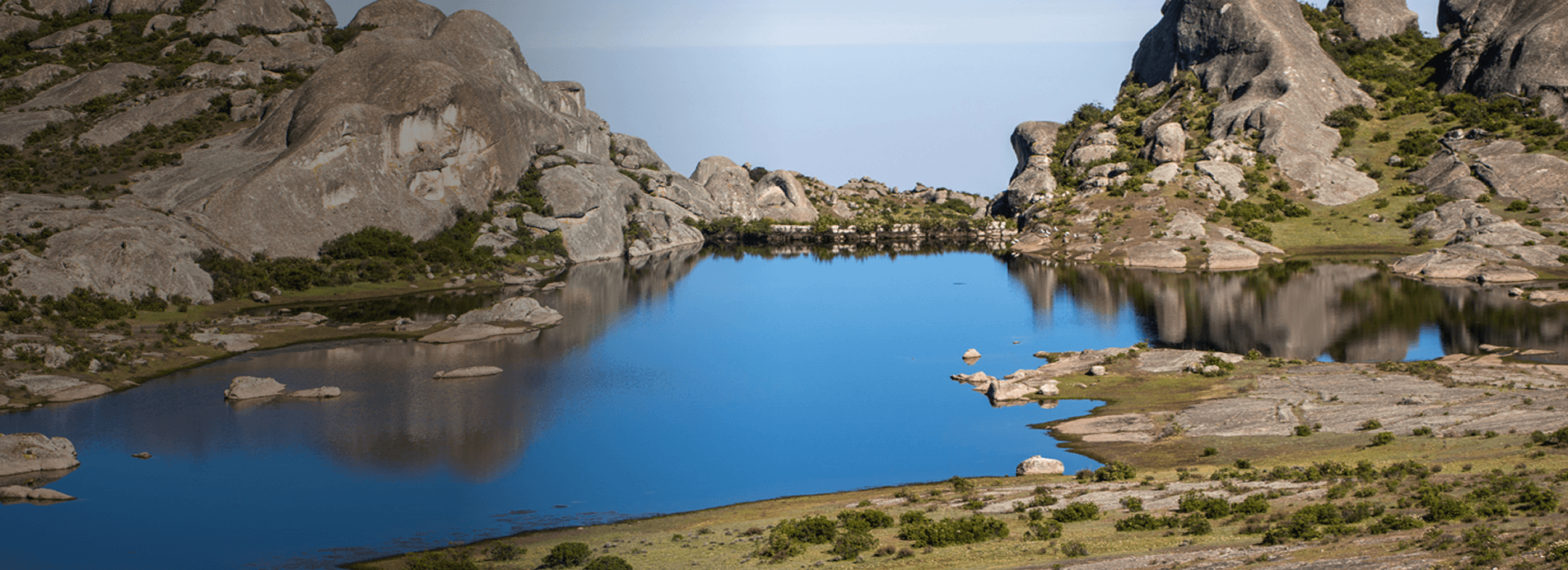
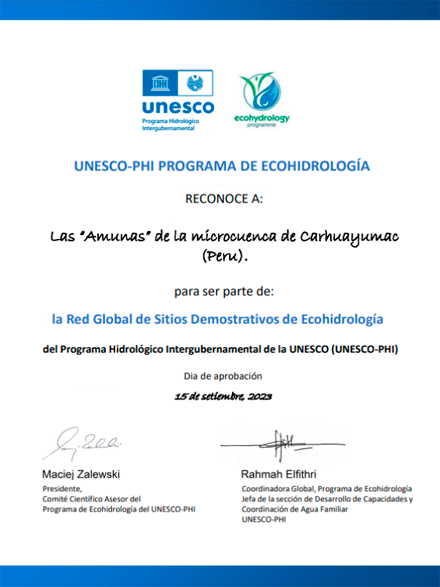
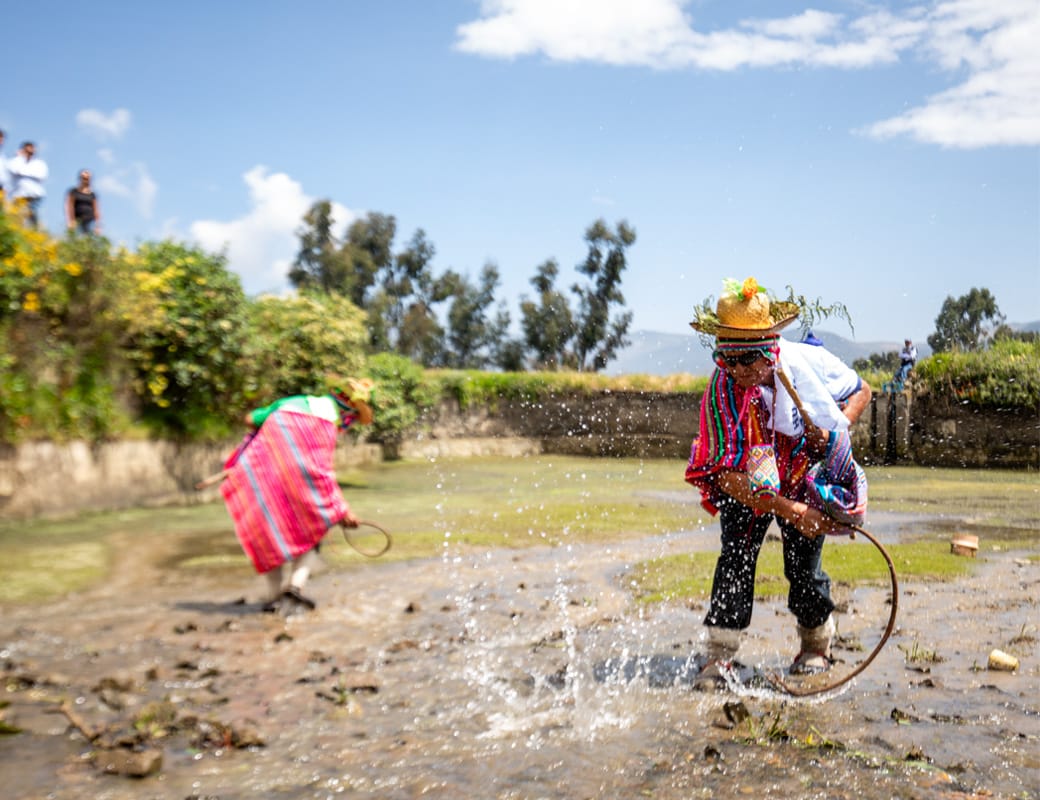
The water planting practices implemented in the San Pedro de Casta Peasant Community (Huarochirí, Lima) exemplify a successful ecohydrological model. In 2023, UNESCO granted this experience official recognition as an Ecohydrology Demonstration Site "Amunas de la microcuenca de Carhuayumac".
The demonstration site articulates various Nature-based solutions implemented between 2016 and 2022, which together have managed to infiltrate more than 6 million m3 of water into the aquifers that supply the domestic consumption of more than 119 thousand inhabitants of Lima. Within this group, the amunas, with its more than 27 km rehabilitated, concentrates the largest water contribution, consolidating itself as a reference for its positive impact on water security.
Las Amunas is located within the Carhuayumac micro-watershed, which covers 58.4 km². This site is composed of the confluence of the Yampakcha, Witama, and Chanicocha rivers, which converge to form the Carhuayumac River.

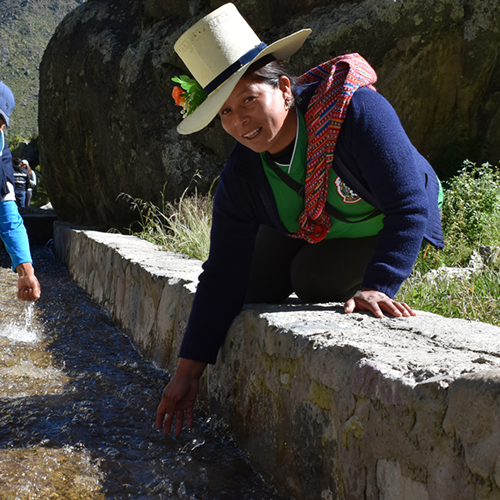
The Amunas are an outstanding example of ecological engineering, representing a traditional Andean water management system. With 27.5 km rehabilitated, they control hydrological processes and benefit more than 1'000 hectares of vegetation. Their key role in water management includes the potential infiltration of more than 6.8 million cubic meters into the watershed.

The Amunas and the surrounding vegetation maintain a dual regulation relationship. Water infiltrating into the aquifer increases soil moisture, a condition that is exploited by the vegetation. This harmonious balance reduces erosion, decreases runoff velocity and contributes to soil stabilization.

+27.5 km
of Amunas.
+1000 Hectares
of land benefited.
+6.8 Million m3
of filtered water.
+1.5 Million
USD invested.
+560 of Members
Project data
 The Amunas and the surrounding vegetation share a reciprocal relationship in which hydrological processes and biota influence each other.They control water flow, reduce erosion and improve infiltration, benefiting plant growth. In return, the protection and conservation of peatland vegetation stabilizes the soil, influences the local climate and reinforces hydrological dynamics.The proposed ecological engineering focuses on restoring the Amunas and protecting and conserving the peatlands to maintain a dynamic balance, creating a harmonious loop of influence between hydrological processes and vegetation.
Ecohydrological solutions
Develop ecological engineering focused on the restoration of Amunas as traditional Andean knowledge for water management.The 27.5 km of Amunas have already benefited more than 1,000 hectares and have potentially infiltrated more than 6.8 million cubic meters of water into the Carhuayumaq micro-watershed; the hydrological process influences the biota.Protection and conservation of 24.8 hectares of Andean wetlands/wetlands in 13 sites. According to a study, these areas could store some 106,640 cubic meters of water per year (biota influences hydrological processes).