
















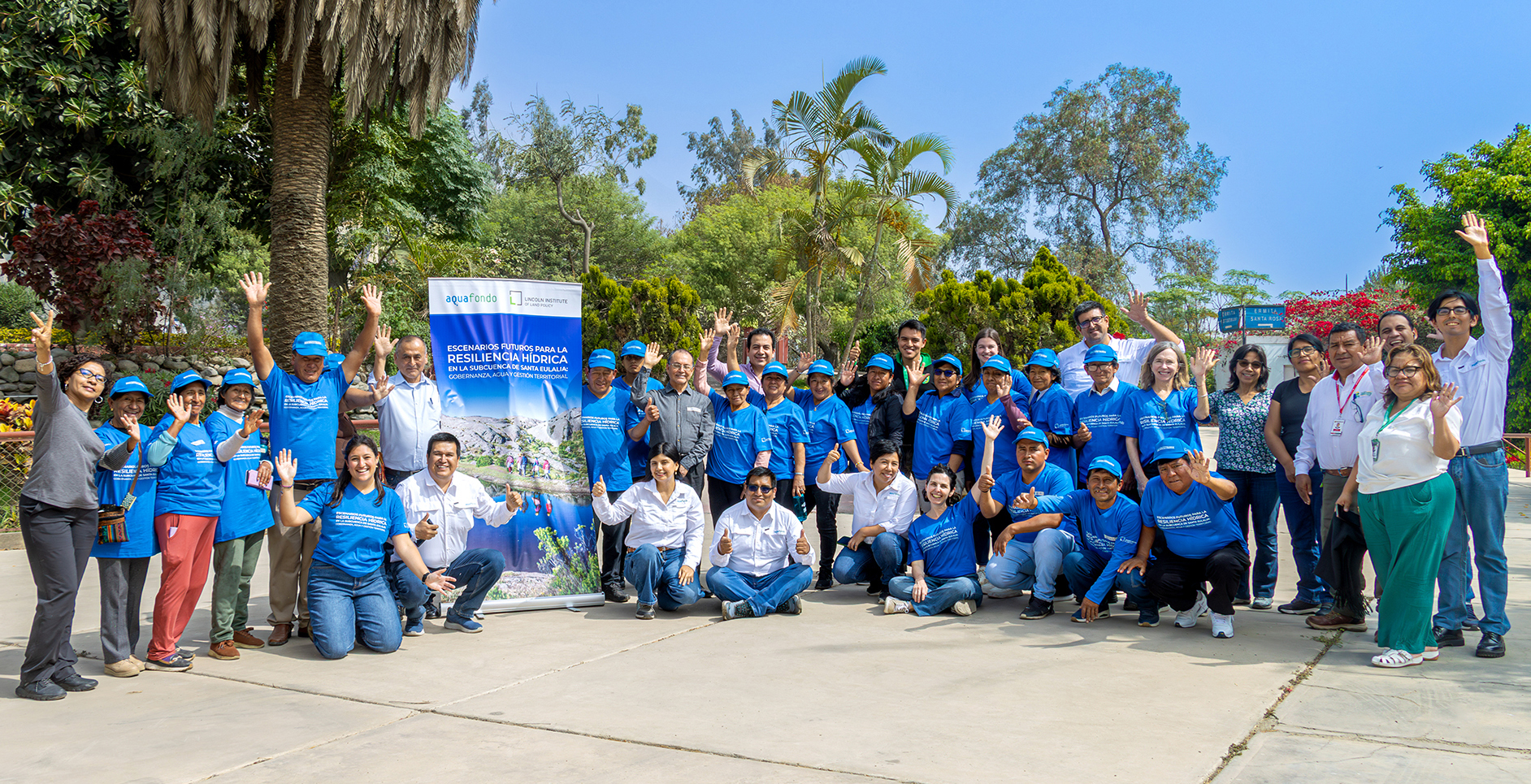
Water resilience is built by bringing together the knowledge, experiences, and perspectives of those who live in, manage, and protect the territory. For this reason, on May 21 and 22, we held the Multi-Stakeholder Forum of the project “Future Scenarios for Water Resilience in the Santa Eulalia Sub-basin,” an initiative we are developing together with the Lincoln Institute of Land Policy to strengthen the capacity to anticipate and respond to water-related challenges through the year 2050.
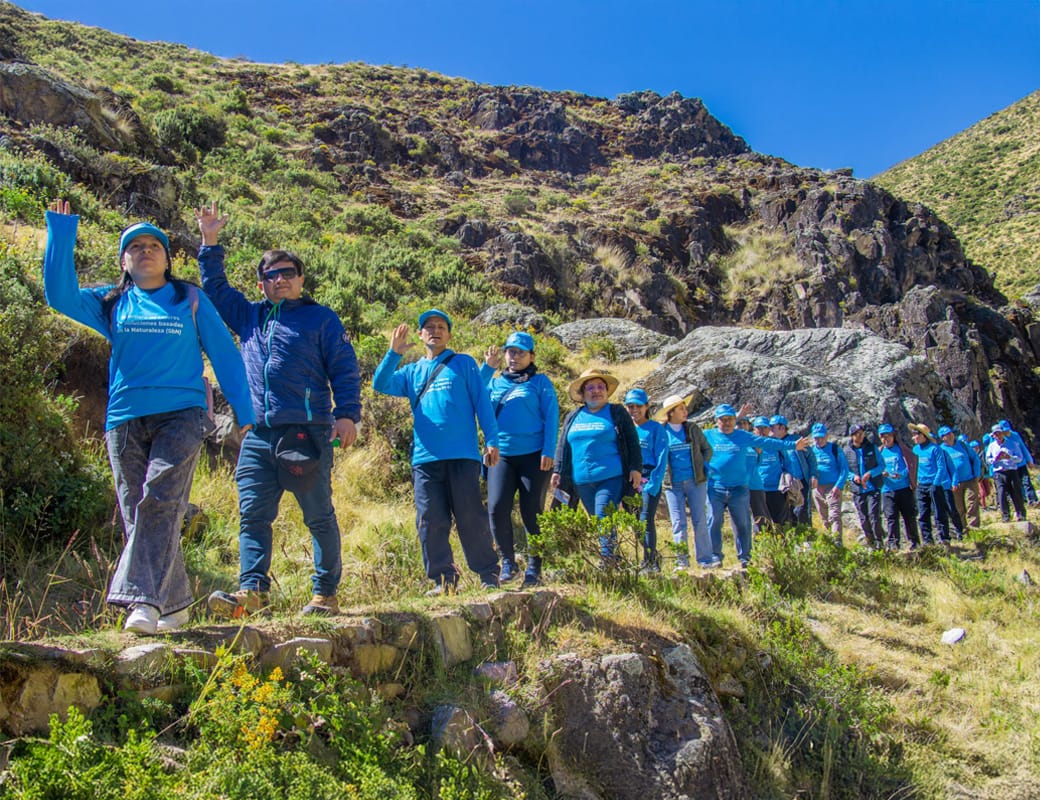
The event brought together 40 representatives from communities within the Santa Eulalia sub-basin, public institutions, and partner organizations in Huarochirí to create a space for dialogue on the future of water and its management.
Building future scenarios to strengthen water security
As part of the forum, participants analyzed trends, drivers of change, and uncertainties that could influence the water resilience of the sub-basin by 2050. During the working sessions, we identified two critical factors: the impacts of climate change and the State’s institutional management capacity. Based on these factors, we developed four future scenarios that allowed participants to explore different possible contexts for water management and local development.
Strategies and commitments for a more resilient territory
Through a participatory methodology, each group analyzed the risks and opportunities associated with the proposed scenarios, defining strategies, actions, and commitments aimed at strengthening water governance, territorial management, and water security.
As a result of the forum, we consolidated a proposal of integrated strategies that will help guide future actions aimed at promoting the sustainable development of the sub-basin and strengthening its capacity to adapt to changing climatic, institutional, and socioeconomic scenarios.
Dialogue and collaboration as the foundation of water resilience
The forum included the participation of representatives from CARE Perú, SABAVIDA, the Ministerio del Ambiente (MINAM), the Autoridad Nacional del Agua (ANA), the Servicio Nacional de Meteorología e Hidrología del Perú (SENAMHI), the Regional Agriculture Management Office, and other stakeholders involved in water and territorial management.
This collaborative effort reaffirms the importance of building solutions through dialogue, integrating technical knowledge, community experience, and coordination among public and private institutions.
At Aquafondo, we are convinced that water security is built collectively. Listening to diverse voices, anticipating future scenarios, and promoting informed decision-making are fundamental steps to ensure water availability for future generations and strengthen the water resilience of Santa Eulalia and Lima.
Find more information about the Lincoln Institute of Land Policy through its official channels:
LinkedIn | Instagram | Facebook | YouTube | Podcasts | Bluesky

