





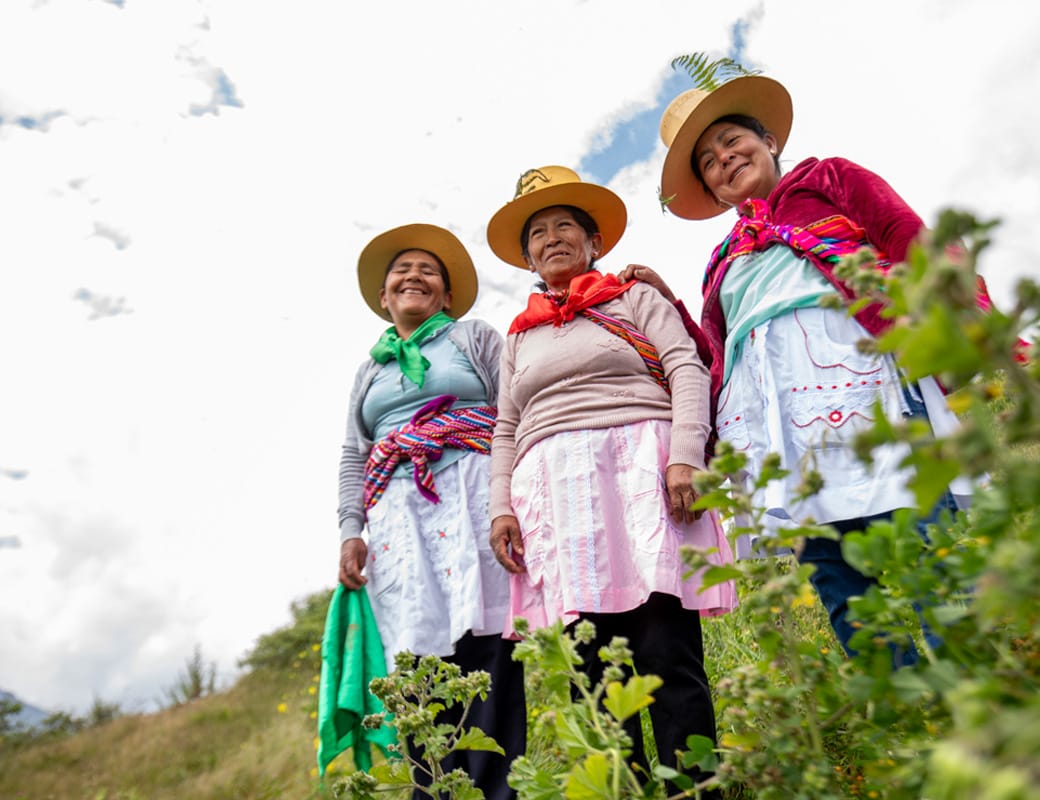
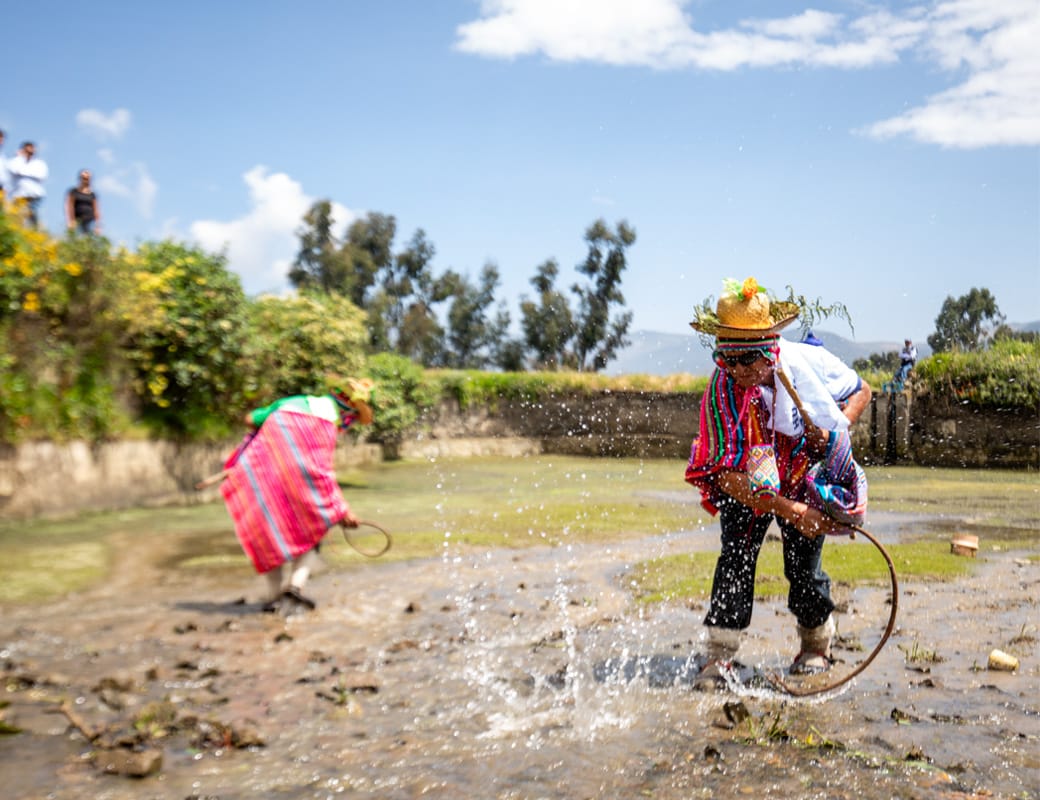
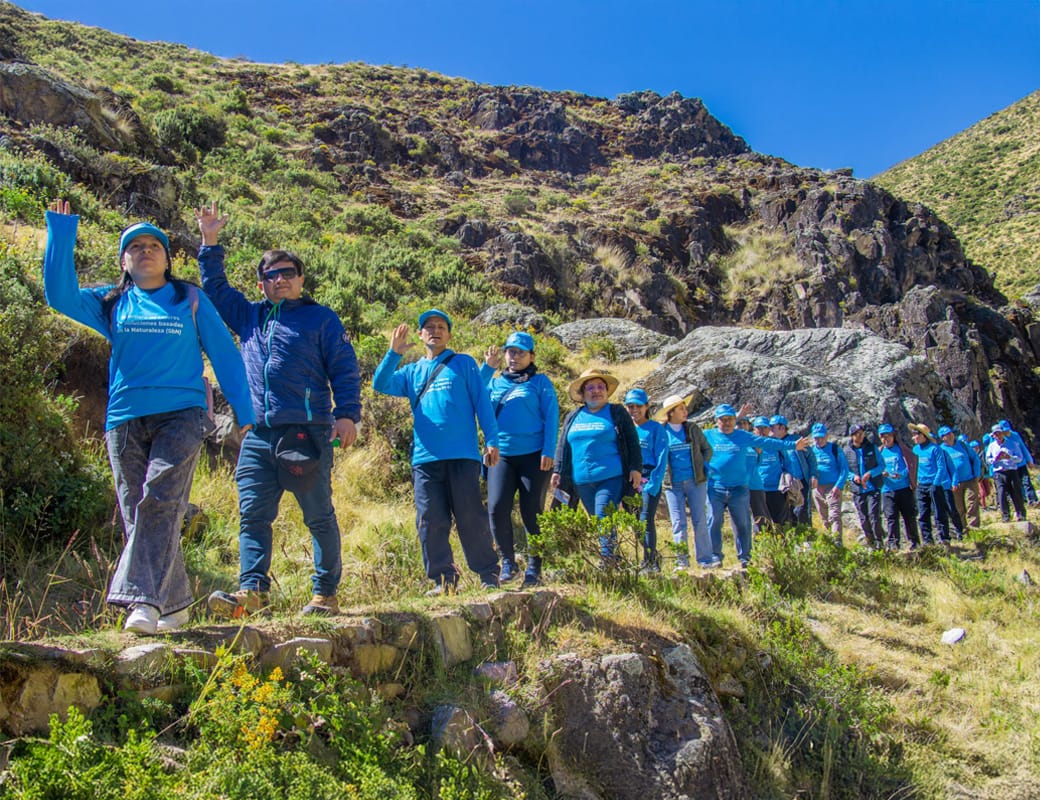
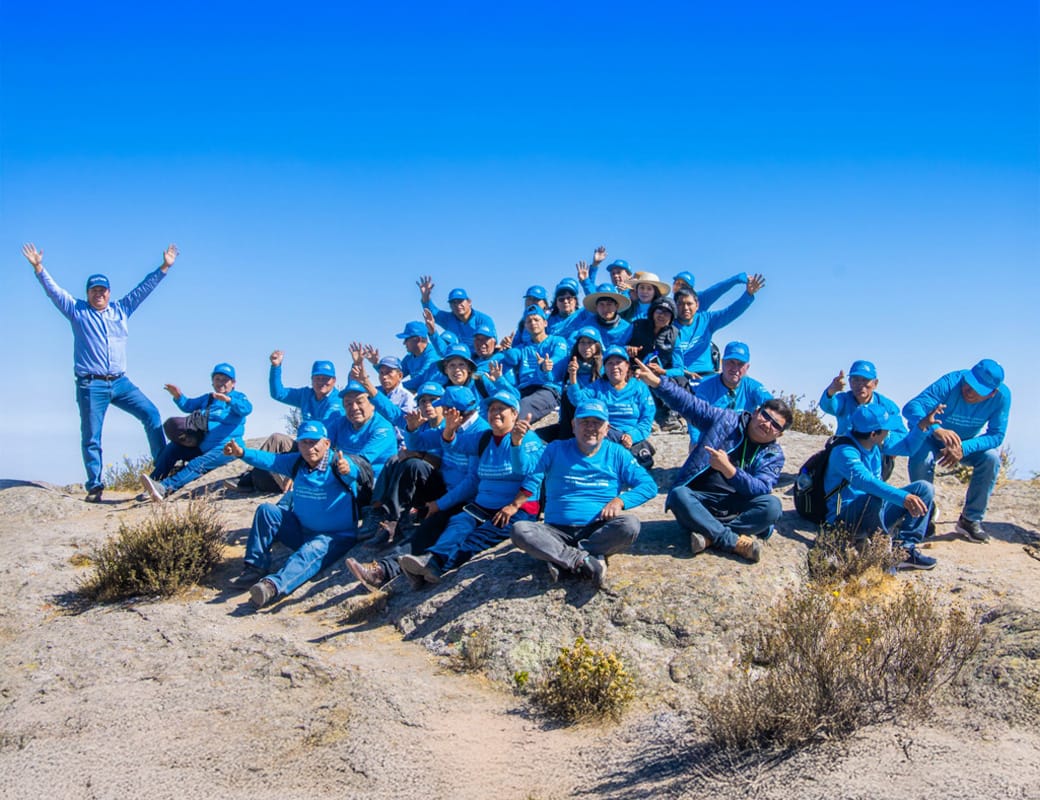





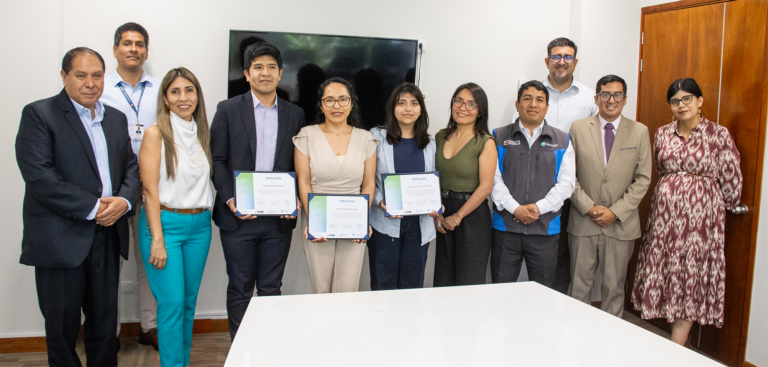
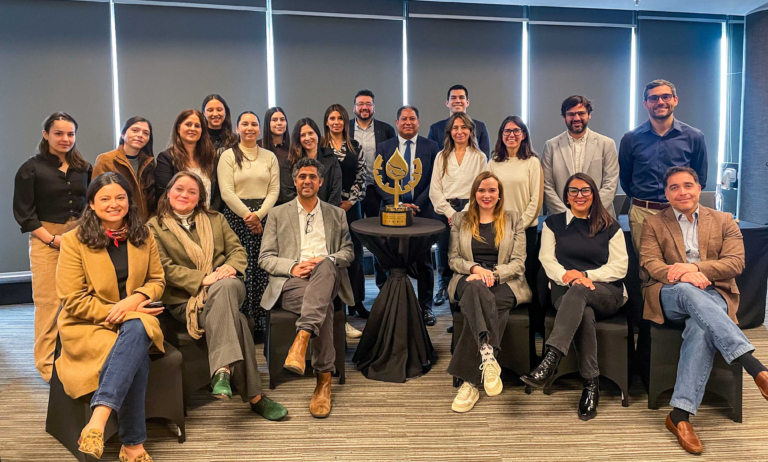


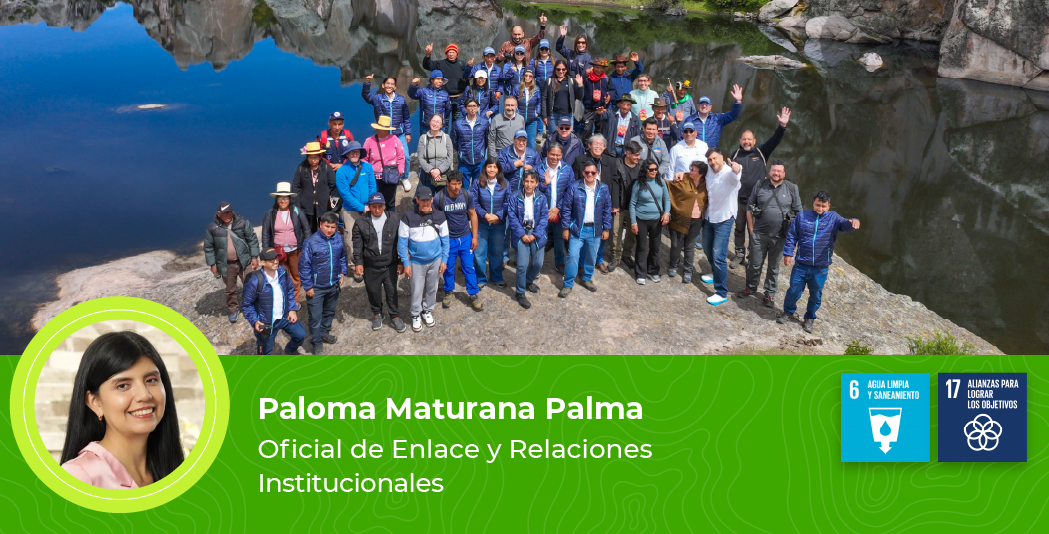
Imagine for a moment that we are gathered around a large working table. Representatives from the public sector, private sector, civil society, international cooperation agencies, citizens, and rural farming communities come together with a shared purpose: to protect water.
Each participant brings unique knowledge, tools, and experiences. It is through this collaboration—where diverse perspectives come together—that real and sustainable solutions are created to address Lima’s greatest challenge today: ensuring sufficient quantity and quality of water for 11.5 million people and for the ecosystems that sustain us
This challenge cannot be addressed through isolated projects or individual efforts. It requires strong, participatory, and transparent water governance that brings stakeholders together and builds trust among diverse actors.
At Aquafondo, the Water Fund for Lima and Callao, we firmly believe that interinstitutional collaboration is the key to overcoming this challenge. Since our inception, we have embraced the role of a platform for dialogue and coordination, where representatives from different sectors come together to exchange experiences, foster collaboration, and jointly build pathways toward water security.
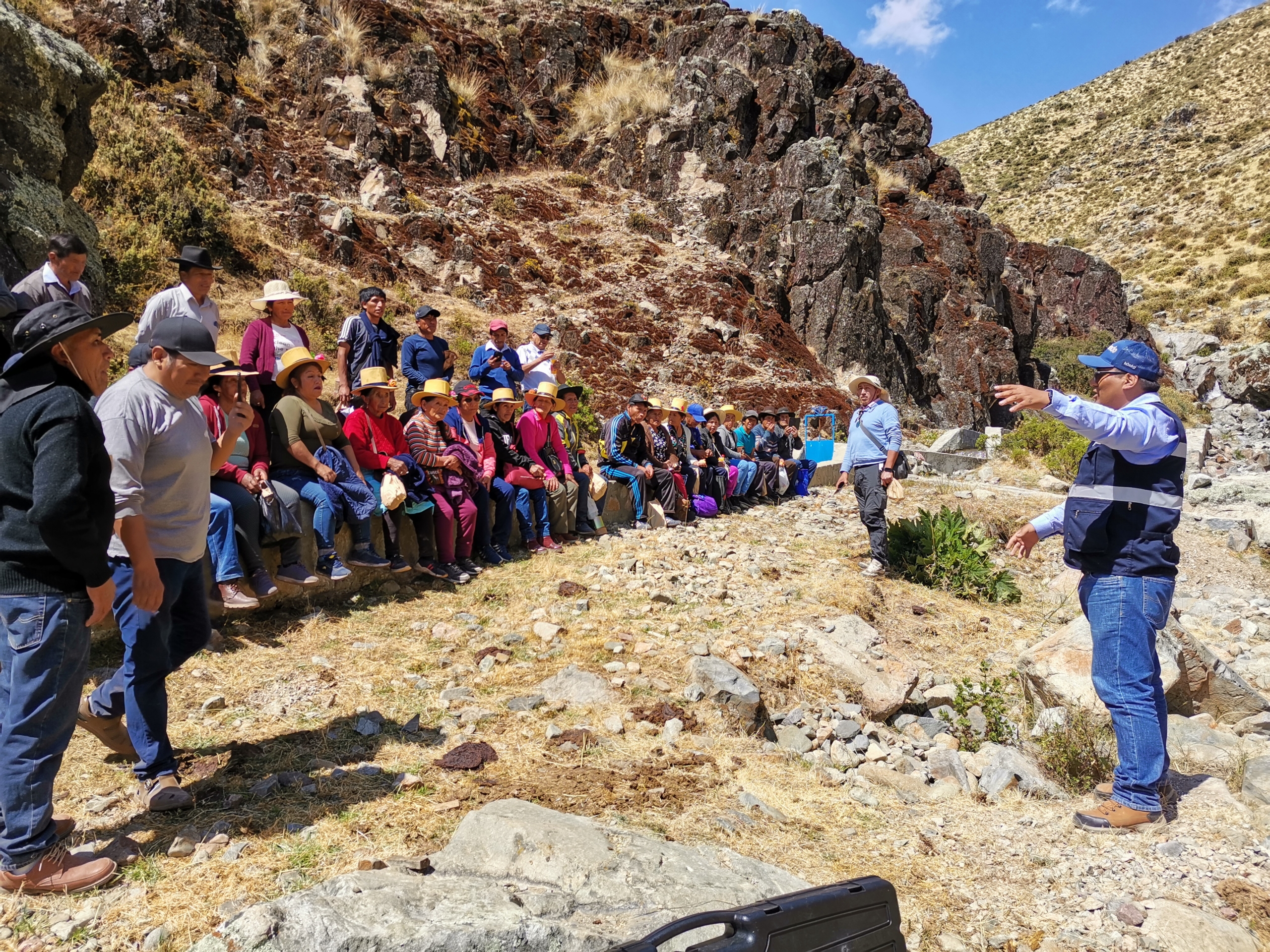
Where Meetings Become Opportunities
At Aquafondo, we are convinced that effective communication and interinstitutional coordination are the foundation of our work.
Thanks to these principles, we have fostered multi-stakeholder and multi-level dialogue spaces that go far beyond formal meetings, becoming genuine opportunities for collaboration, innovation, and collective action.
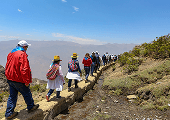
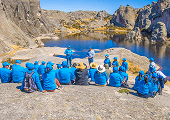
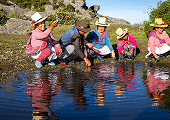
They are opportunities to listen to everyone—from government ministries responsible for shaping public policy to the rural communities that protect the ecosystems in the upper reaches of the watersheds.
They are opportunities to build consensus, even on complex issues where interests and perspectives may differ.
They are opportunities to share knowledge, exchange lessons learned, and generate evidence that strengthens informed decision-making.
In this way, the spaces we promote not only enable better planning, but also create an environment where water management becomes more inclusive, efficient, and sustainable.
Experiences of Collaboration with the Public Sector
Our commitment to good water governance is reflected in the close and trusted relationships we have built with public institutions.
Each of these experiences demonstrates that when we work together, our impact is greater.
- With the Ministry of the Environment (MINAM): We have jointly developed the Research Window on Water Challenges, an initiative that promotes environmental research to generate new knowledge.
We also co-organized the MERSE Day during Expo Agua & Sostenibilidad, creating a platform to promote and strengthen Water Ecosystem Services Compensation Mechanisms (MERSE). - With the Ministry of Housing, Construction and Sanitation (MVCS): We actively participate in the United for Water and Sanitation multi-stakeholder platform.
This platform brings together public and private sector organizations under a shared objective: to ensure safe and sustainable access to water for everyone. - With the National Water Authority (ANA): We carry out joint water culture initiatives, actively participate in its multi-stakeholder working groups, and join efforts to celebrate Chillón, Rímac, and Lurín Rivers Week.
- With regional and local governments: We provide technical assistance and promote capacity-building initiatives to integrate water security and territory-based solutions into local planning, supporting interventions that respond to the specific needs of each watershed.
- With the Chillón, Rímac, and Lurín Interregional Watershed Water Resources Council (CRHC Chillón, Rímac, Lurín): Aquafondo was the driving force behind its creation, recognizing the need for a governance body that would bring together the key stakeholders across the watershed.
Since then, we have played an active role in this platform, fostering dialogue, coordination, and consensus-building among public institutions, the private sector, water user organizations, academia, and civil society to strengthen Integrated Water Resources Management (IWRM) and advance water security for Lima and Callao.
These collaborations have enabled us to strengthen institutional capacities, scale up best practices, and build lasting trust among institutions.
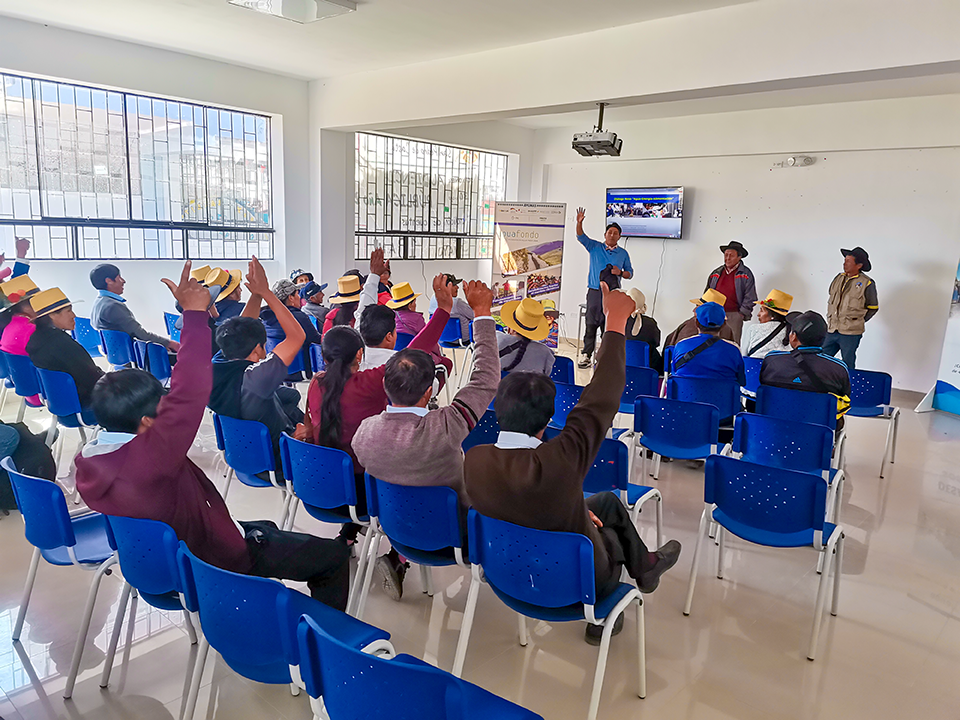
Stories That Demonstrate the Power of Collaboration
Our experience has shown us that when stakeholders come together around the same table, the outcomes are stronger, more meaningful, and more sustainable.
A clear example is found in the tripartite partnerships we have promoted with local governments and the private sector.
Through these agreements, we have advanced the sustainable irrigation of urban green spaces using treated water.
In these partnerships, each stakeholder contributes a specific value:
Local governments provide the infrastructure and oversee the management of public spaces.
Private sector partners contribute financial resources and environmental commitment.
Aquafondo coordinates the initiative and ensures it remains aligned with water sustainability objectives.
The results are twofold: pressure on natural water sources is reduced, while public spaces are restored and enhanced for the benefit of local communities.
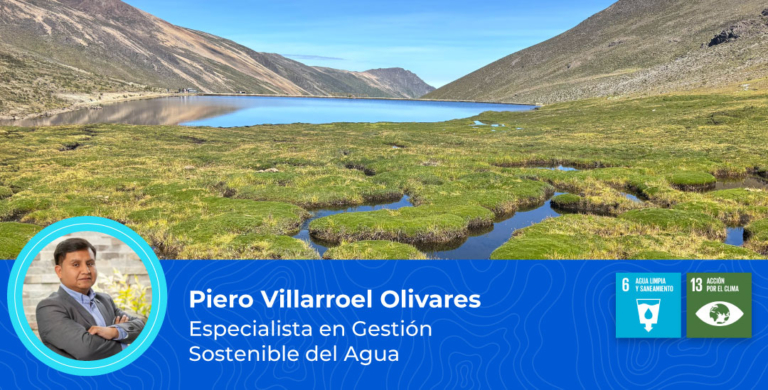
We are also building a strong and trusted partnership with the National Institute for Research on Glaciers and Mountain Ecosystems (INAIGEM), with whom we are carrying out joint initiatives to generate new knowledge about high-Andean wetlands (bofedales). These ecosystems are of particular importance because they act as natural water reservoirs, storing and regulating the water supply on which the population of Lima depends.
These examples remind us of something fundamental: water security cannot be achieved in isolation.
Only through collaboration can we develop solutions that endure over time and generate lasting benefits for both people and nature.
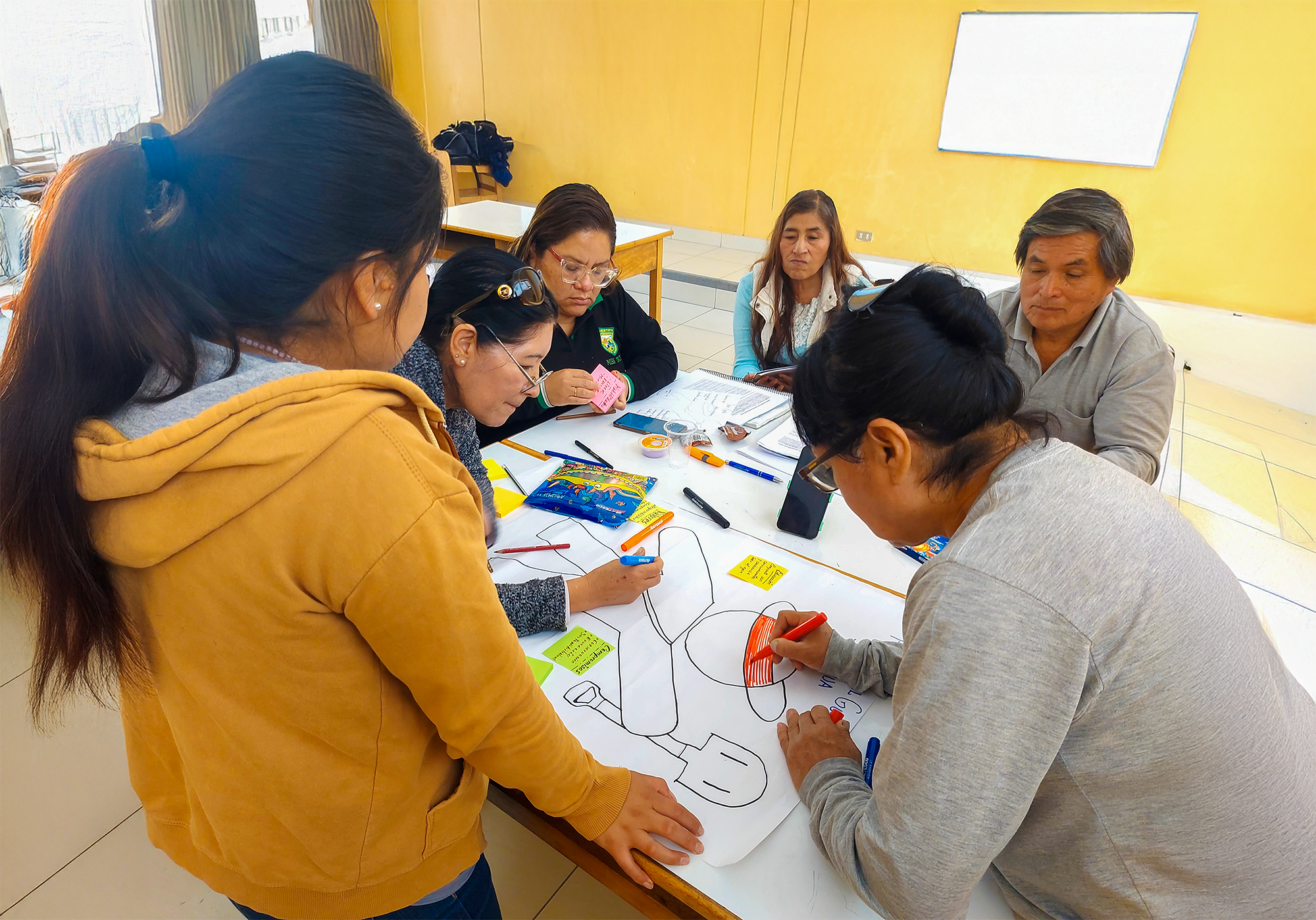
Lessons Learned from Interinstitutional Collaboration
Over the years, Aquafondo’s experience has shown us that effective water governance is built on clear principles.
Trust does not arise solely from agreements or working groups, but from the ability to turn commitments into tangible results.
We have also learned that every stakeholder plays a vital role. From decisions made by public institutions to the everyday actions of local communities, each contributes to strengthening water security.
We have found that shared knowledge multiplies its impact. The exchange of experiences fosters innovation, continuous improvement, and more effective solutions.
Above all, we have learned that water has the power to unite. Beyond differing interests, it reminds us that we all depend on the same resource, and that only through collective action can we ensure its long-term sustainability. #JuntosPorElAgua
Building the Future, #TogetherForWater
Water governance is not an abstract concept. It is the sum of stories, partnerships, shared commitments, and collective action that make it possible to safeguard this vital resource for both present and future generations.
At Aquafondo, we reaffirm our commitment to continue serving as a platform for collaboration and dialogue, bringing together diverse stakeholders around a shared purpose: ensuring sufficient, high-quality water for Lima and Callao.
We recognize that water security is a shared responsibility.
That is why we will continue to promote effective communication, multi-stakeholder dialogue, and interinstitutional collaboration as fundamental pillars for building a more resilient, sustainable, and inclusive city.

