
















Reflecting on the integration of sustainable water management practices with agroforestry, and their potential to strengthen agricultural productivity and enhance the resilience of rural farming communities in the Santa Eulalia sub-watershed.
Water security is one of the most pressing challenges facing Peru’s rural communities, particularly in regions highly vulnerable to climate change, such as the Santa Eulalia sub-watershed, the primary source of water for the Rímac River basin.
In this context, agroforestry offers an environmentally sustainable approach by integrating agricultural practices with trees and native vegetation. This strategy supports more efficient water management, while enhancing agricultural productivity and strengthening the food security of local communities.
Agroforestry: A Key Practice for Sustainable Water Management:
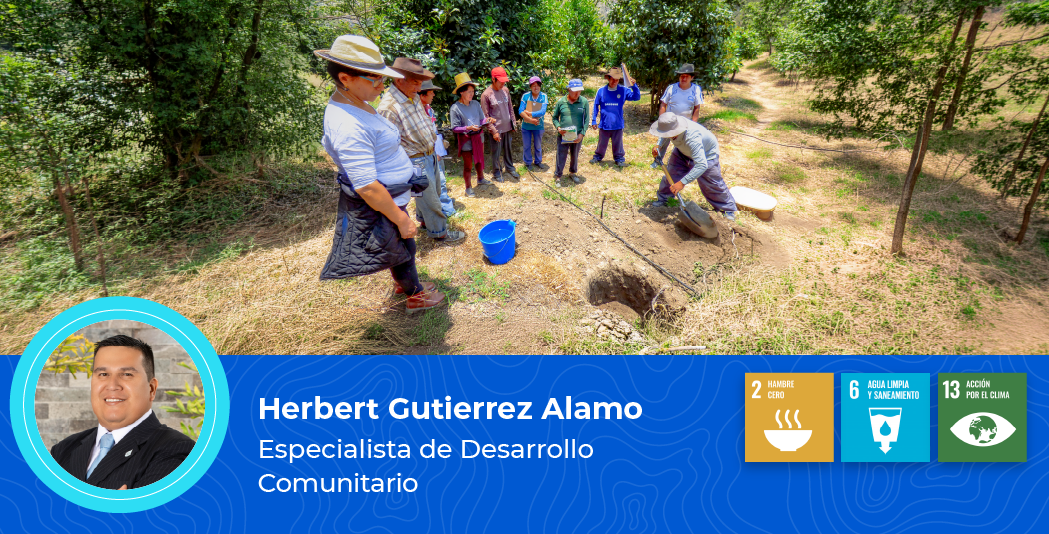
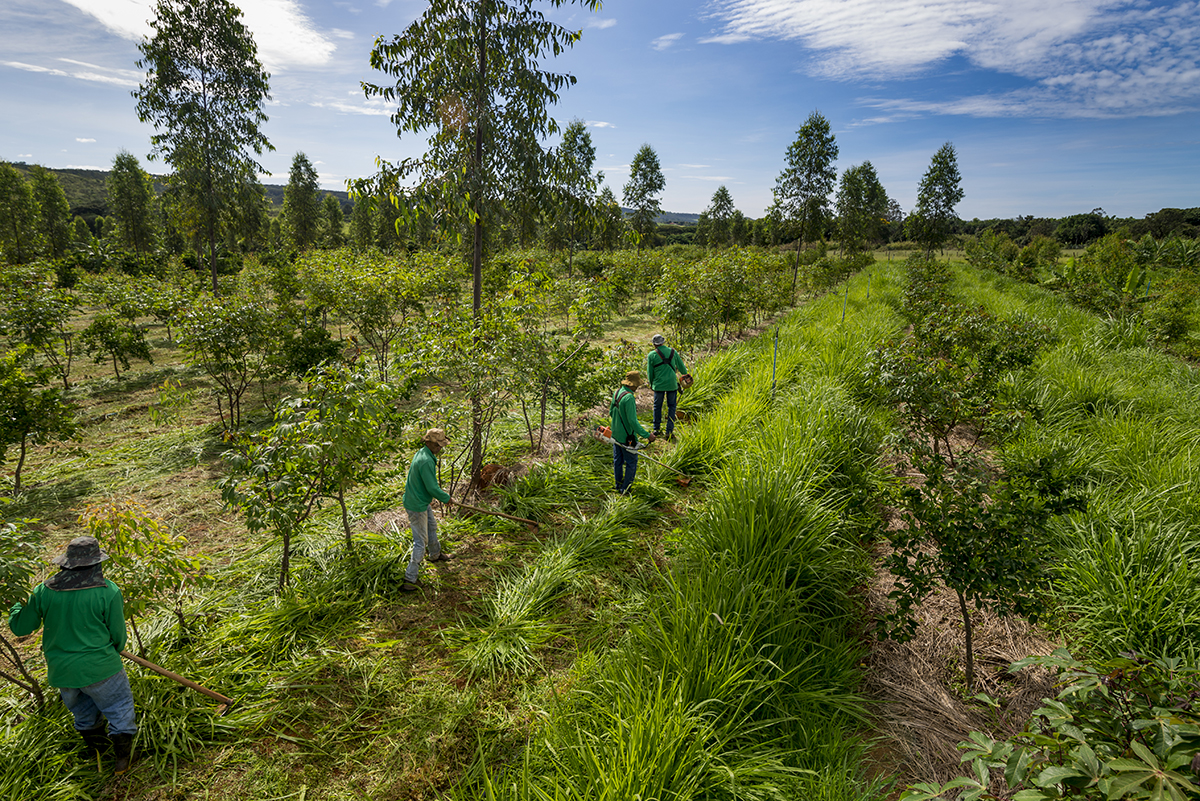
Agroforestry, defined as the integration of trees and vegetation into agricultural systems, promotes a balance between agricultural production and environmental conservation.
Tree roots play a crucial role in retaining water, reducing soil erosion, and improving water infiltration, thereby supporting more efficient water resource management. In addition, trees provide shade and help reduce evaporation, making them especially valuable in areas where high temperatures and water scarcity are ongoing challenges.
Examples include the queñual, quishuar, and aliso, which are particularly well suited to the high-Andean regions; the algarrobo, adapted to Peru’s coastal areas; and cacao, which thrives in tropical regions.
Having adapted over thousands of years, these native species not only support biodiversity but also enhance the resilience of ecosystems to the impacts of climate change.
Greater Productivity, Greater Resilience
Agroforestry systems can have a direct and significant impact on agricultural productivity. By integrating crops with trees, farmers not only increase the soil’s water retention capacity but also improve soil health.
As a result, crops become more resilient to droughts and other extreme weather events, such as frosts and flooding. Research has shown that agroforestry systems can increase the productivity of crops such as maize, potatoes, and coffee by up to 30% compared with conventional farming systems.
In addition, agroforestry practices are fully compatible with organic farming, promoting soil health while reducing reliance on synthetic fertilizers and chemical pesticides. This contributes to environmental conservation and supports the long-term sustainability of agricultural ecosystems.
A More Resilient Sub-Watershed
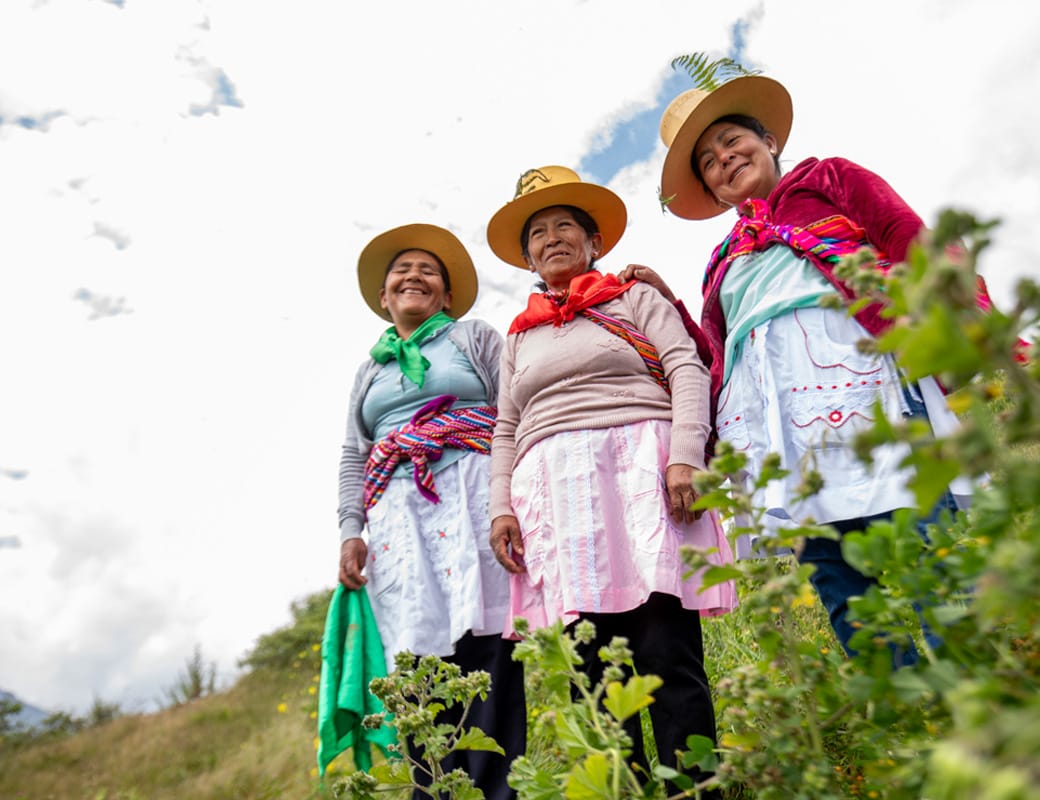
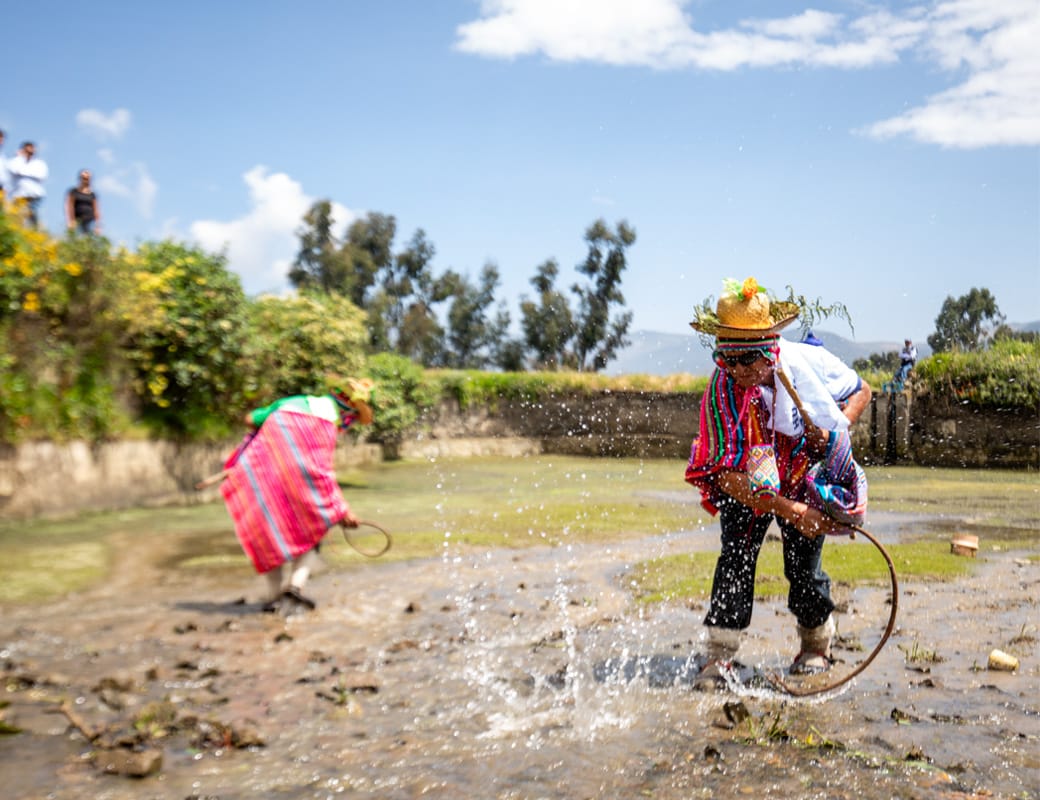
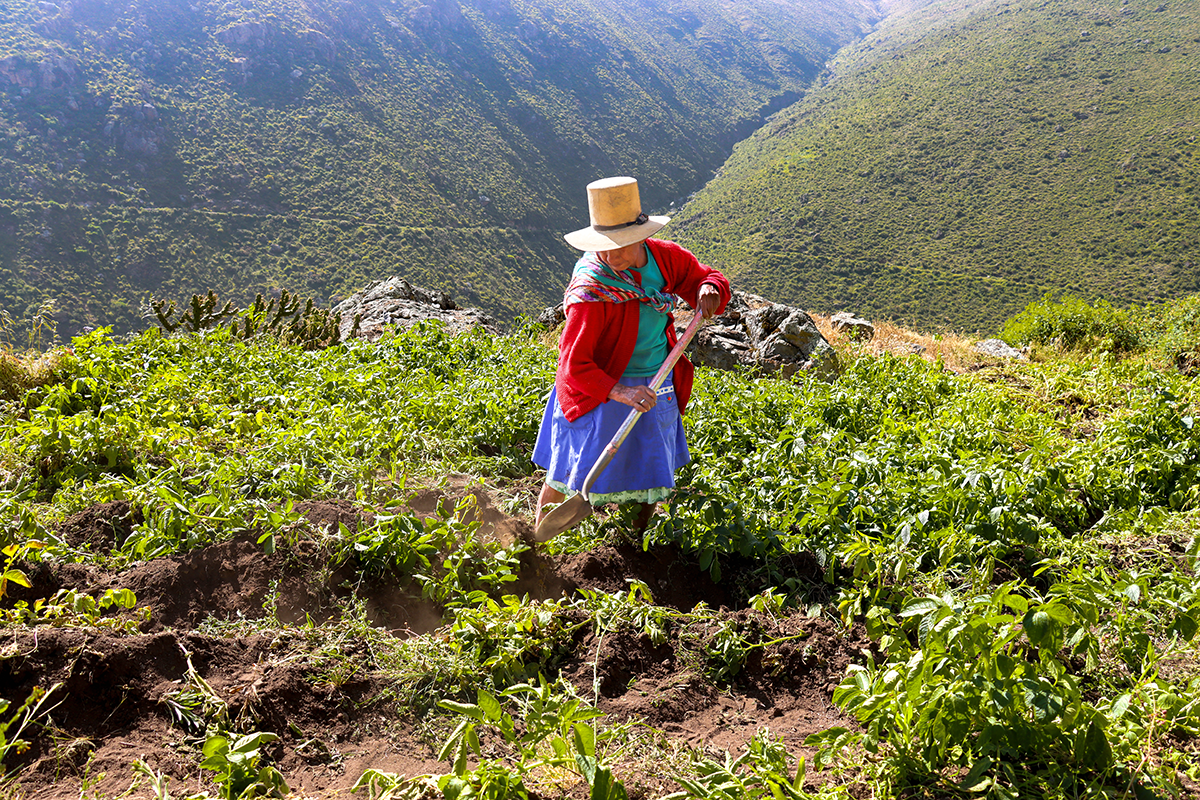
The Santa Eulalia sub-watershed clearly illustrates the vulnerability of rural farming communities to the impacts of climate change and increasing water scarcity. Farmers in this region rely primarily on local watershed resources and seasonal rainfall to irrigate their crops.
However, climate variability has increased the frequency of extreme weather events, such as droughts and frosts, reducing agricultural productivity and threatening the food security of local communities.
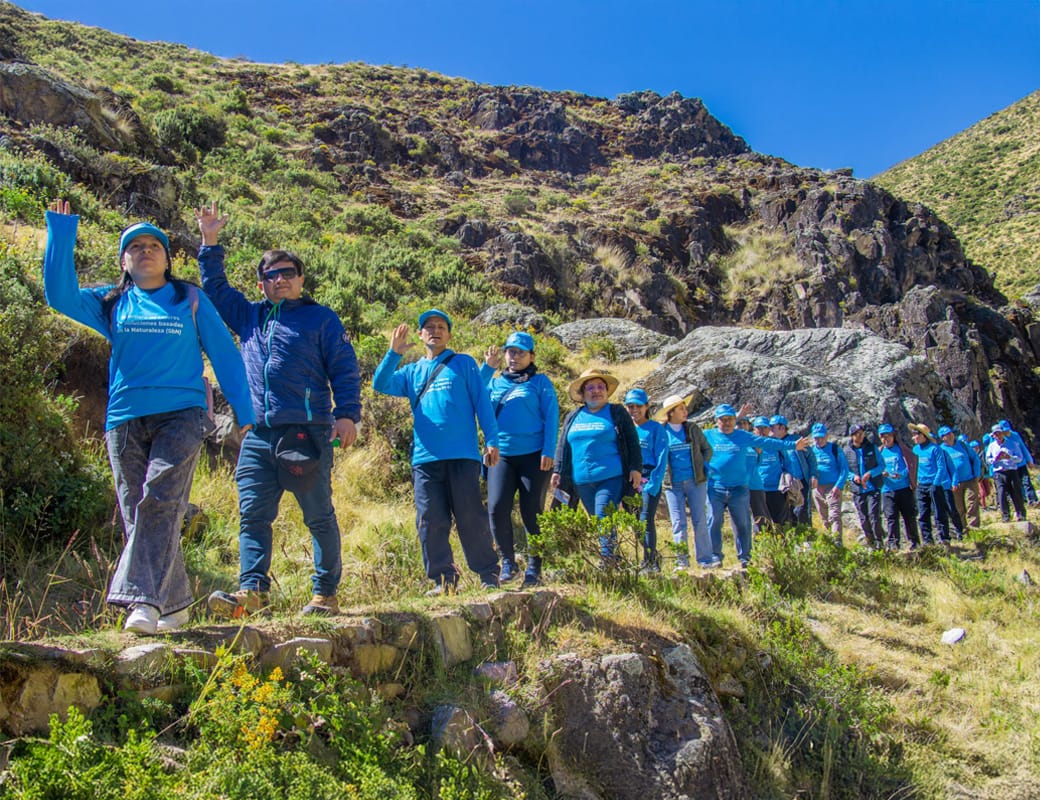
Agroforestry has emerged as a key solution for mitigating these impacts. By integrating trees into agricultural systems, this approach helps restore ecosystems, improve water retention, and strengthen the resilience of local communities to the adverse effects of climate change.
In addition, agroforestry has the potential to reduce soil erosion, improve water quality, and increase water availability during the dry season.
In Huarochirí, with its rugged terrain and diverse climatic conditions, the implementation of agroforestry projects should incorporate both native and introduced tree species that are well adapted to local conditions and to the specific challenges of the territory.
The Climate Action Platform for Agriculture (PLACA)
In this context, the Climate Action Platform for Agriculture (PLACA), currently chaired by Peru, promotes climate change mitigation and adaptation strategies, with a particular focus on vulnerable sectors such as agriculture.
Within this framework, agroforestry stands out as a key practice for enhancing water security and agricultural resilience, while helping to mitigate the impacts of climate change.
Platforms such as PLACA play a vital role in sharing success stories and fostering dialogue on policy models that have proven effective in Peru—particularly in the Santa Eulalia sub-watershed—and that can be adapted and replicated in other regions of the world to strengthen agricultural resilience and sustainable water management.

Call to Action
Agroforestry has emerged as a key strategy for strengthening sustainable water management while enhancing agricultural productivity. …particularly in vulnerable regions such as the Santa Eulalia sub-watershed. Public policies that promote agroforestry practices, supported by national and international organizations, play a crucial role in strengthening the resilience of rural farming communities to the impacts of climate change.
However, the success of these initiatives will depend on a collaborative approach involving governments, local communities, and the private sector.
Join us in this effort by supporting, promoting, and actively participating in the sustainable management of water and land, helping ensure that future generations inherit a more resilient, productive, and sustainable environment.

