





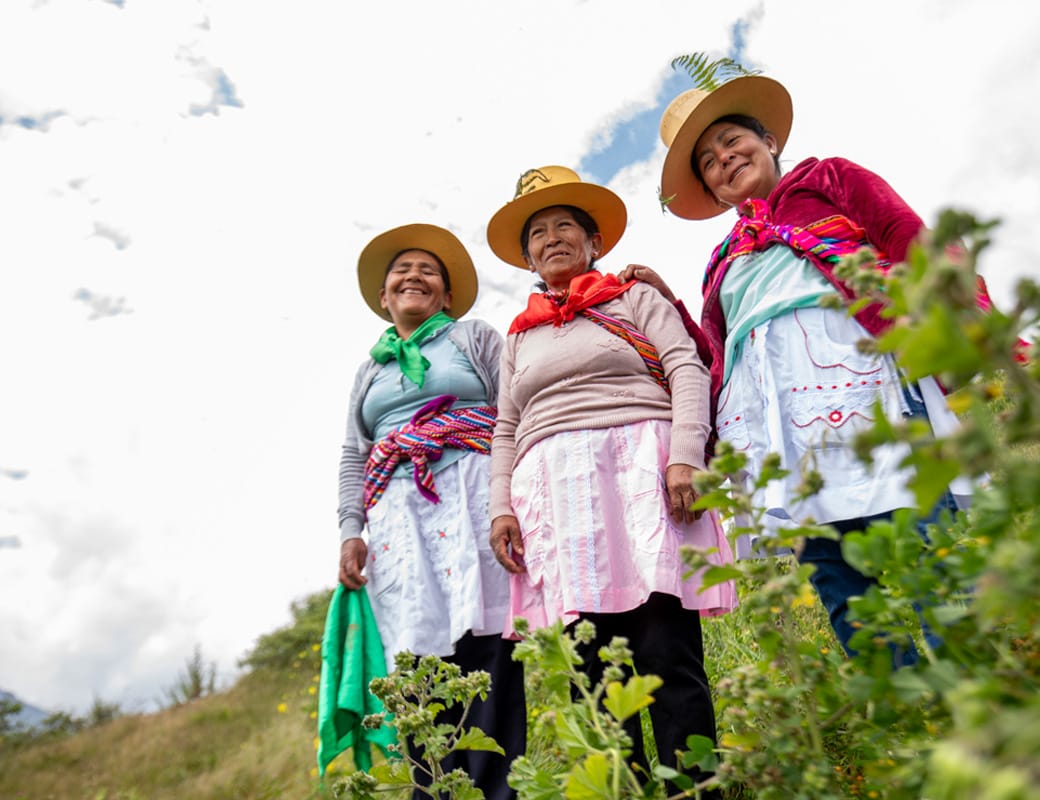
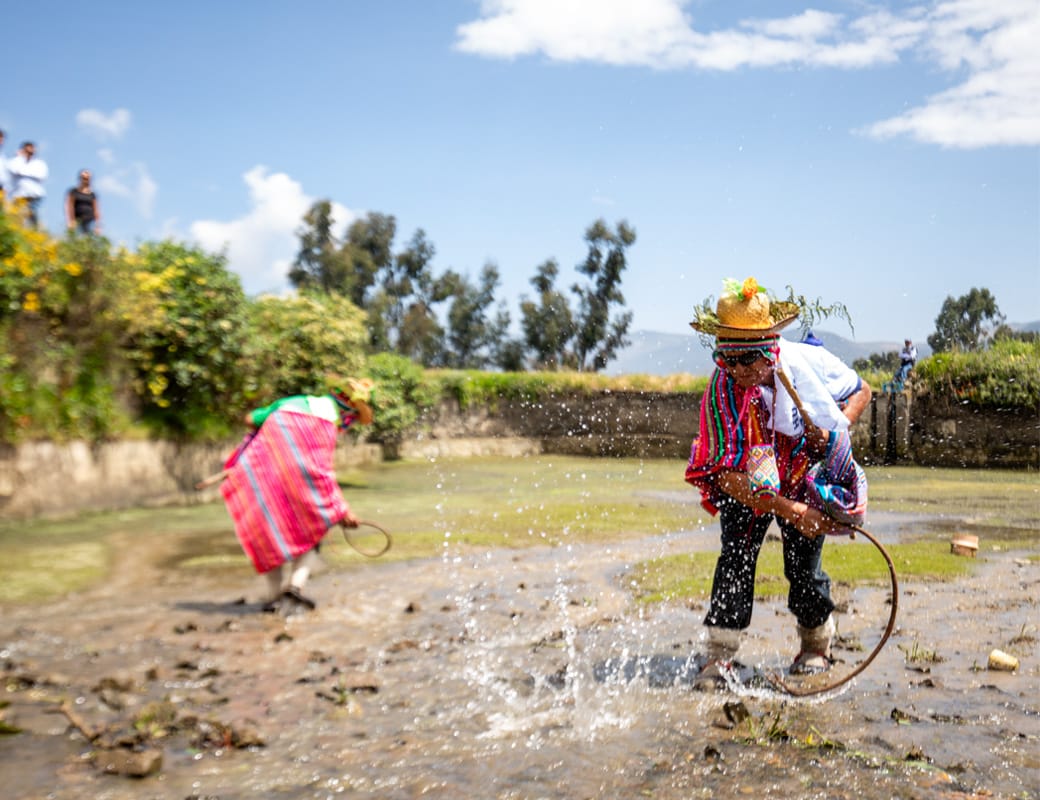
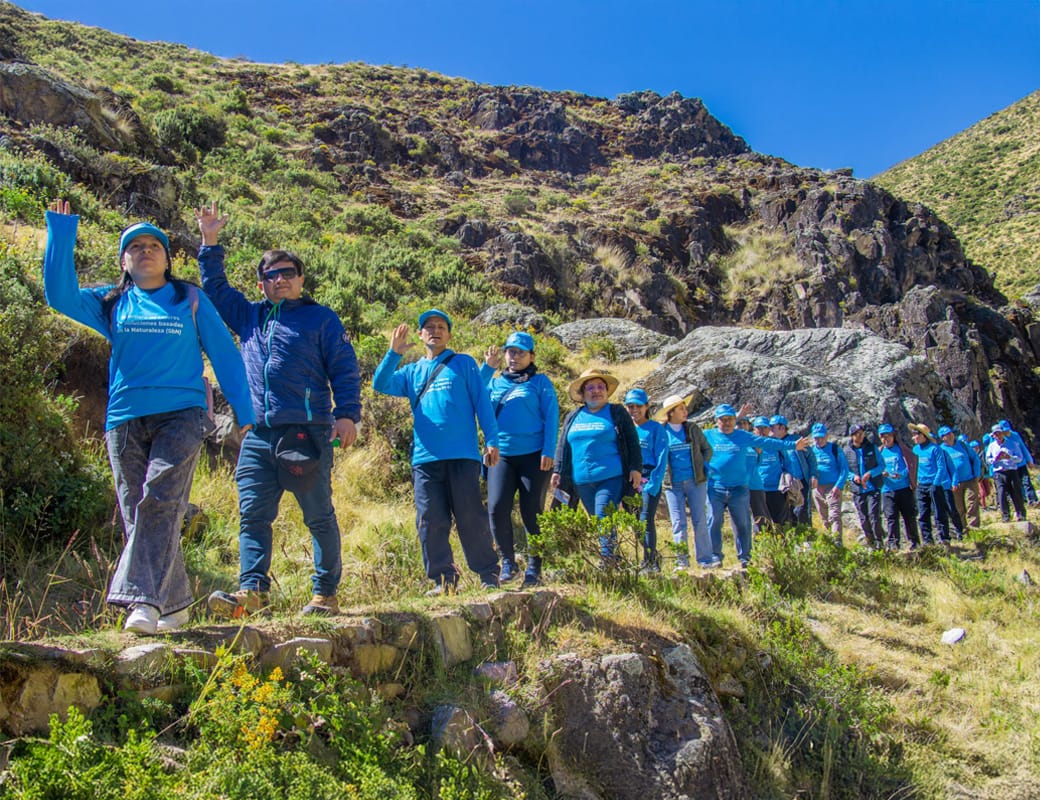
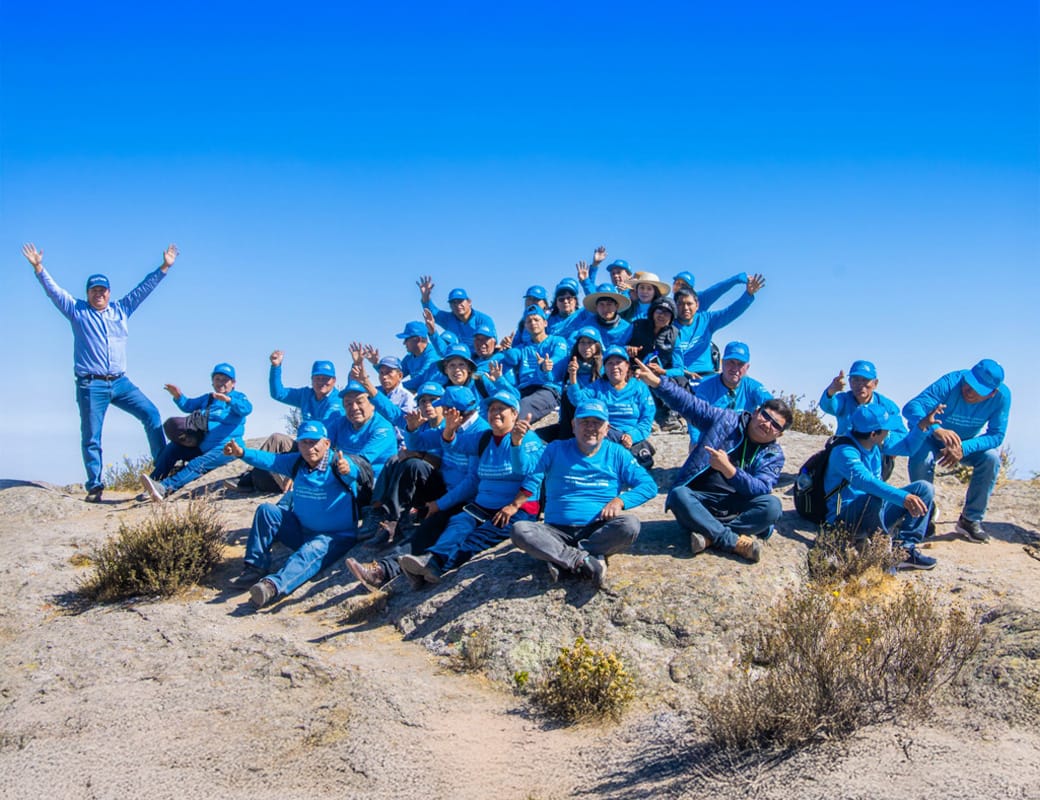


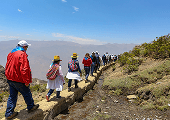
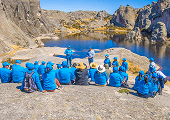

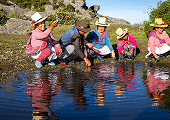


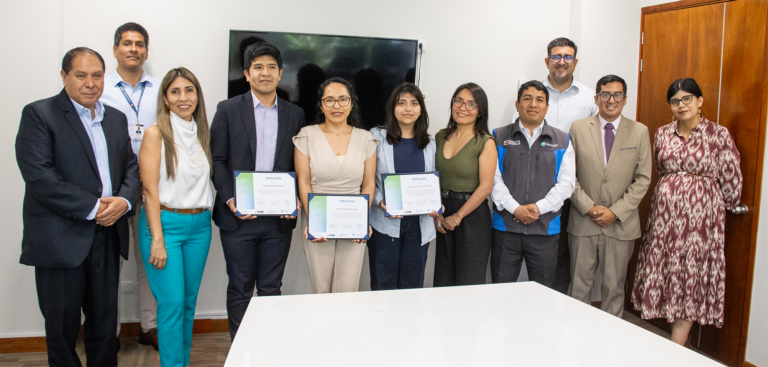


Today, rural farming communities work in an organized manner to maintain and provide timely care for Nature-Based Solutions (NbS) projects focused on water sowing and harvesting, under the leadership of their local authorities and in coordination with Water Resources Committees. These efforts rely on the active participation of community members, as well as the collaborative support of the communities, local municipalities, and community support committees.
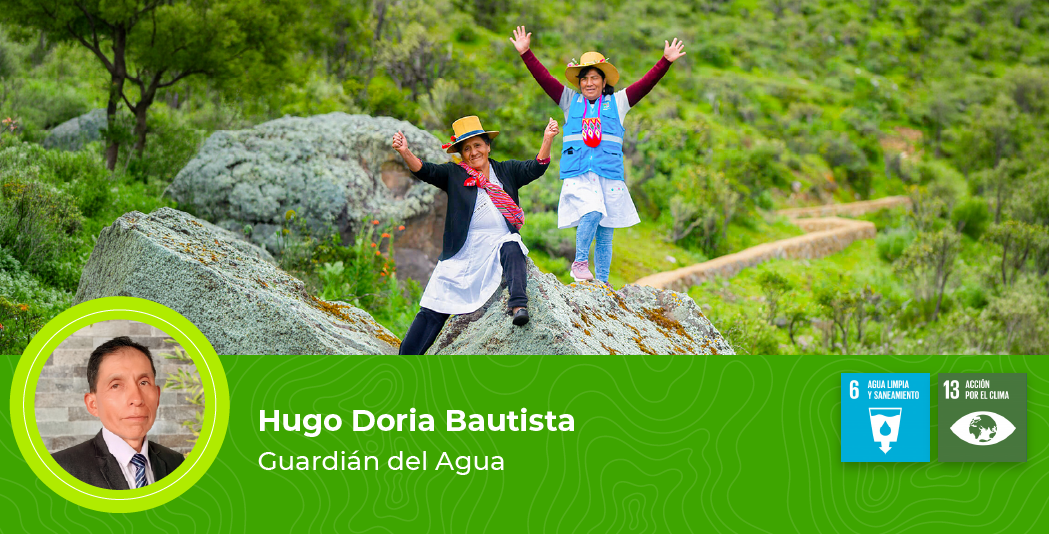
Today, community members have become dedicated guardians of water by conviction. It is a conscious commitment that each individual embraces through an understanding of their role in protecting this vital resource.Recognizing the realities they face—and understanding that even small actions can make a difference—strengthens both water availability and collective action. Caring for water is no longer seen as an obligation, but as a necessity, becoming an integral part of everyday life.
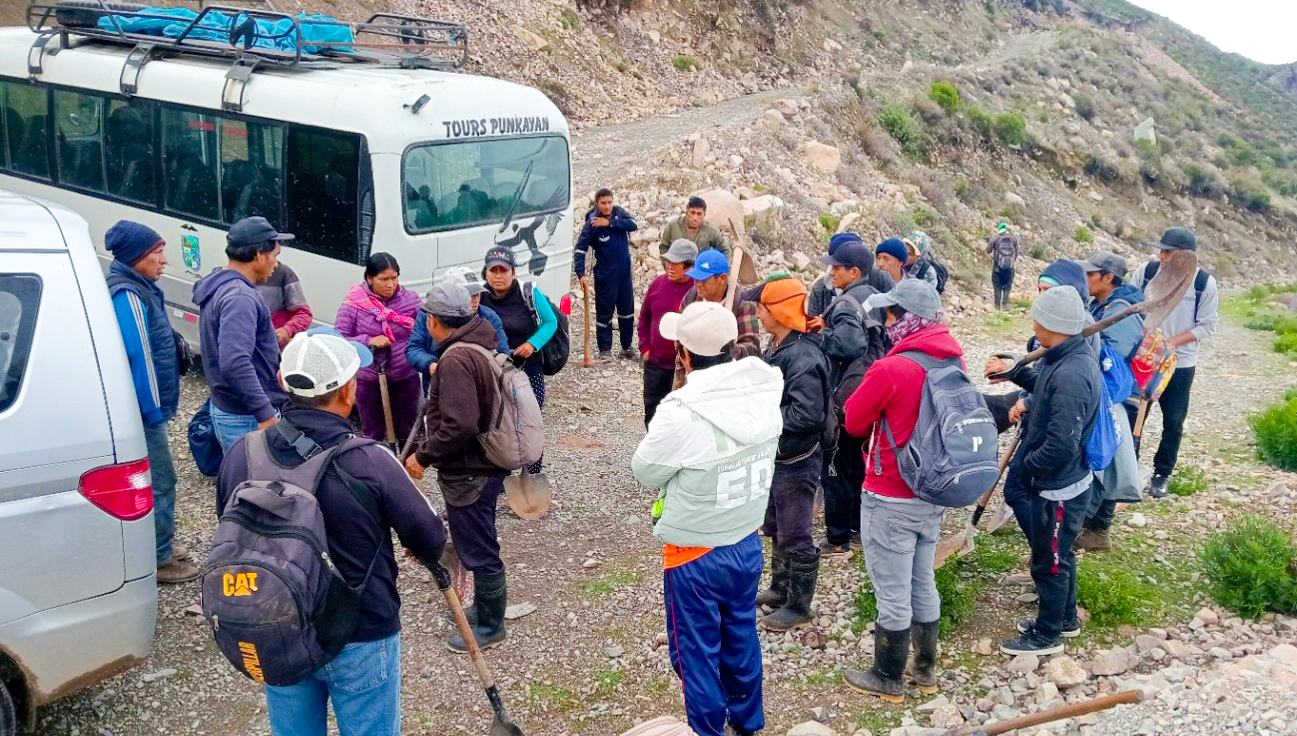
Water Security and Ecosystem Conservation
Working together, rural farming communities restore qochas and amunas, contributing directly to water security.
These restoration efforts have become a priority for sustaining local livelihoods while continuously strengthening agriculture and livestock farming.
Families are increasingly recognizing their responsibility to manage water resources efficiently and sustainably. As part of this commitment, more farmers are adopting drip and sprinkler irrigation systems, which significantly reduce water consumption and losses, gradually replacing traditional flood irrigation.
These practices help minimize environmental impacts while safeguarding water availability for future generations. Achieving this requires a range of strategies, including improving water-use efficiency and protecting water quality.
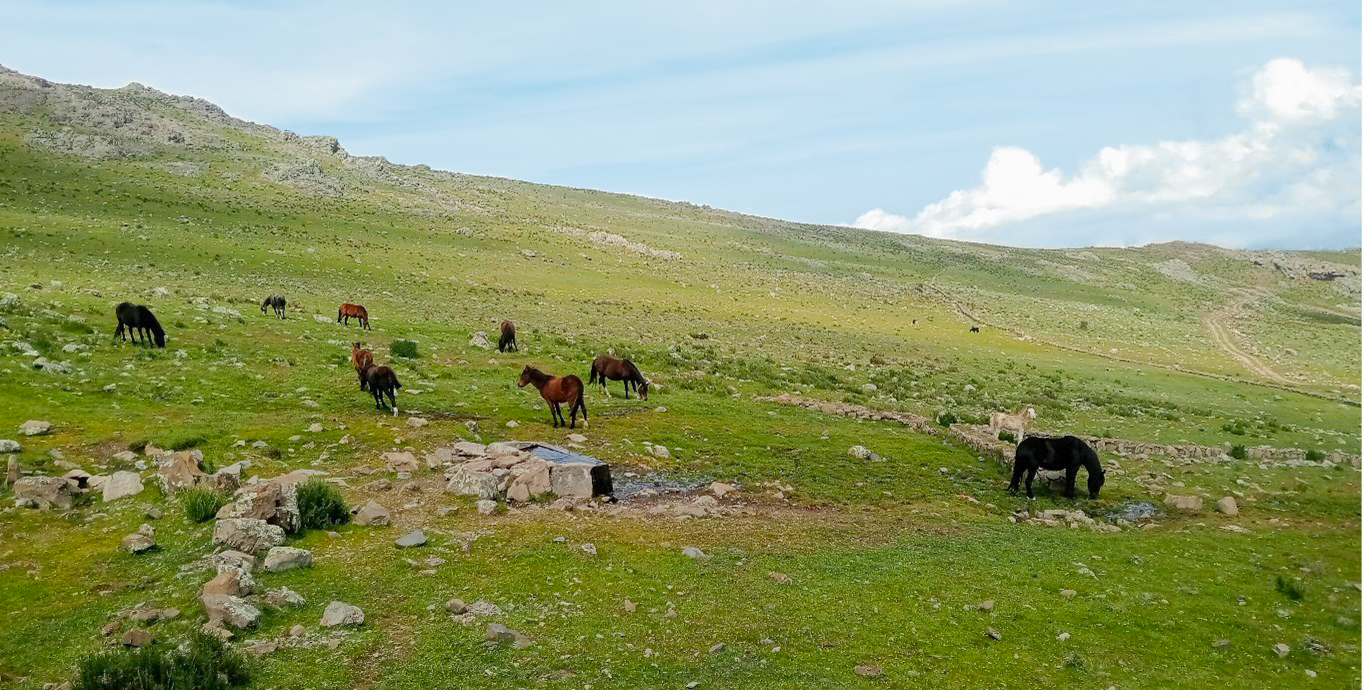
In addition, families living in the Santa Eulalia sub-watershed make use of natural grasslands to raise cattle, sheep, and small livestock such as guinea pigs and rabbits.
They also operate a community-based ecohydrological monitoring system, through which they collect data on climatic conditions and water availability across the watershed throughout the different seasons of the year.
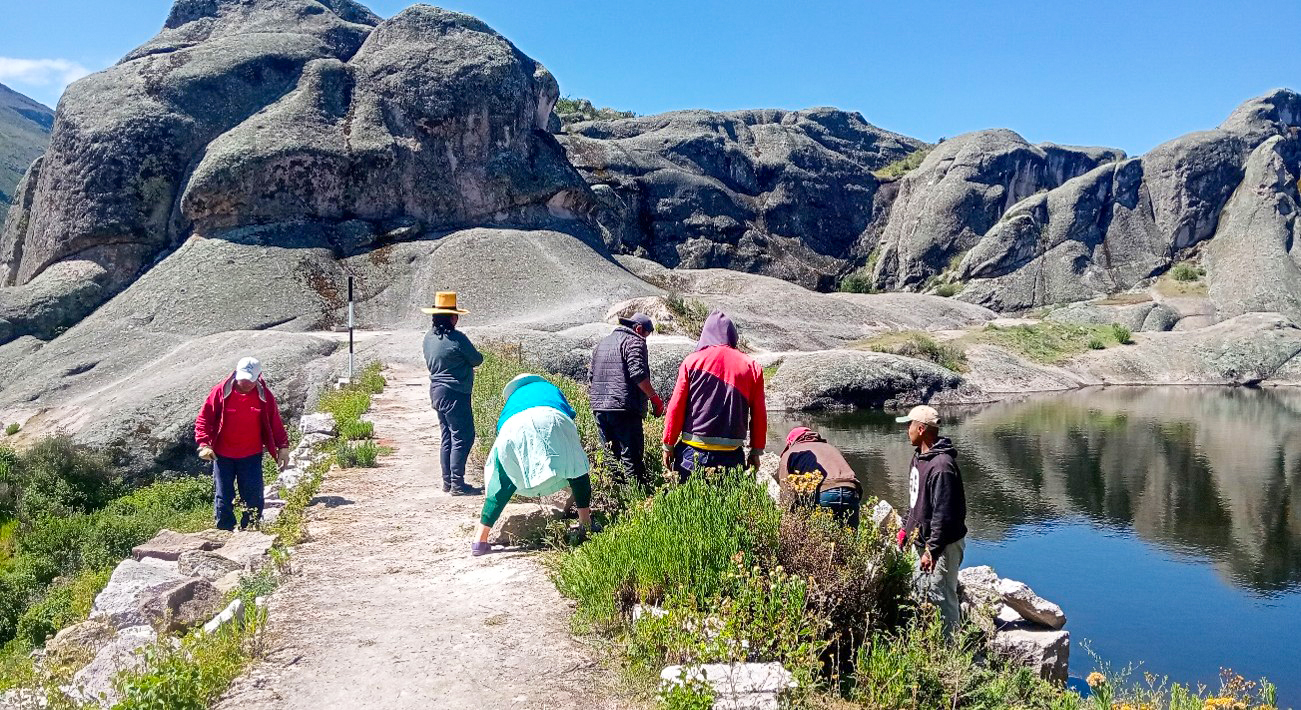
We are making steady progress in conserving biodiversity and protecting ecosystems by strengthening natural infrastructure and implementing Nature-Based Solutions (NbS).
“Our quality of life is improving!” is a sentiment frequently shared by community members. Through these conversations, they reaffirm that water is essential for sustaining livestock farming and agriculture—the very activities that provide their families with a livelihood.
Local communities play a coordinated role in promoting environmental stewardship. Their close relationship with natural resources gives them a deep understanding of their surroundings, making their knowledge essential for advancing sustainable practices.
In many cases, they are also the first to detect negative changes in biodiversity and ecosystem health, enabling timely action to protect these vital resources.
In addition, local communities serve as natural stewards of their territories, promoting the responsible use and conservation of their natural resources.
This creates a strong foundation for implementing strategies that engage entire communities in both environmental monitoring and ecosystem restoration, strengthening the connection between people and nature.
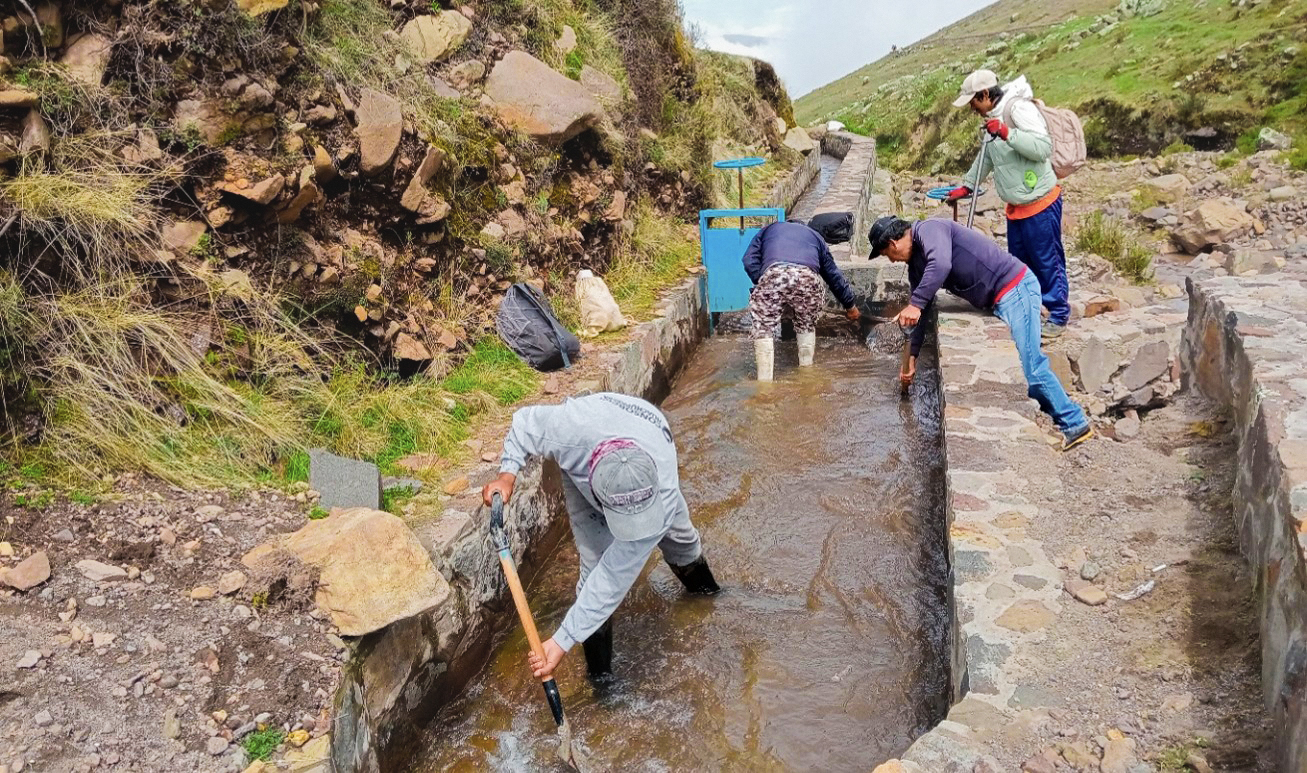
Community members are increasingly recognizing the importance of conserving ecosystems and global biodiversity. Their active participation and commitment to working together demonstrate that, through coordinated action and a shared vision, it is possible to address future challenges collectively.
Today, we can also say that communities have become increasingly aware of the impacts of environmental pollution. Among the most pressing challenges facing our society are the deterioration of air, water, and soil quality, all of which are affected by a wide range of human activities. These impacts have serious consequences for both human health and the environment.
These efforts are supported by the local municipality, which manages solid waste collection through public waste bins and dedicated sanitation personnel. Equally important is the contribution of households, whose active participation plays a vital role in maintaining clean and healthy communities.
#CadaGotaCuenta

