




Our objective


Improve access to drinking water for two schools in the Santa Eulalia district.

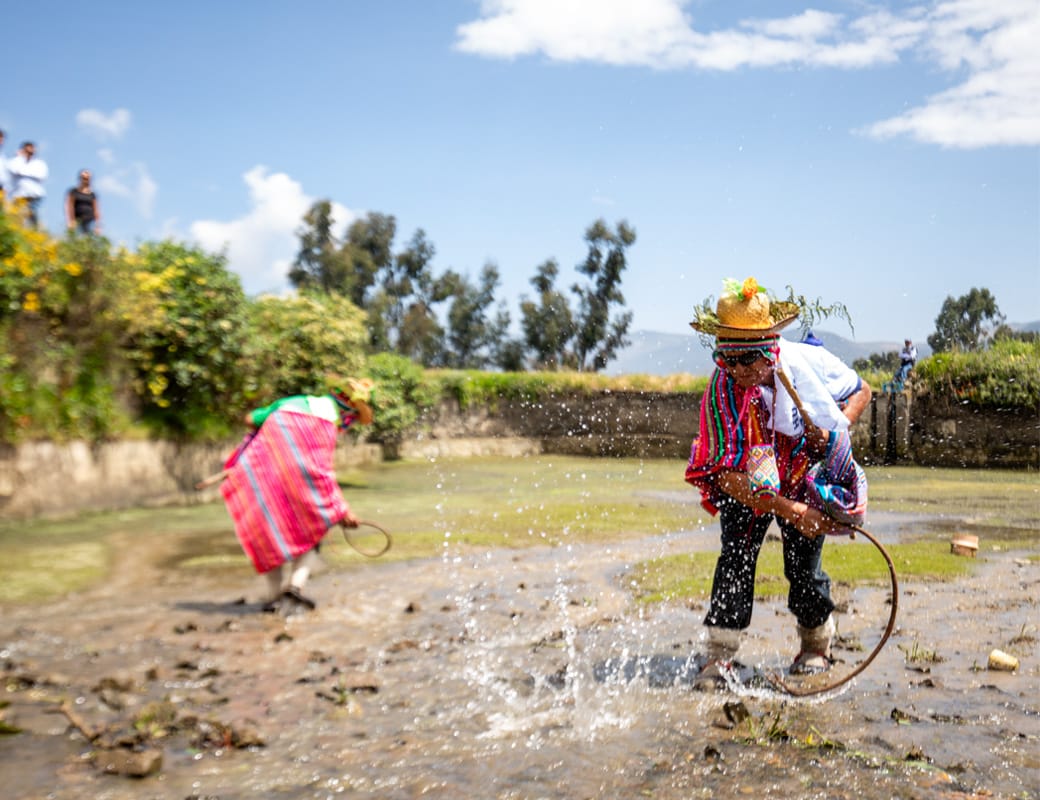
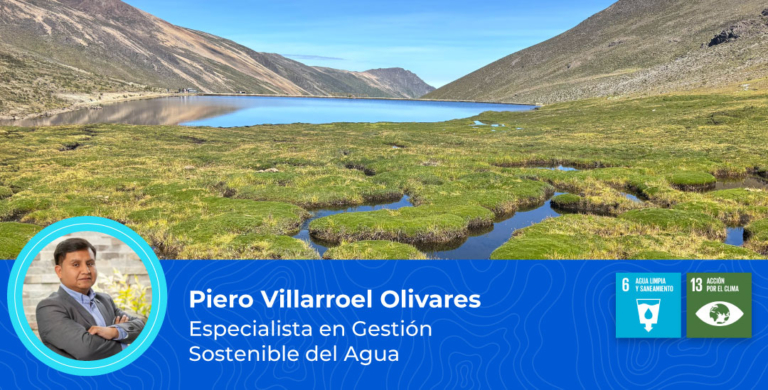
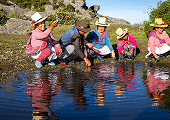
We rehabilitate amunas, qochas and bofedales that recharge water to the subsoil, strengthening communities and water reserves.
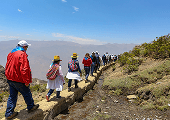
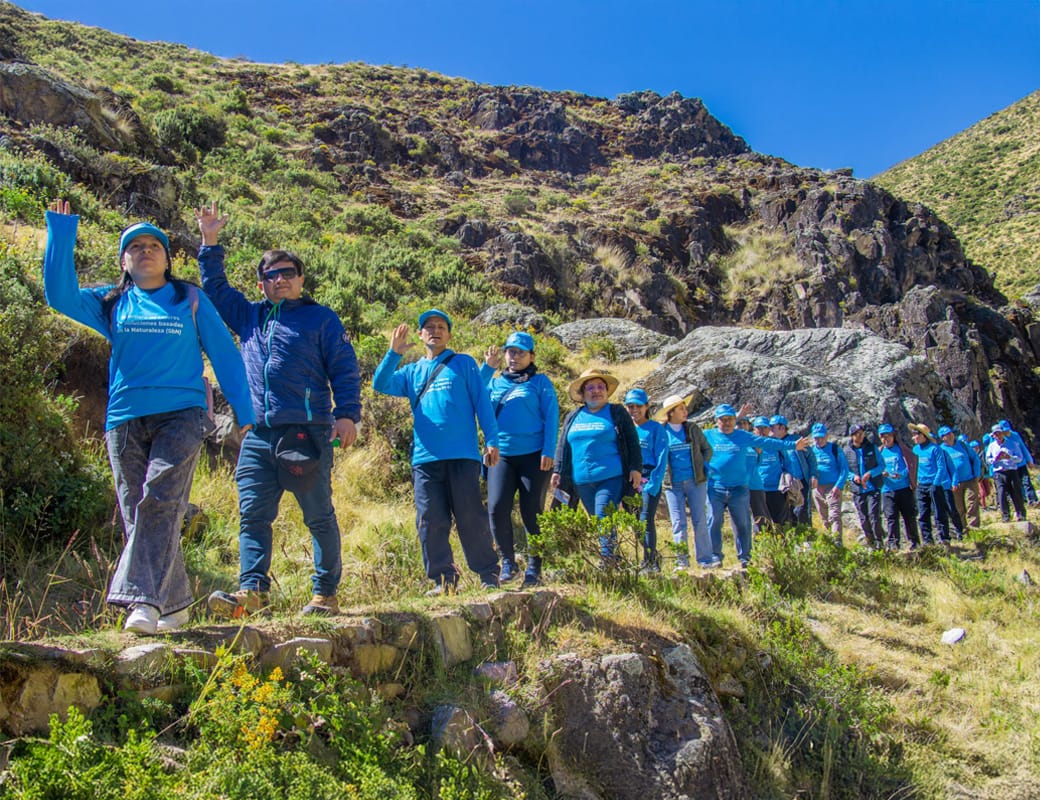
We train leaders and young people committed to water, promoting programs that educate, inspire and promote sustainability.
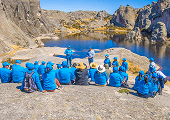
We strengthen food security with technified irrigation and sustainable practices that care for the environment and ecosystems.

We develop projects that provide safe, quality water, improving health and reducing water gaps.
Political, social, economic and administrative processes and structures used to develop, regulate and manage water resources.
 Back
Back
Thanks to the joint work with our international ally Agua Segura (Argentina), we implemented the Access to Water, Sanitation and Hygiene project, an initiative that contributes to reducing the risk of school children suffering from gastrointestinal diseases caused by consuming water with a high concentration of microorganisms.
The project was implemented in the schools of I.E. 20825 Túpac Amaru II and I.E. CEBE Divino Pastor; where we conducted an on-site evaluation of the water quality of their drinking fountains. Based on the results, we installed drinking fountains with activated carbon filters and ultraviolet light, and improved the basic drinking water infrastructure of each school.
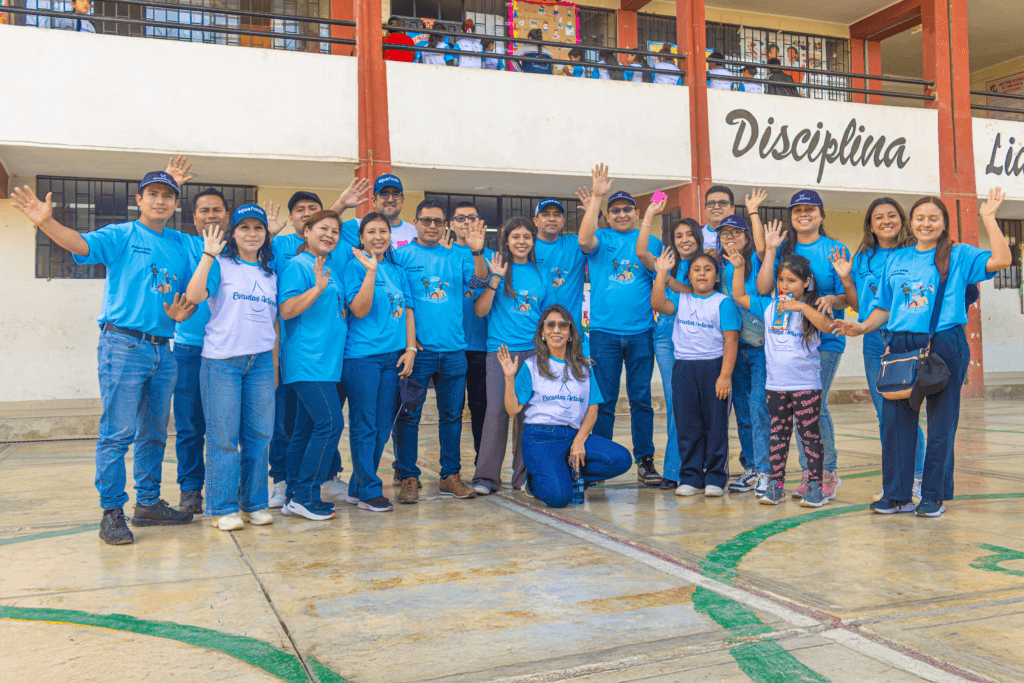
We also carried out the educational campaigns Conoce tu agua (Know your water) and Conoce tu filtro (Know your filter), aimed at schoolchildren and teachers. We also organized the Water Fair, a participatory space that included the presence of Agua Segura and volunteer activities from the private sector.
Improve access to drinking water for two schools in the Santa Eulalia district.