




Our objective


Improve access to drinking water for at least 250 children in the Santa Eulalia district.

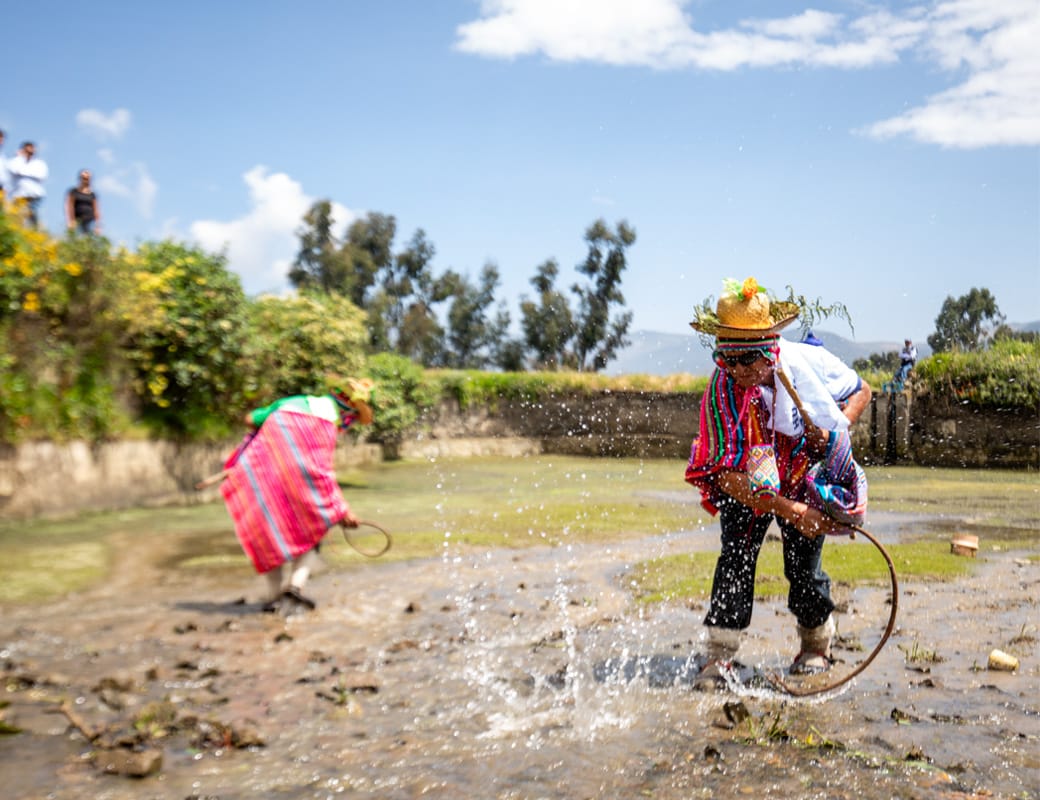
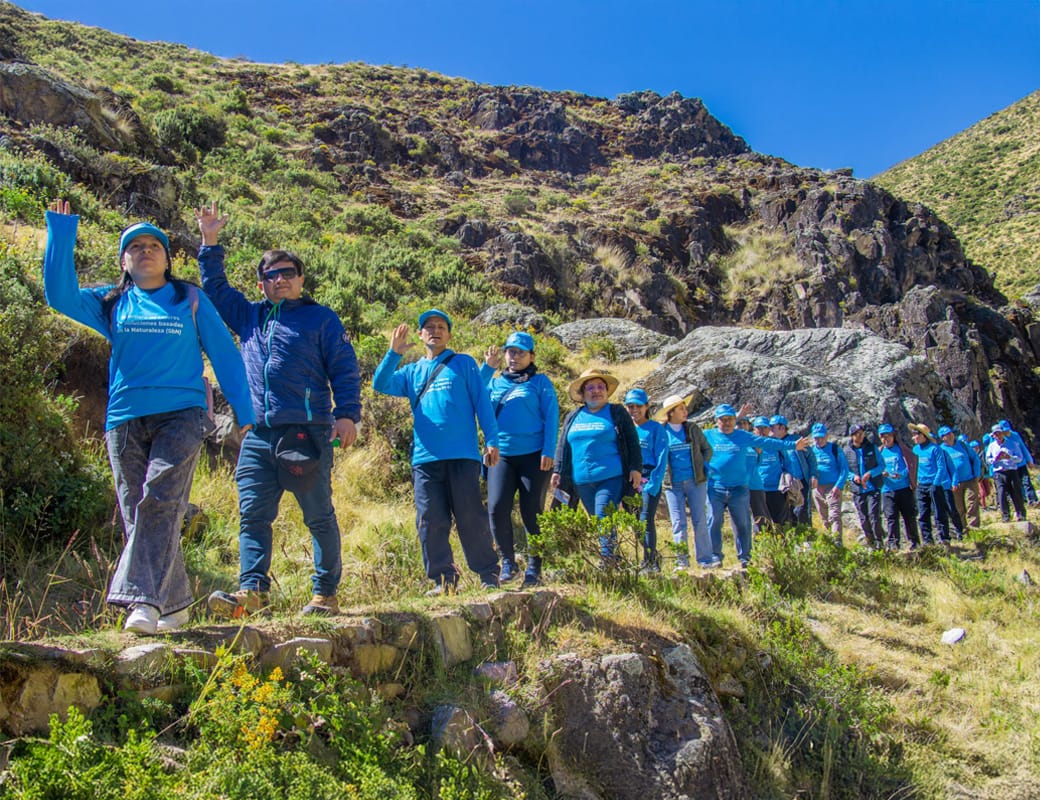
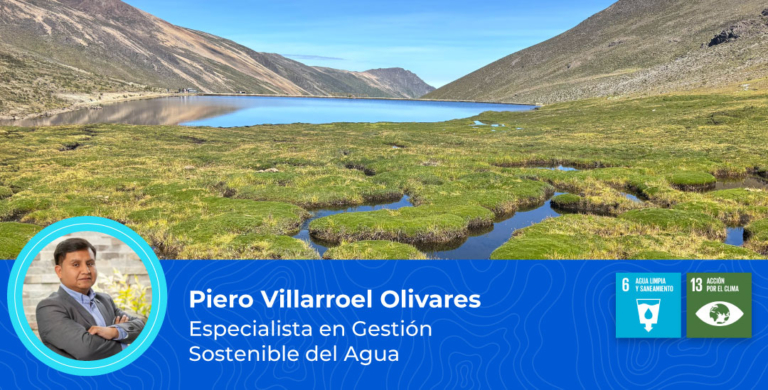
We rehabilitate amunas, qochas and bofedales that recharge water to the subsoil, strengthening communities and water reserves.
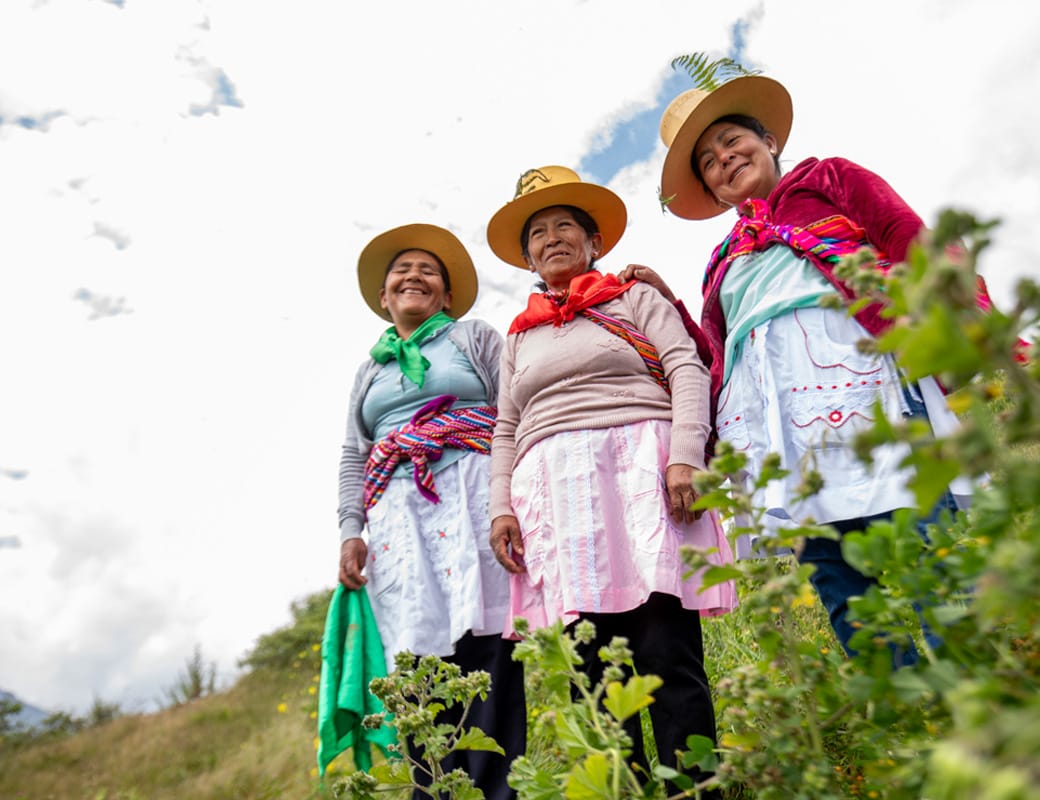
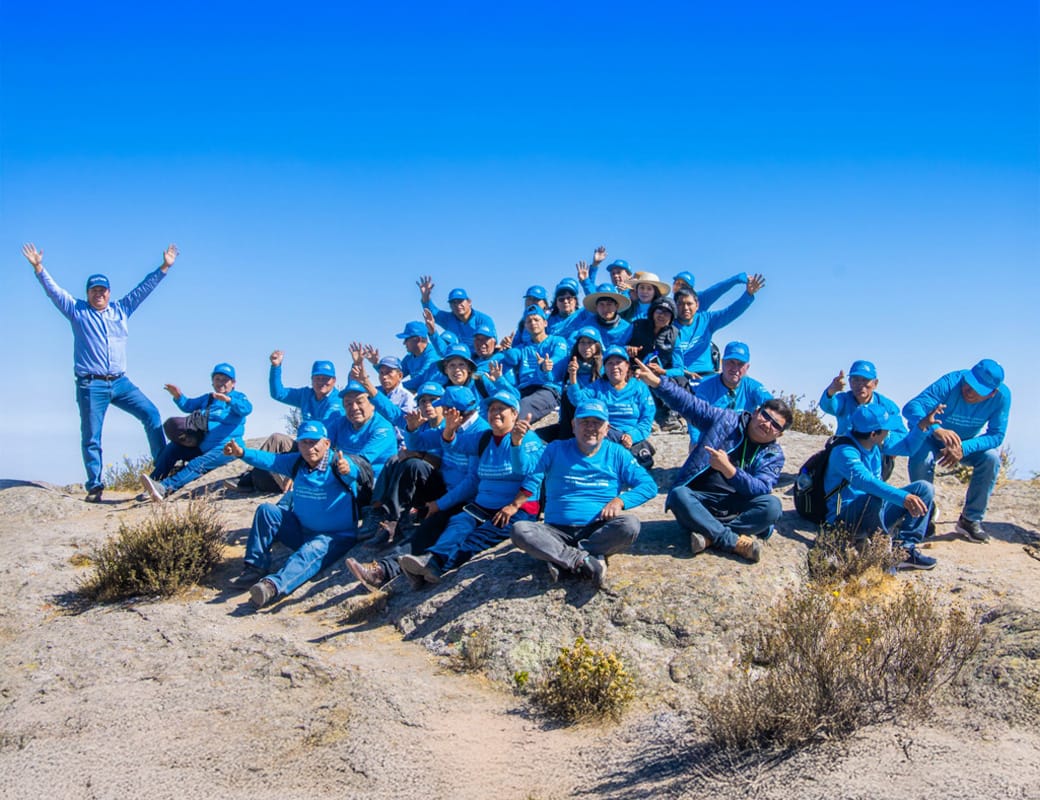
We train leaders and young people committed to water, promoting programs that educate, inspire and promote sustainability.
We strengthen food security with technified irrigation and sustainable practices that care for the environment and ecosystems.

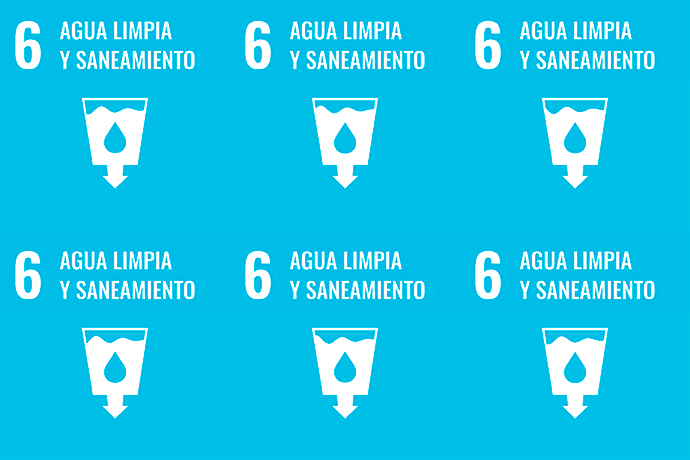
We develop projects that provide safe, quality water, improving health and reducing water gaps.
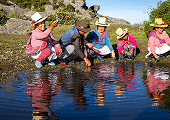
Political, social, economic and administrative processes and structures used to develop, regulate and manage water resources.
 Back
Back
Thanks to the cooperation with South American institutions, Agua Segura (Argentina) and Piamerica S.A. (Uruguay), we have been developing the Community Project, access to safe water, to join the country’s efforts to contribute to the reduction of the risk of gastrointestinal diseases among school children due to the consumption of contaminated water with a high load of microorganisms coming from the tap of the I.E.P. Simón Bolívar and the Educational Institution N° 20605 Virgen del Carmen.
In this regard, the project will include on-site measurement of the quality of drinking water for human consumption from school taps, and based on the results, microbiological filters will be designed and implemented, in addition to improving the drinking water infrastructure. We will also develop 2 awareness campaigns that will address the topics Know your water and Know your filter to raise awareness about access to safe water.
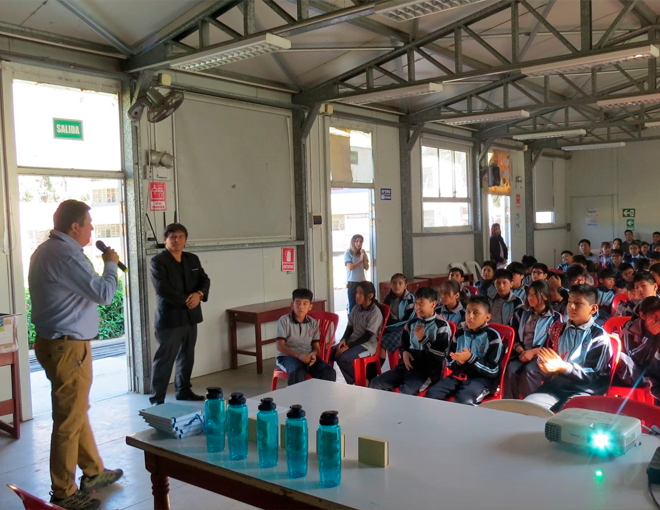
Improve access to drinking water for at least 250 children in the Santa Eulalia district.