




Our objective


Train and advise community and municipal leaders in the formulation and evaluation of public investment projects in natural infrastructure applied to the environment and agriculture sector.

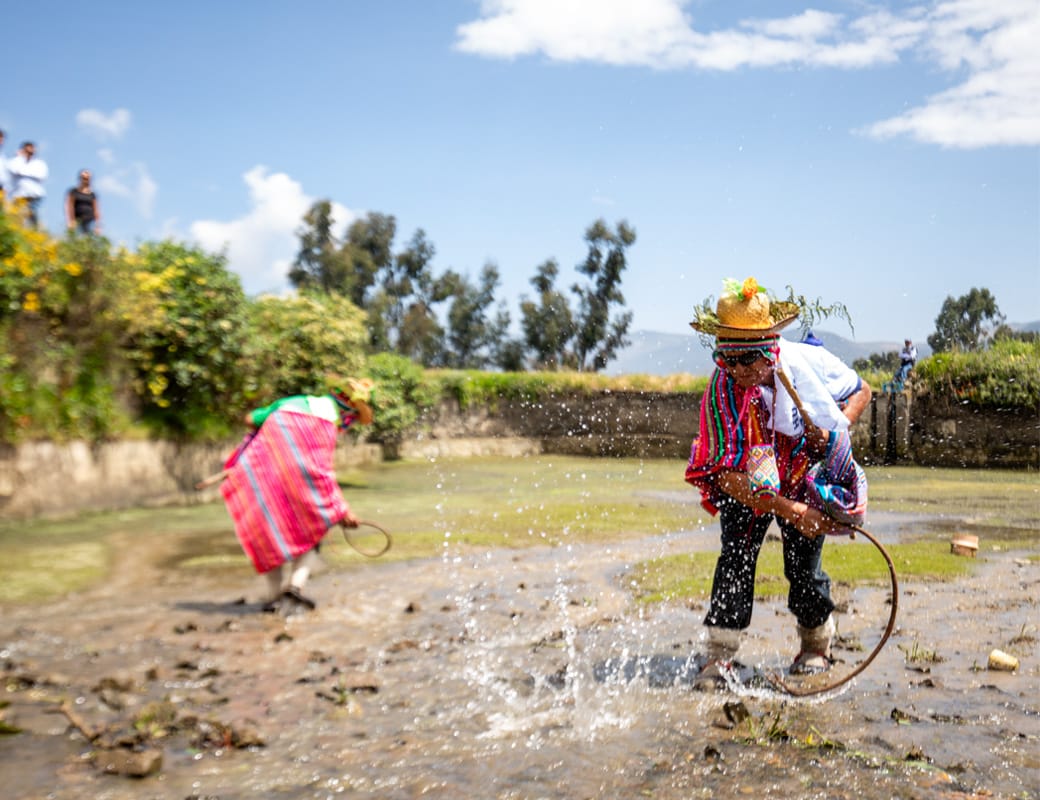
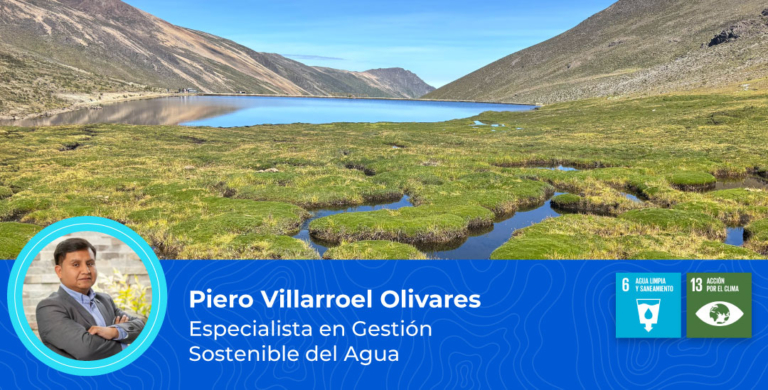
We rehabilitate amunas, qochas and bofedales that recharge water to the subsoil, strengthening communities and water reserves.
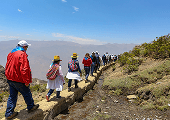
We train leaders and young people committed to water, promoting programs that educate, inspire and promote sustainability.
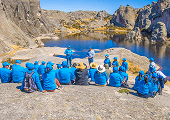
We strengthen food security with technified irrigation and sustainable practices that care for the environment and ecosystems.

We develop projects that provide safe, quality water, improving health and reducing water gaps.
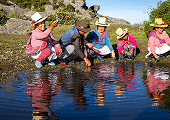
Political, social, economic and administrative processes and structures used to develop, regulate and manage water resources.
 Back
Back
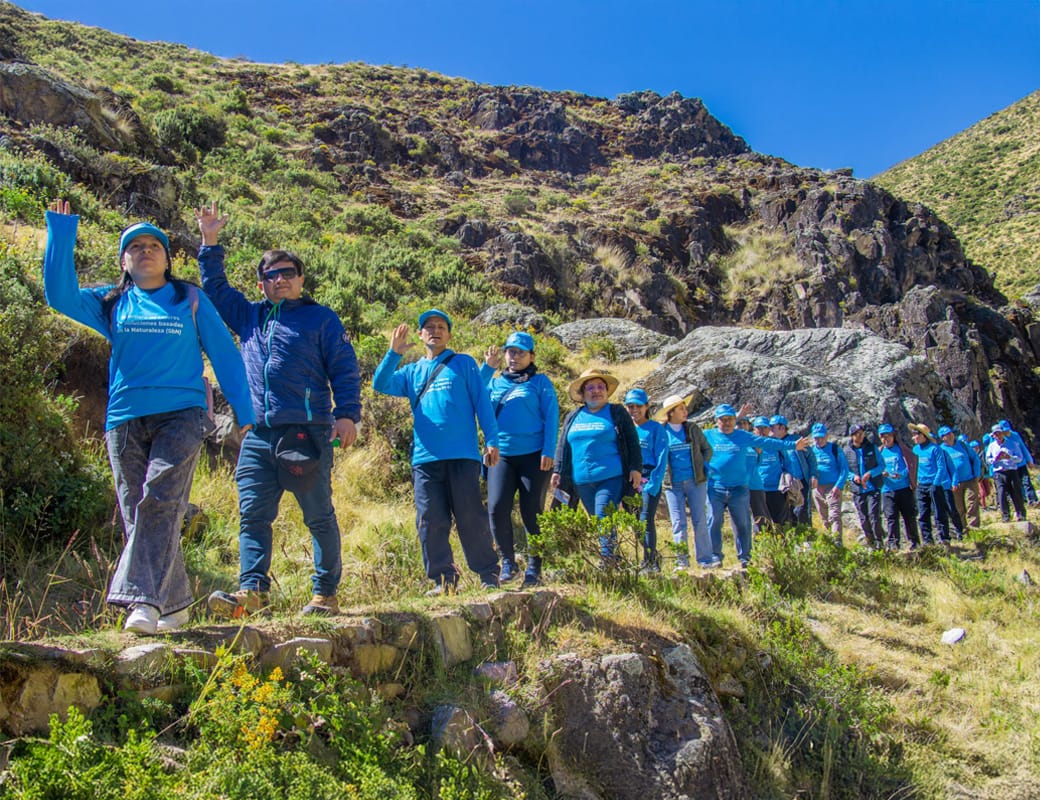
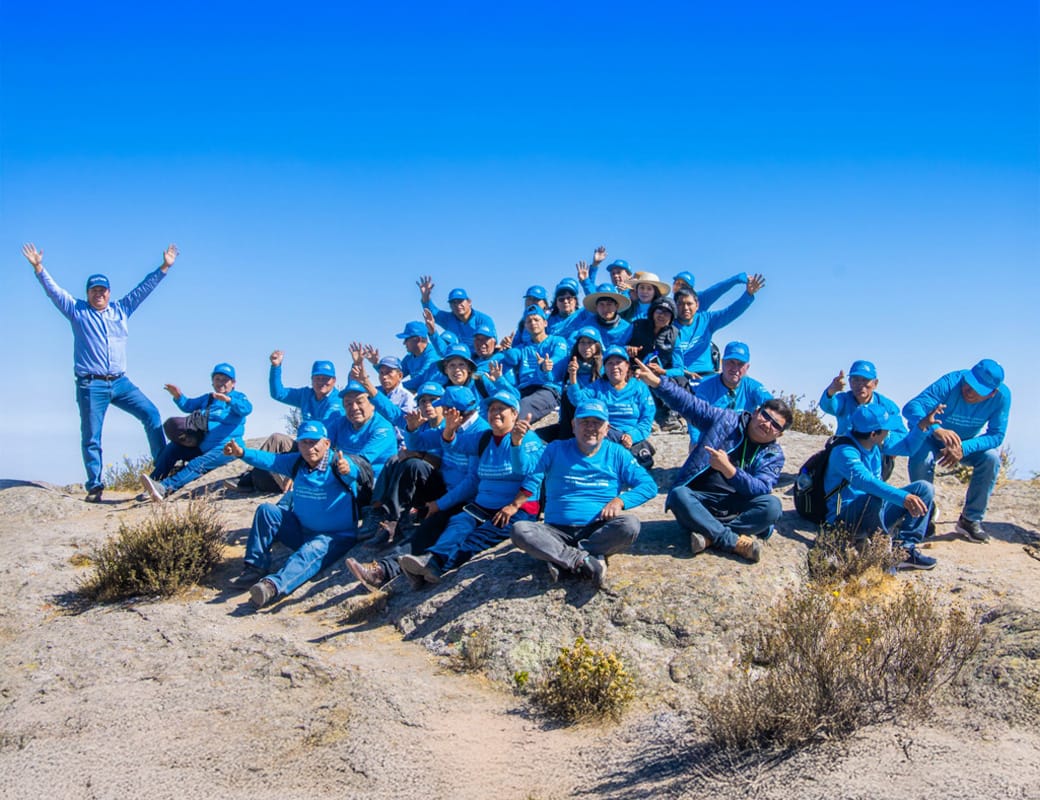
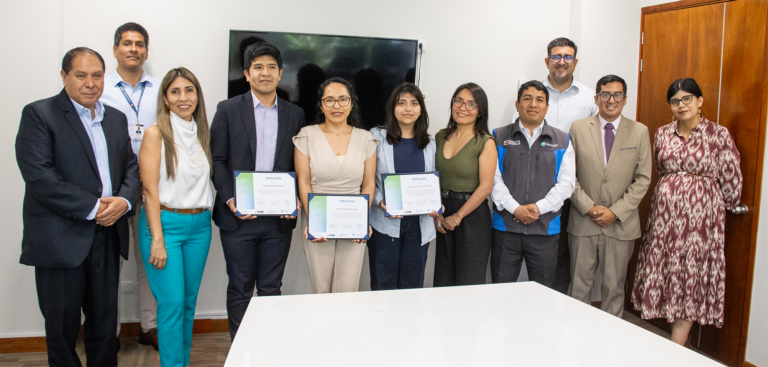
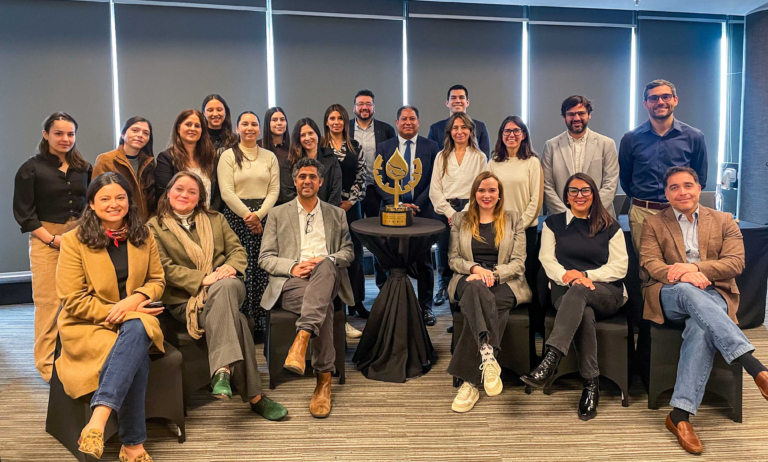
Together with cbc Peru , for the 4th consecutive year we will develop the Public Investment Seedbed Program. The program is developed by applying a learning methodology that involves the active participation of community and municipal leaders to generate project ideas that address their water insecurity and climate vulnerability.
This involvement is strengthened during workshops and with the support of specialists. As a final product, the initial idea is conceptualized in a project idea form that is subsequently registered in the National System of Multiannual Programming and Investment Management (invierte.pe) in coordination with the Multiannual Investment Programming Office (OPMI) of the district municipalities.
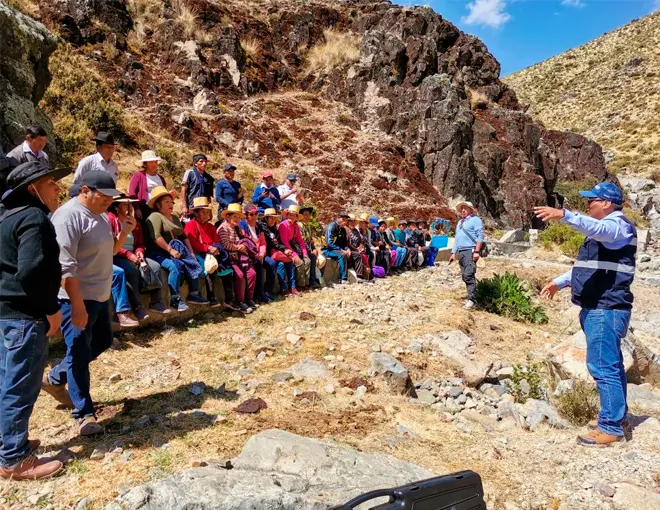
Train and advise community and municipal leaders in the formulation and evaluation of public investment projects in natural infrastructure applied to the environment and agriculture sector.