




Our objective


Improve agricultural productivity and ensure food security for the community.

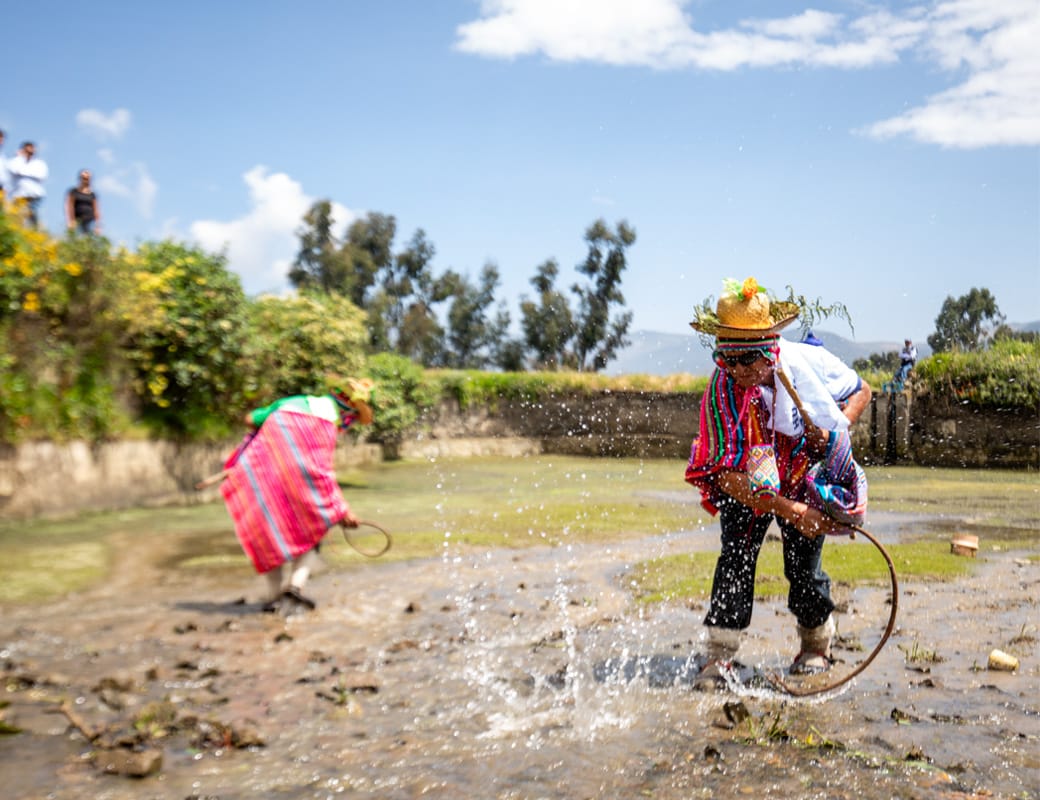
We rehabilitate amunas, qochas and bofedales that recharge water to the subsoil, strengthening communities and water reserves.
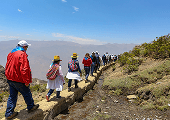
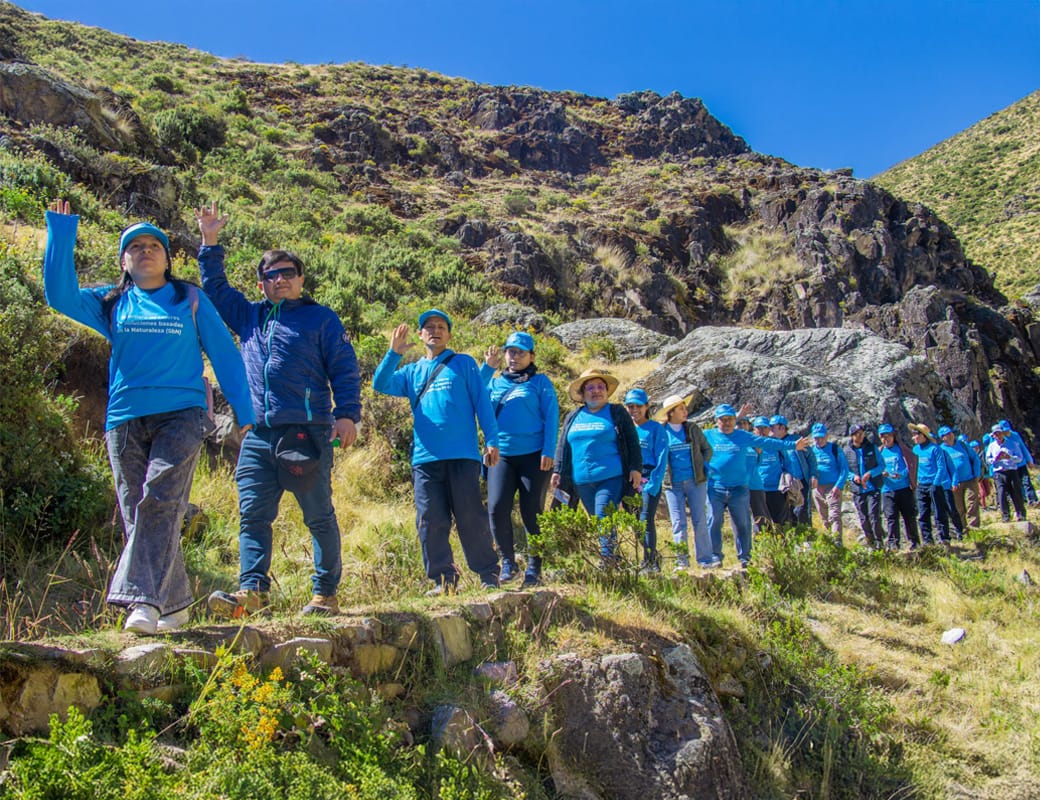
We train leaders and young people committed to water, promoting programs that educate, inspire and promote sustainability.
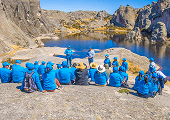
We strengthen food security with technified irrigation and sustainable practices that care for the environment and ecosystems.

We develop projects that provide safe, quality water, improving health and reducing water gaps.
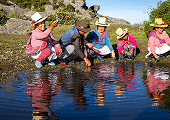
Political, social, economic and administrative processes and structures used to develop, regulate and manage water resources.
 Back
Back
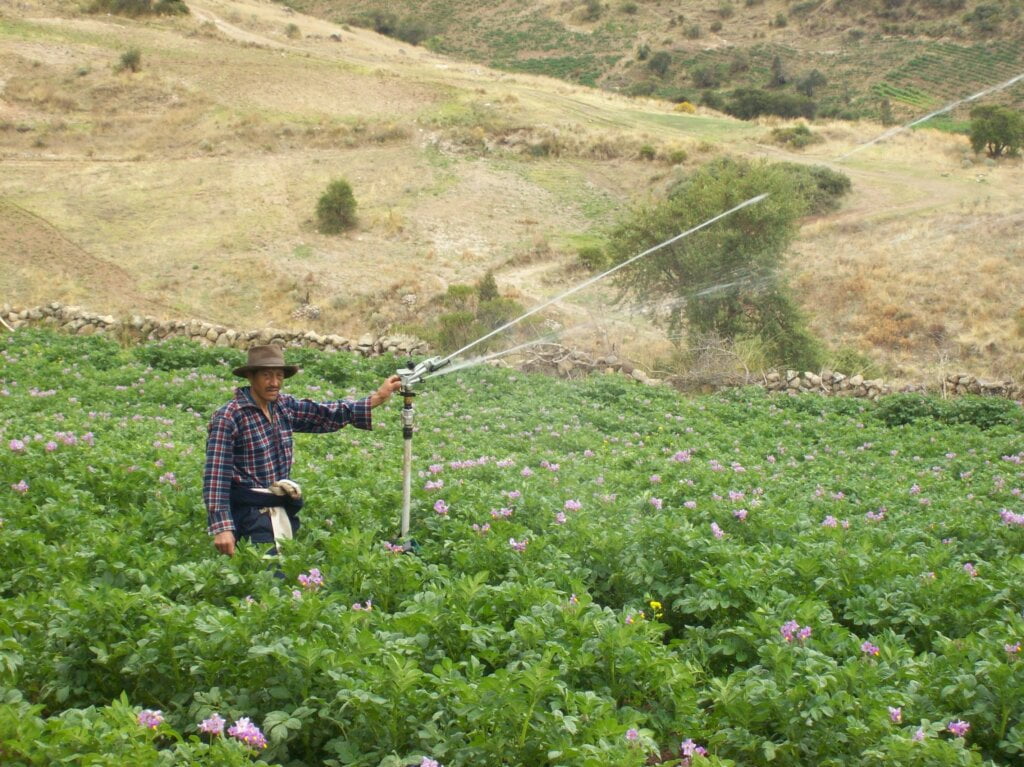
Together with Pacvo Wavin, we are moving forward with the execution of the project Capacity building with technical advice on a technified sprinkler irrigation system. This project gives continuity to the activities initiated in 2023 with the implementation of a technified irrigation system in the San Juan de Iris Peasant Community, covering 20,000m2 of communal land and training 20 farmers.
The project is structured in three components: (1) knowledge strengthening through face-to-face workshops, (2) personalized technical assistance with scheduled visits to each farmer’s plots, and (3) an internship at the Irrigation Research and Extension Center located at the Universidad Nacional Agraria La Molina, where the company Netafim will also be participating. The set of components will allow farmers to apply what they have learned both in their individual and communal plots, improving the efficiency and sustainability of their agricultural practices.
Improve agricultural productivity and ensure food security for the community.