




Our objective


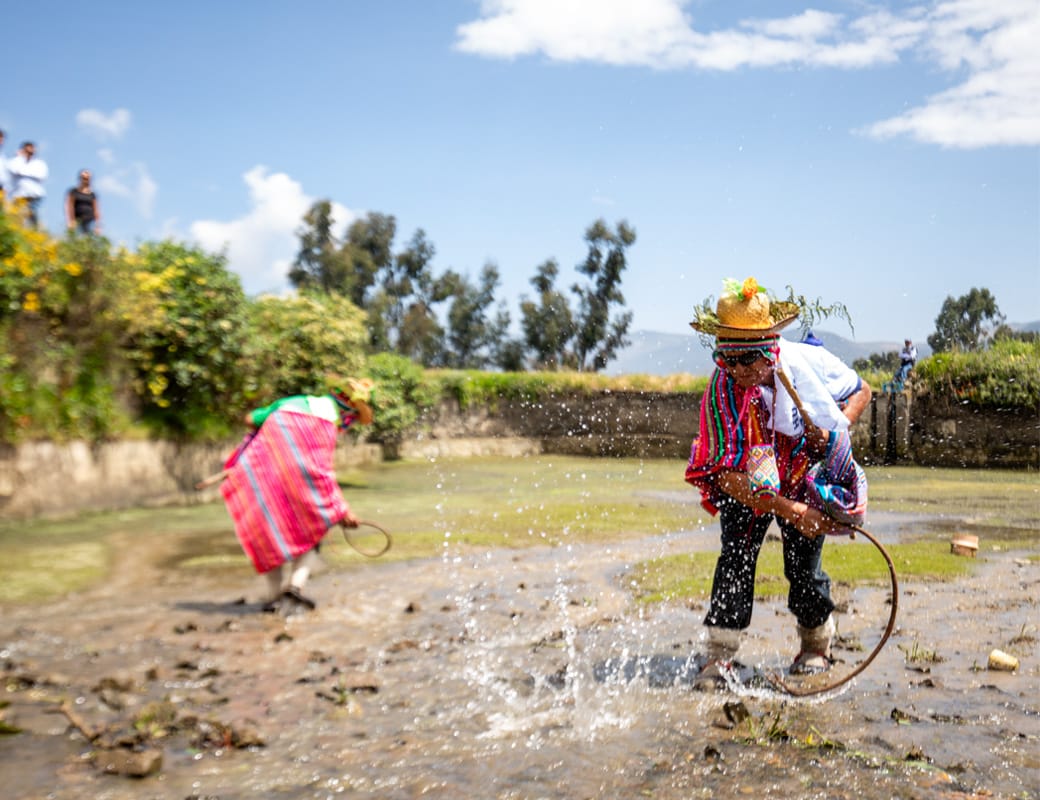
Rehabilitate 1.81 km of the infiltration channel, an ancestral technology that contributes to water security by recharging the aquifers through infiltration.

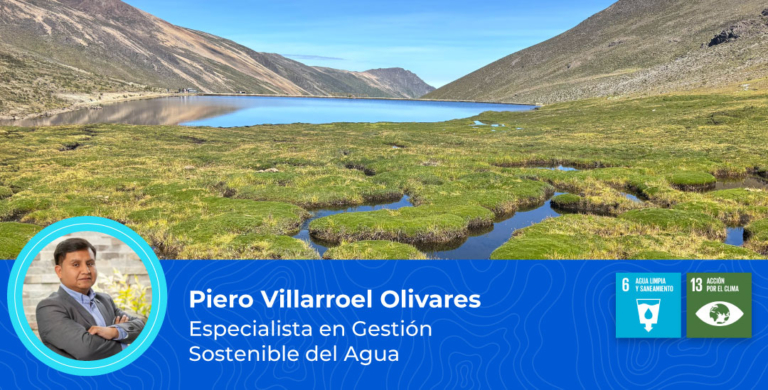
We rehabilitate amunas, qochas and bofedales that recharge water to the subsoil, strengthening communities and water reserves.
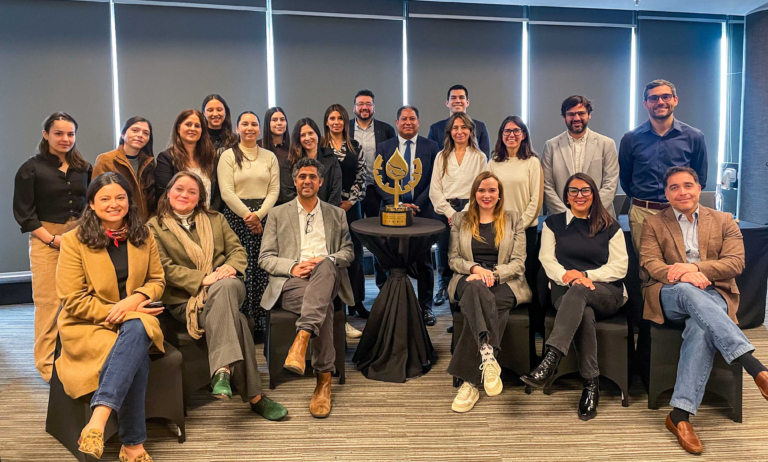
We train leaders and young people committed to water, promoting programs that educate, inspire and promote sustainability.
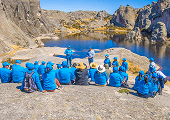
We strengthen food security with technified irrigation and sustainable practices that care for the environment and ecosystems.

We develop projects that provide safe, quality water, improving health and reducing water gaps.
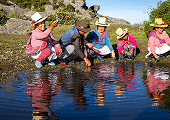
Political, social, economic and administrative processes and structures used to develop, regulate and manage water resources.
 Back
Back
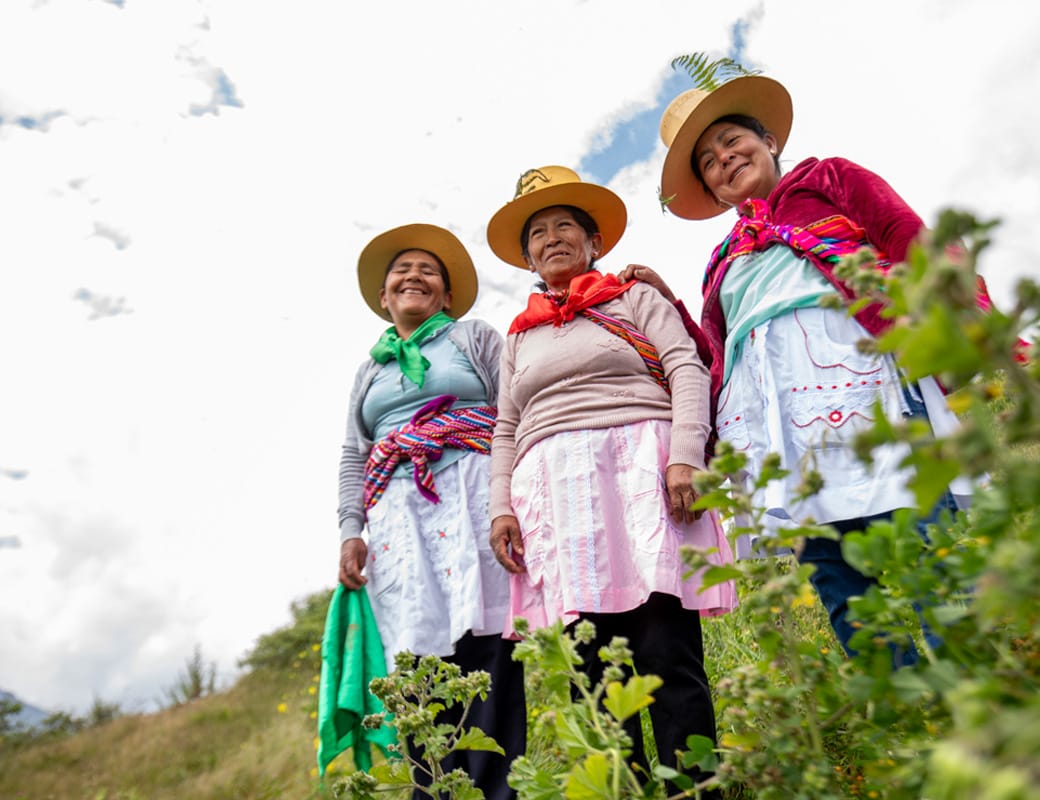
Together with Pepsico , in 2024 we will extend the implementation of a project in Nature-based Solutions to a new peasant community residing in the Santa Eulalia sub-basin. With the project we will contribute to increase the water security of the Quilcamachay-Vicas farming community and the population of Lima and Callao by recharging the local aquifers of the Quilcamachay micro-watershed. This, in turn, will generate greater water availability for the community’s economic activities and contribute to the city’s drinking water supply.
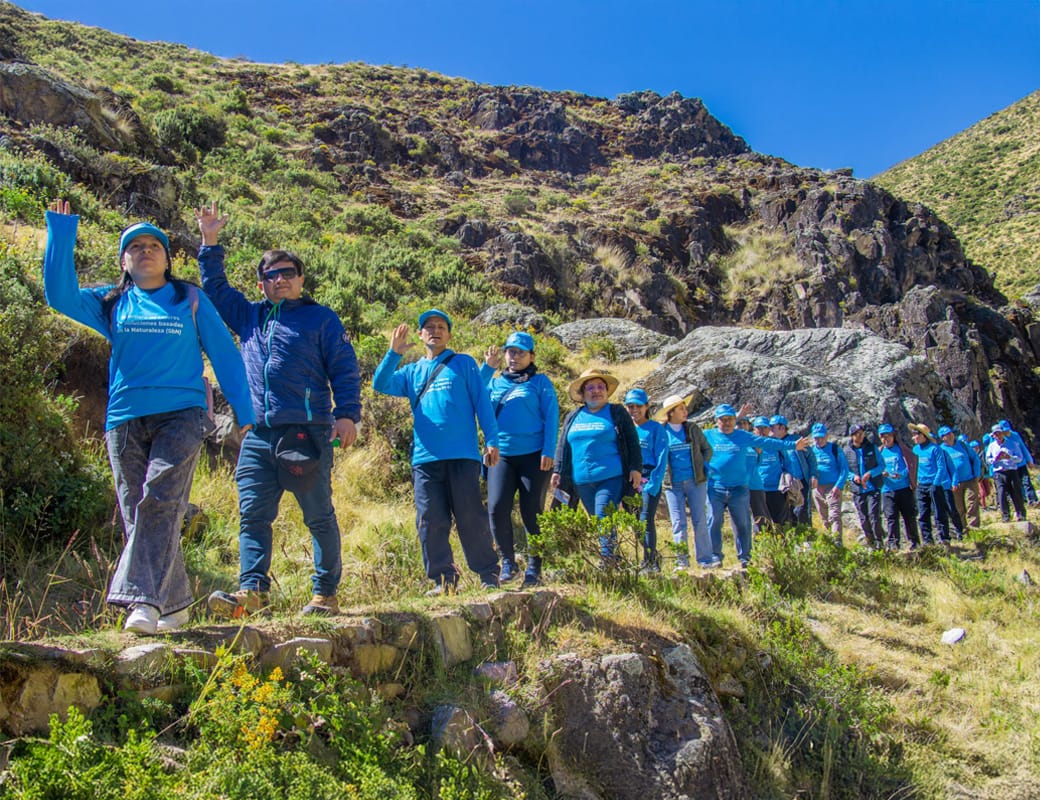
The Shampo-Mushca Mushca and Bado-Ñuñunguia amuna rehabilitation project includes the rehabilitation of 1.81 km distributed in 2 amunas located in the Quilcamachay-Vicas Campesino Community. In addition, the project will encourage the active participation of the community in activities such as capacity building and the adoption of actions to ensure the long-term operation of the amunas.
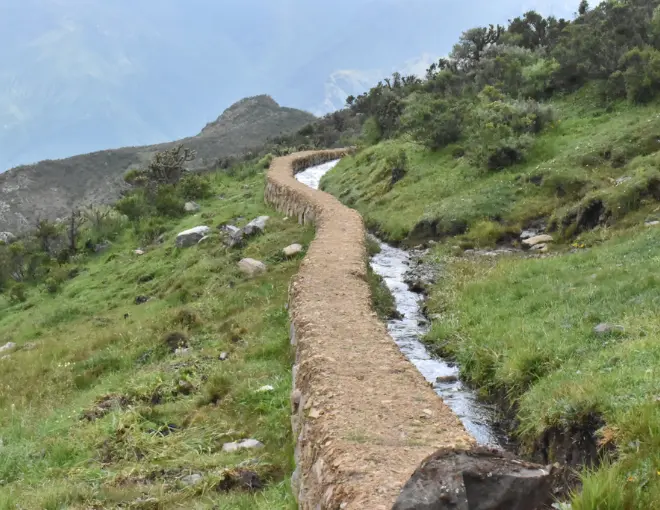
Rehabilitate 1.81 km of the infiltration channel, an ancestral technology that contributes to water security by recharging the aquifers through infiltration.