














Water and climate change, an unavoidable convergence
In recent years we have witnessed how climate change has gone from being a future threat to becoming a critical reality. Its most critical and visible impacts are manifested in the scarcity, variability and degradation of water resources and their sources. In this context, COP 30, to be held this year in Belém do Pará, Brazil, is not just another climate summit, it is a unique and historic opportunity to place the water crisis at the center of multilateral agreements and to secure the financing and political will necessary for sustainable water management.
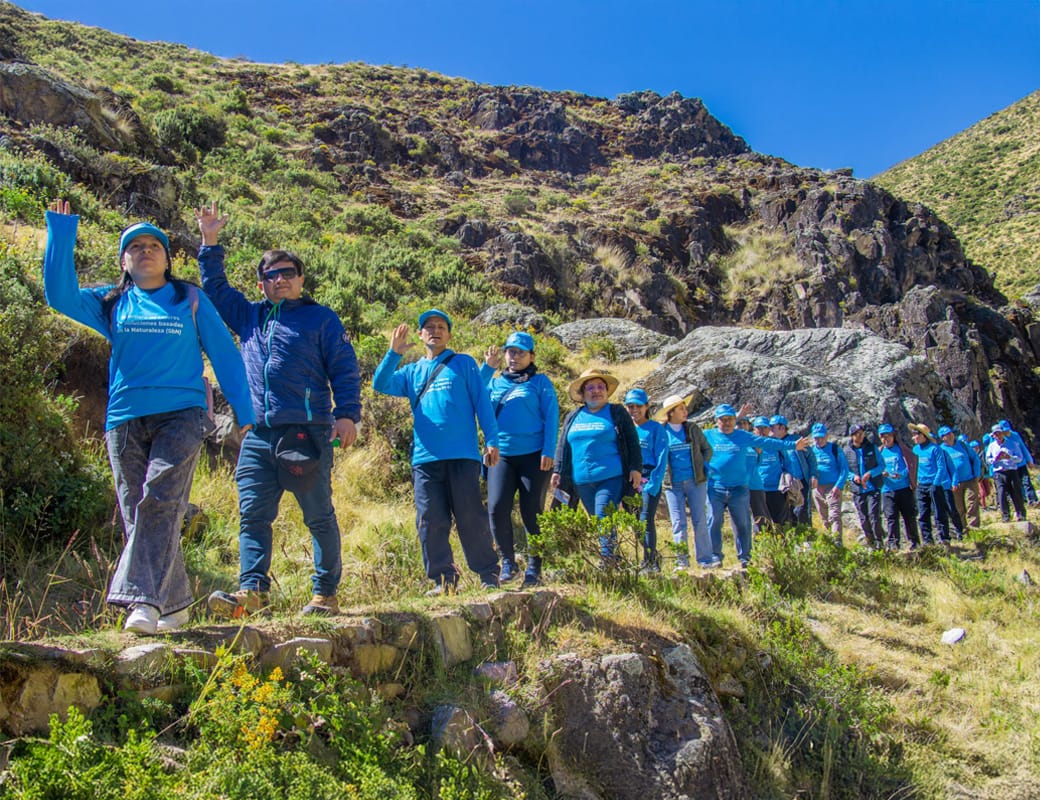
From Aquafondo, the Water Fund of Lima and Callao, we work for the sustainability of water resources in the basins that supply water to Lima and we are attentive to international negotiations and global agreements, seeking to align our interventions to the water commitments made by the country. Our work focuses on -through interventions legitimized with the population- closing environmental gaps, generating positive impact and evidence, articulating actors and scaling solutions that strengthen the resilience of the watersheds of the Chillon, Rimac and Lurin rivers, which supply one of the most populated cities in South America and the second largest in the world located in a desert.
Aquafondo and key expectations for COP 30
We expect COP 30 to become a turning point. To this end, multilateral agreements must address the water crisis from an integrated perspective, mainly addressing the following key points:
1. Water as a structural axis of climate action.
Despite being the main vehicle for the impacts of climate change: prolonged droughts, floods and extreme events, loss of glaciers and alteration of the hydrological cycle, water has not played a leading role in climate negotiations, only a thematic one. The next COP must consolidate water as a fundamental axis in the global climate architecture, it is necessary to change the paradigm and the narrative of positioning water as the victim of climate change, and begin to see it as the protagonist of the solutions.
In this regard, the forthcoming multilateral agreements are expected to boost:
- The adoption of a Global Declaration on Water and Climate, which recognizes the role of water in adaptation, mitigation and resilience to climate change, and integrates specific targets in Nationally Determined Contributions (NDCs) and National Adaptation Plans (NAPs).
- The mainstreaming of the water security approach in climate reporting and monitoring mechanisms, such as the Global Stocktake of the Paris Agreement.
- Strengthening multilevel water governance, articulating climate, water and land-use policies with a basin approach and community participation. In addition to strengthening the institutional and legal frameworks that allow for equitable and sustainable management, especially in transboundary basins.
- The valorization of Nature-Based Solutions (NBS) as a strategy to address the climate crisis through interventions that restore and conserve water ecosystems, protect headwaters, improve water regulation, capture and store carbon, and strengthen social resilience.
- Circular water economy, establishing policies and regulations that promote the treatment and reuse of wastewater in industrial and urban sectors.
- Continue to promote, develop and implement technologies and policies that reduce water consumption, especially in agriculture, which accounts for about 70% of global freshwater use. This includes technified irrigation systems and the promotion of less thirsty crops.
2. The importance of Nature-Based Solutions (NBS) and Natural Infrastructure
In the context of current climate variability and demonstrated positive impacts, it is a good time for COP 30 to recognize the role of BNS as an essential and cost-effective tool for adaptation. BNS, or natural infrastructure, use ecosystems to solve current water management challenges. Some examples are mentioned below:
- Reforestation and conservation of headwaters: Forests in headwaters act to regulate water flows, provide stability, reduce soil erosion and improve water quality.
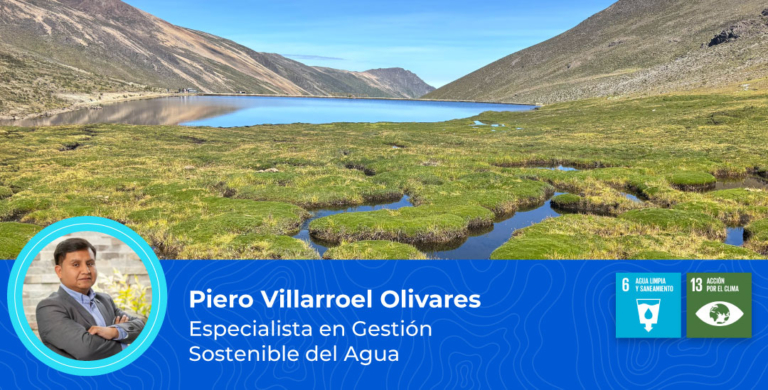
- Restoration of wetlands and wetlands: These ecosystems are considered natural sponges that absorb water during heavy rains, reducing runoff and preventing flooding; they then slowly release water during the dry season, contributing to the seasonality of water availability and increasing the base flow of rivers.
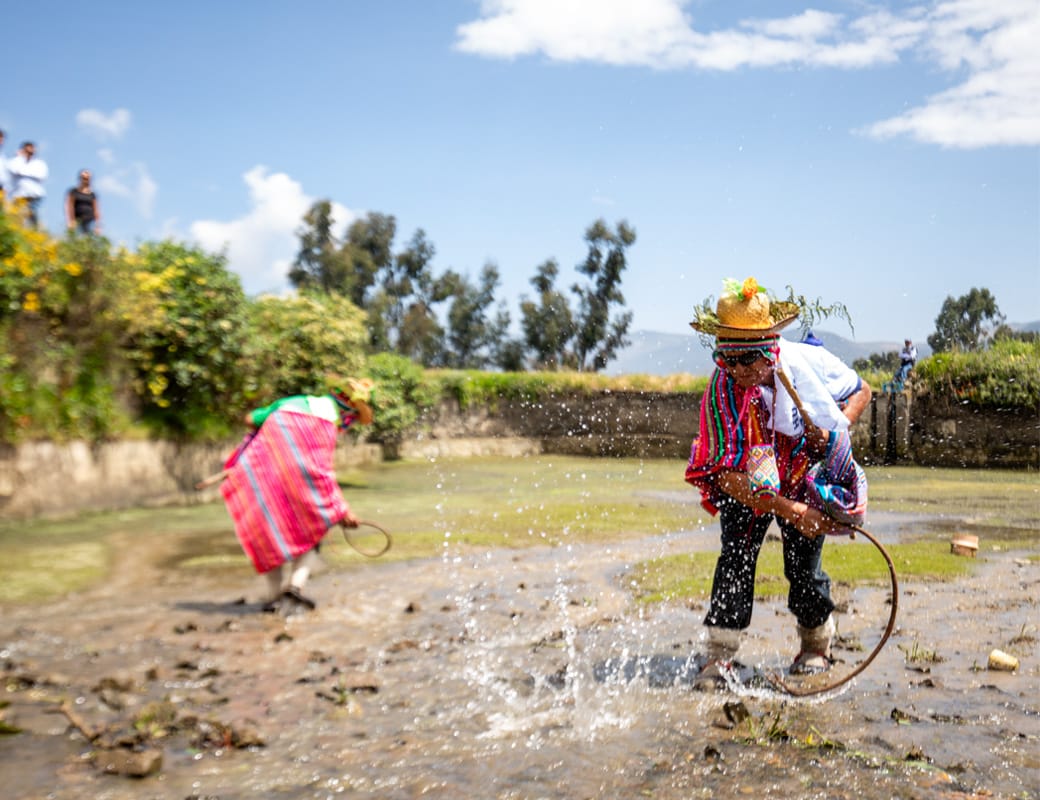
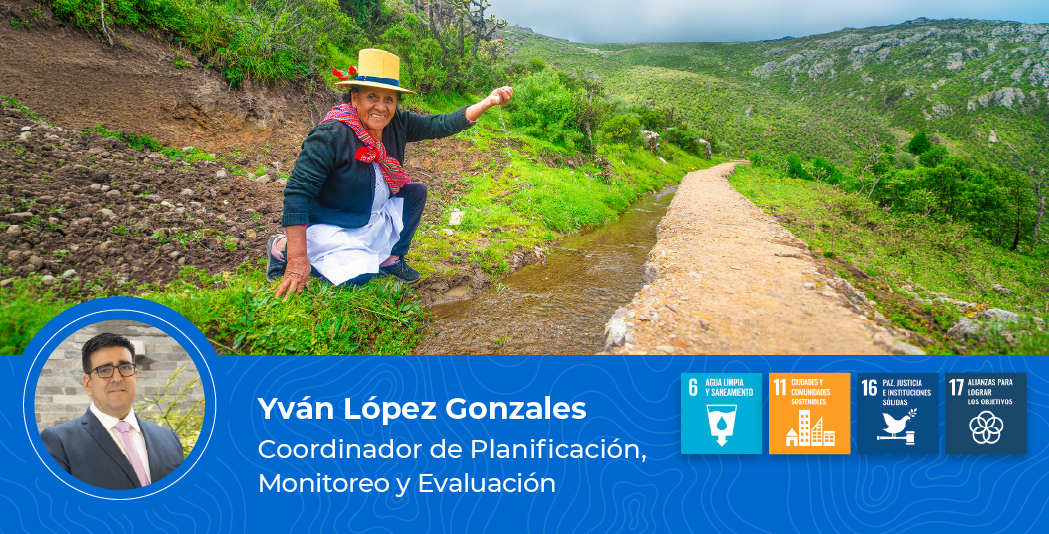
- Aquifer recharge: A clear example is the system of Amunas as infiltration mechanisms, which recharge subway water reserves, an important source of water for Lima and many regions and productive sectors in the world.
In addition, it is important to highlight that BNS not only benefit the water security of the population in the watersheds, but also generate co-benefits in biodiversity, soil health and the wellbeing of local communities.
3. Financing, co-responsibility and territorial action
The implementation of actions that provide solutions to this problem requires more than political will, it requires fair financing, co-responsibility among actors and decisive action from the territories. In this sense, we can expect from COP 30:
- Simplification of mechanisms for accessing the Green Climate Fund and other multilateral instruments, prioritizing projects that integrate BNS, ecosystem restoration and protection of natural infrastructure.
- The recognition of natural infrastructure as an essential component of water security, complementary to traditional gray infrastructure, especially in vulnerable urban and rural contexts such as the city of Lima and the upper part of its watersheds.
- The promotion of multi-stakeholder co-responsibility models, where the State, private sector, civil society and communities co-finance and manage sustainable interventions, with shared benefits and accountability mechanisms.
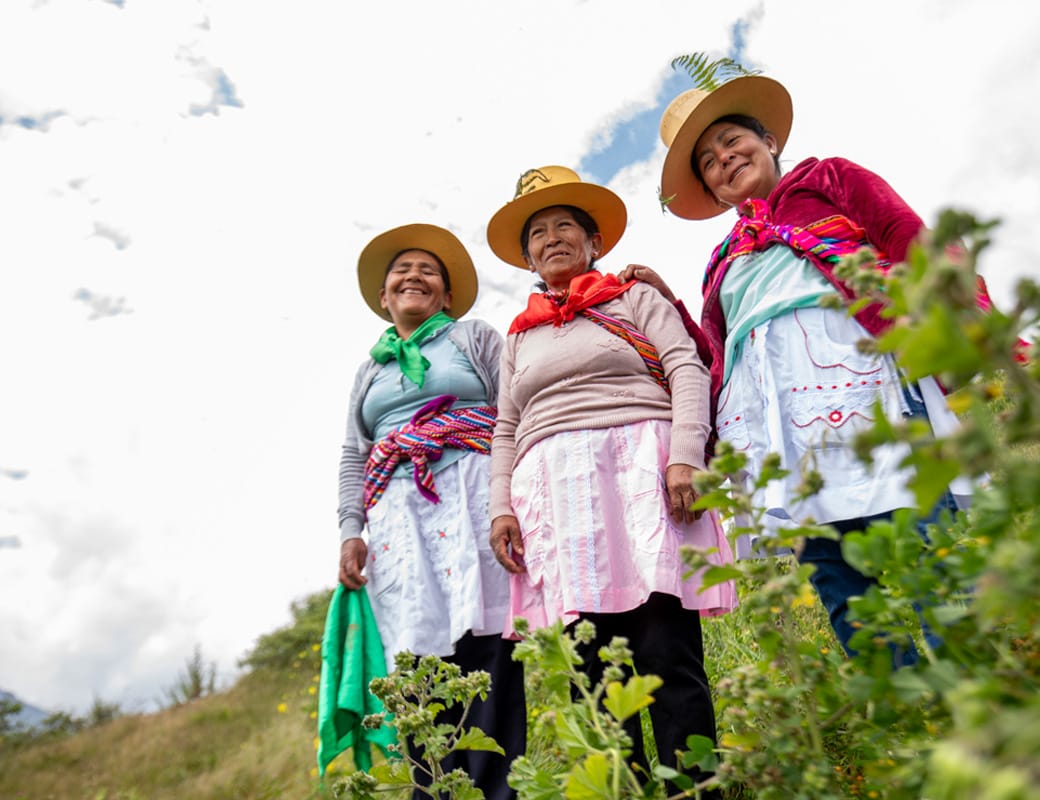
- The incorporation of criteria of climate justice, territorial equity and interculturality, ensuring that investments reach those who need them most and respect ancestral knowledge in water management.
From diplomacy to action
From our role in Aquafondo, we work to contribute to the fulfillment of the country’s water goals and commitments and thus close the gap between global agreements and operational action in the field, through the:
- Building legitimacy and sustainability with each intervention
- Generating evidence on the impact of our actions on the timeliness, quality and quantity of water.
- Promoting informed decision making.
- Promotion of partnerships among stakeholders to mobilize resources and scale innovative solutions.
Finally, we are convinced that COP 30 will mark the beginning of a new paradigm in climate action focused on water. For this, it is key that multilateral agreements are translated into contextualized and coherent public policies, accessible and sustainable financing, and strengthened and resilient local capacities.
From Aquafondo, we reaffirm our commitment to sustainable water management, with a basin approach, resilient and equitable, that contributes to face the climate crisis from the territory, with evidence, innovation and co-responsibility.

