












The current water crisis is forcing us to rethink how we understand and manage water. For years, the predominant response has focused on gray infrastructure: dams, water transfers, lined canals, direct regulation of water resources, and solutions designed primarily through an engineering lens.
However, we can see that this approach alone is insufficient in the face of increasing climate variability and ecosystem degradation.
In this context, Nature-Based Solutions (NbS) are becoming increasingly relevant as an approach that harnesses ecosystem processes to address challenges such as the water crisis.
Within this framework, natural infrastructure represents a specific application focused on water management, where ecosystems and traditional systems such as amunas, qochas, and bofedales perform infrastructure-like functions by infiltrating, storing, and regulating water resources.
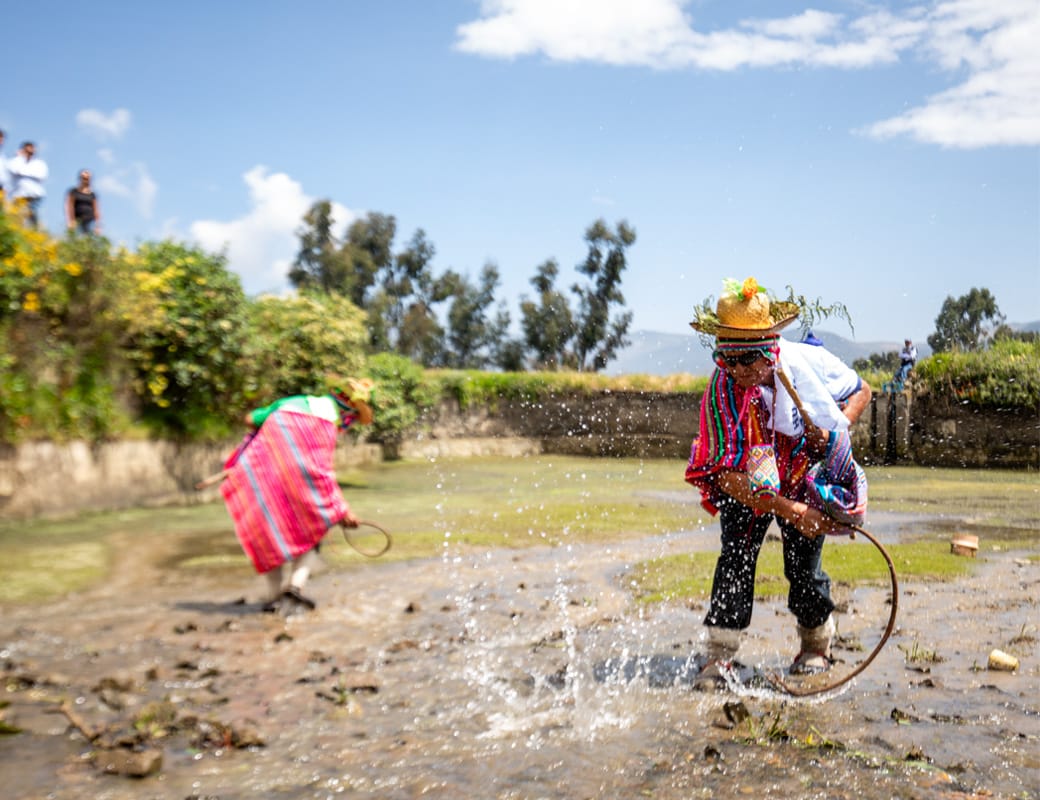
However, these solutions, which are often presented today as innovative approaches, are not new. In the Andes, communities have managed water for centuries using these very systems.
From this perspective, Nature-Based Solutions (NbS) represent a contemporary technical validation of ancestral practices.
This invites us to reflect on a key idea: looking to the past does not mean moving backward; it means recovering knowledge that already provided solutions to challenges we are facing once again today.
The challenge now lies in integrating this ancestral knowledge with science and technology to address contemporary issues, such as ensuring water security for cities that are highly dependent on their watersheds, like Lima.
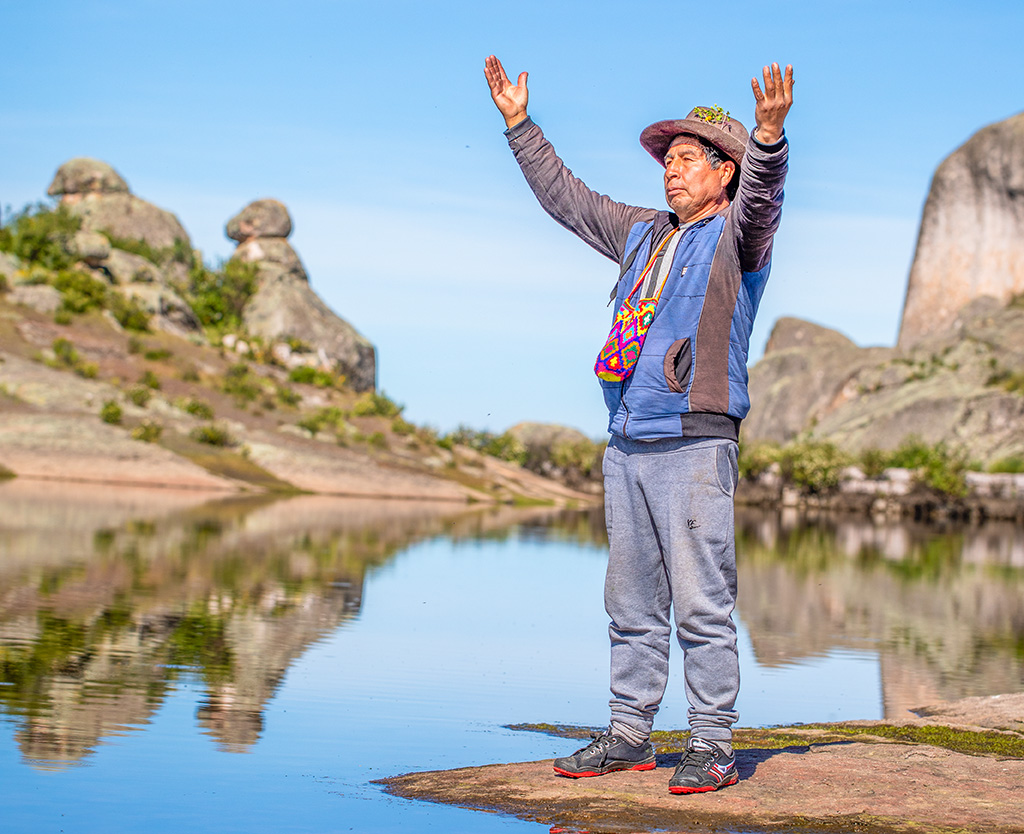
Water Security Begins in the Watershed
This perspective is particularly relevant in the Santa Eulalia sub-watershed, located within the Rímac River basin, which plays a strategic role in supplying water to the city of Lima.
The capital’s water availability depends largely on what happens in these high-Andean areas, often located more than 3,500 meters above sea level, where the natural processes that regulate water flows take place.
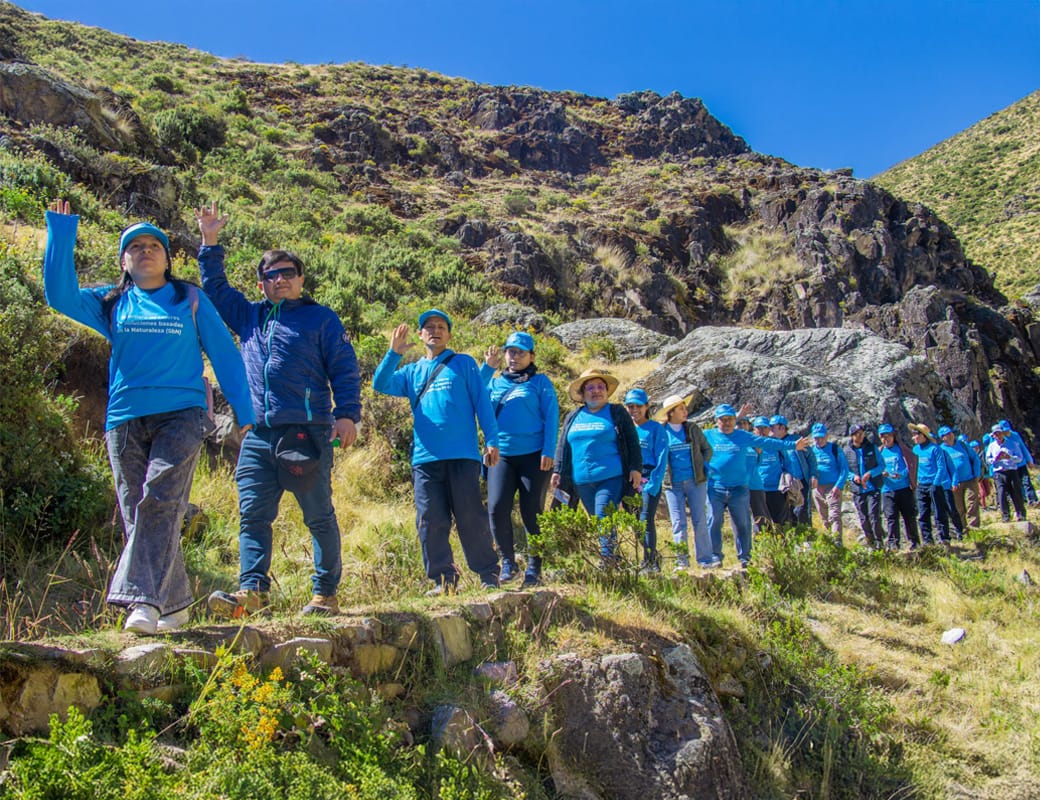
For the past 15 years, we have been working in this sub-watershed to implement Nature-Based Solutions (NbS) aimed at restoring the territory’s hydrological functionality.
This work has enabled us to move beyond isolated interventions toward an integrated watershed-scale management approach.
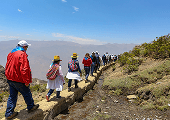
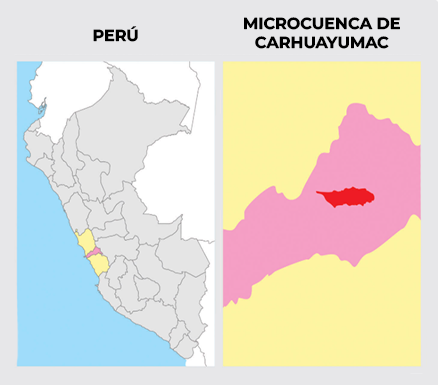
Within this system, the Carhuayumac micro-watershed, located in the rural farming community of San Pedro de Casta in Huarochirí, Lima, provides a concrete example of how these solutions can be integrated and work together in a coordinated manner.
Solutions That Work with Nature
In the Santa Eulalia sub-watershed, the Nature-Based Solutions (NbS) we have been implementing are not based on a single intervention, but rather on an integrated water regulation strategy aimed at restoring processes that the territory itself has developed over centuries.
Among these solutions are amunas, qochas, and bofedales, each performing specific yet complementary functions within the water cycle.
Amunas capture water during the rainy season and channel it toward infiltration areas, helping to promote the natural recharge of aquifers. Weeks or months later, this water re-emerges through springs or baseflow, helping maintain water availability during the dry season.
In technical terms, one kilometer of rehabilitated amuna can infiltrate approximately 118,000 to 225,000 m³ of water per year.
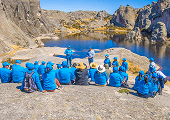
Qochas act as natural reservoirs that temporarily store surface water, reduce runoff, and promote gradual infiltration into the ground.
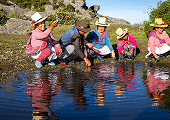
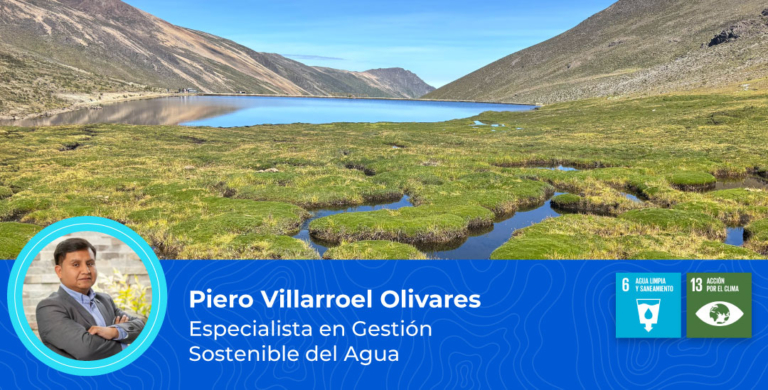
Bofedales, in turn, function as true high-Andean sponges, retaining water, regulating flows, and maintaining the moisture needed to sustain both biodiversity and the associated ecosystem services.
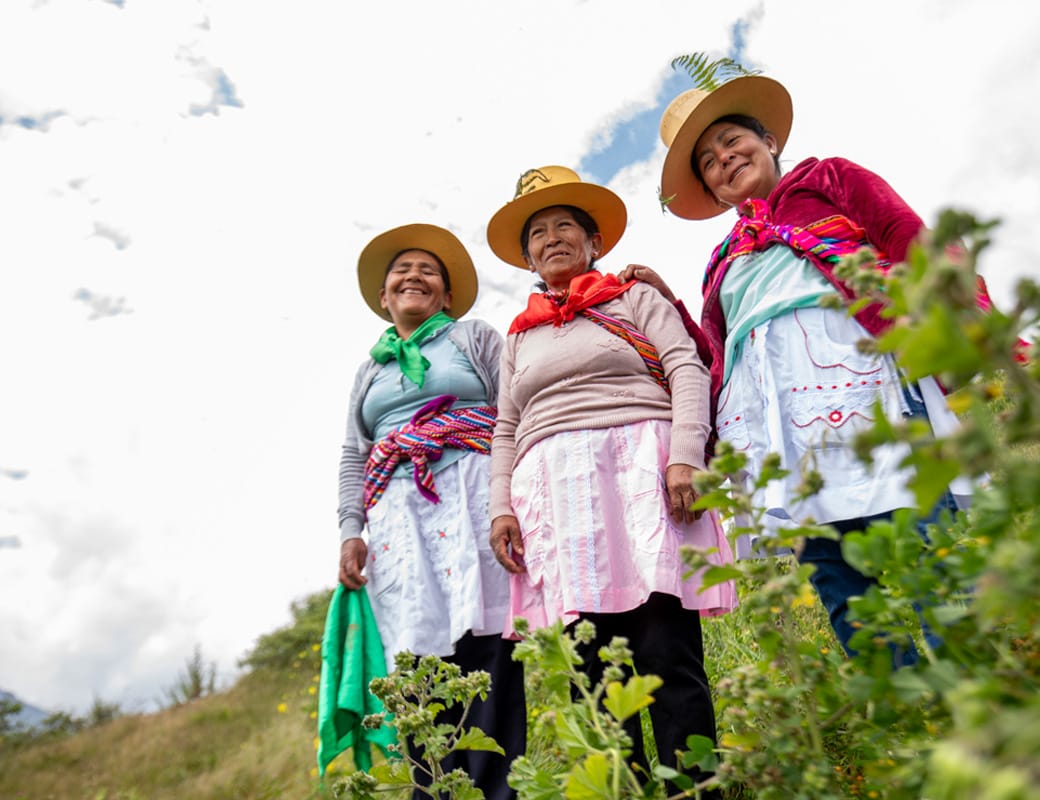
However, beyond their physical functions, these solutions incorporate a key element: stewardship of the land and territory. For local communities, nature is not simply a resource, but a living system.
This relationship helps ensure the long-term sustainability of these solutions.
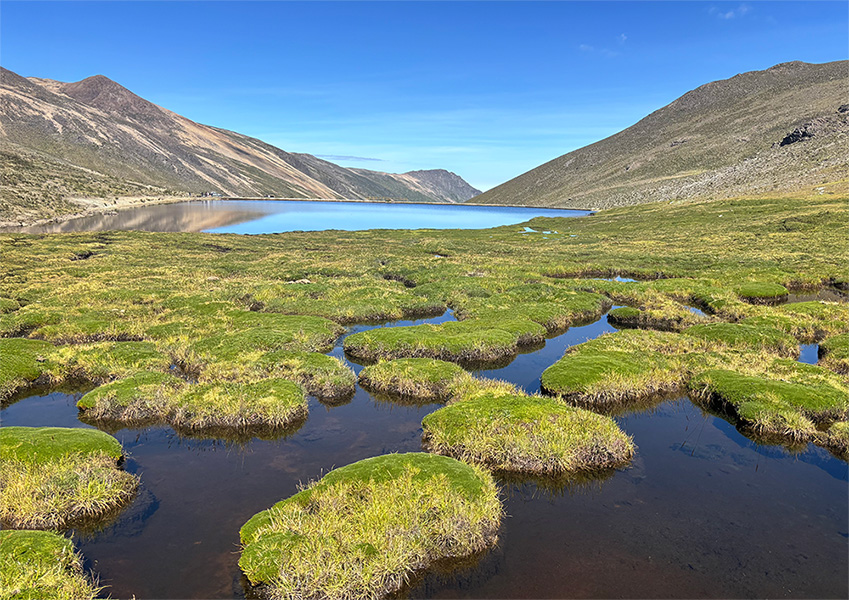
From Intervention to Impact: Measurable Results
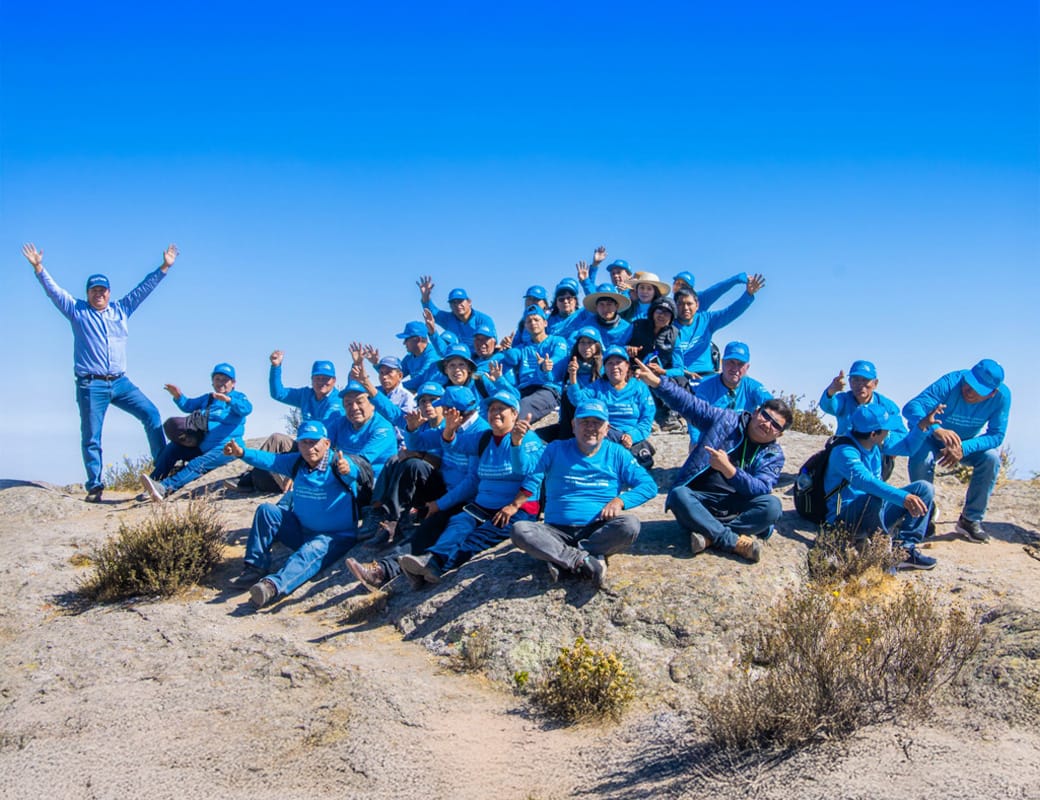
After 15 years of work in the Santa Eulalia sub-watershed, the results demonstrate how small-scale actions in watershed headwaters can generate impacts that extend far beyond the territory.
The rehabilitation and maintenance of more than 87 km of amunas has helped restore ancient water pathways. Together with the conservation of strategic ecosystems, these efforts have benefited more than 6,000 hectares of mountain ecosystems by increasing water and moisture availability.
This process represents the potential to infiltrate more than 15 million cubic meters of water each year, strengthening water regulation during dry periods.
In addition, the conservation of bofedales provides hydrological benefits exceeding 5,000 m³ per year per intervention, enhancing the territory’s natural capacity to store water and release it gradually over time.
However, perhaps the most significant result is that these benefits are not limited to the high-Andean areas. Today, more than 320,000 people benefit directly or indirectly from a more resilient territory with a greater capacity to support water security.
Carhuayumac: A Model Validated in the Field
The Carhuayumac micro-watershed, located in the rural farming community of San Pedro de Casta, represents one of the clearest examples of how ancestral knowledge, science, and technology can converge to strengthen water security.
In this territory, the integrated use of amunas, qochas, and bofedales has helped restore natural water regulation processes, while also strengthening local capacities and generating evidence to support informed decision-making.
Rather than a series of isolated interventions, this work has developed a territorial management model based on a deep understanding of the landscape and its natural dynamics.
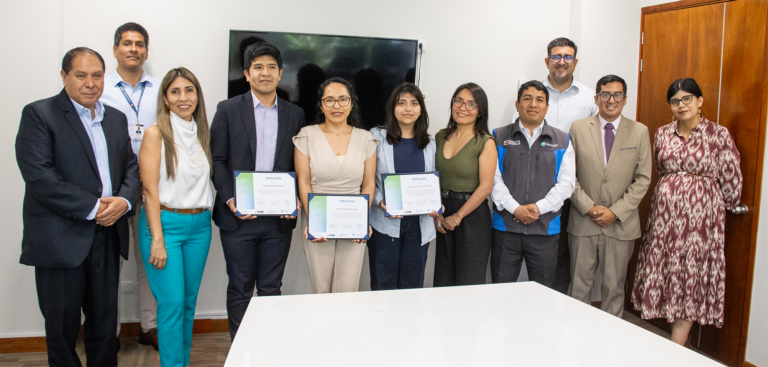
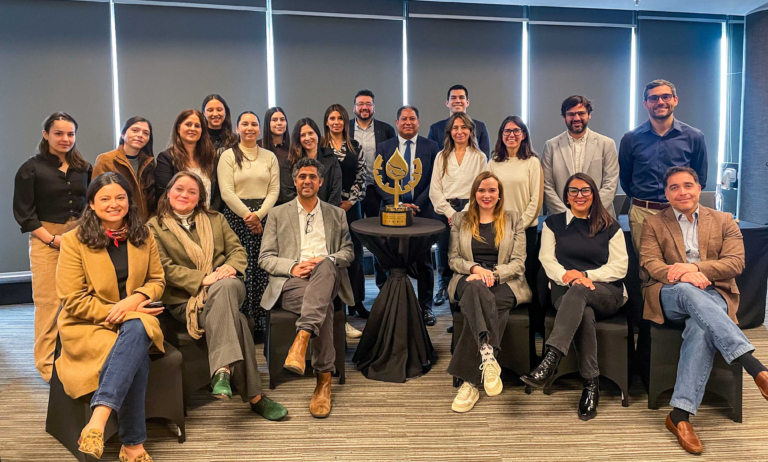
As a result, in 2024, the Carhuayumac micro-watershed was recognized by UNESCO as an Ecohydrology Demonstration Site.
This recognition is not the result of a single intervention, but rather of a long-term, sustained approach. It invites us to understand that innovation does not necessarily mean creating something new, but rather integrating existing knowledge, validating it, and scaling it based on scientific and technical evidence.
In addition, it positions the Santa Eulalia sub-watershed as an international reference for Nature-Based Solutions (NbS), demonstrating that actions implemented in high-Andean territories can contribute valuable insights to global discussions on water security
A Critical Perspective: Toward Hybrid Infrastructure
We can see that many modern solutions fail not because of a lack of engineering expertise, but because they are disconnected from the territory. Ignoring the cultural and ecological context limits their long-term sustainability.
This leads us to an important reflection: the solution is not about choosing between ancestral and modern approaches, but about building hybrid infrastructure that integrates the strengths of both.
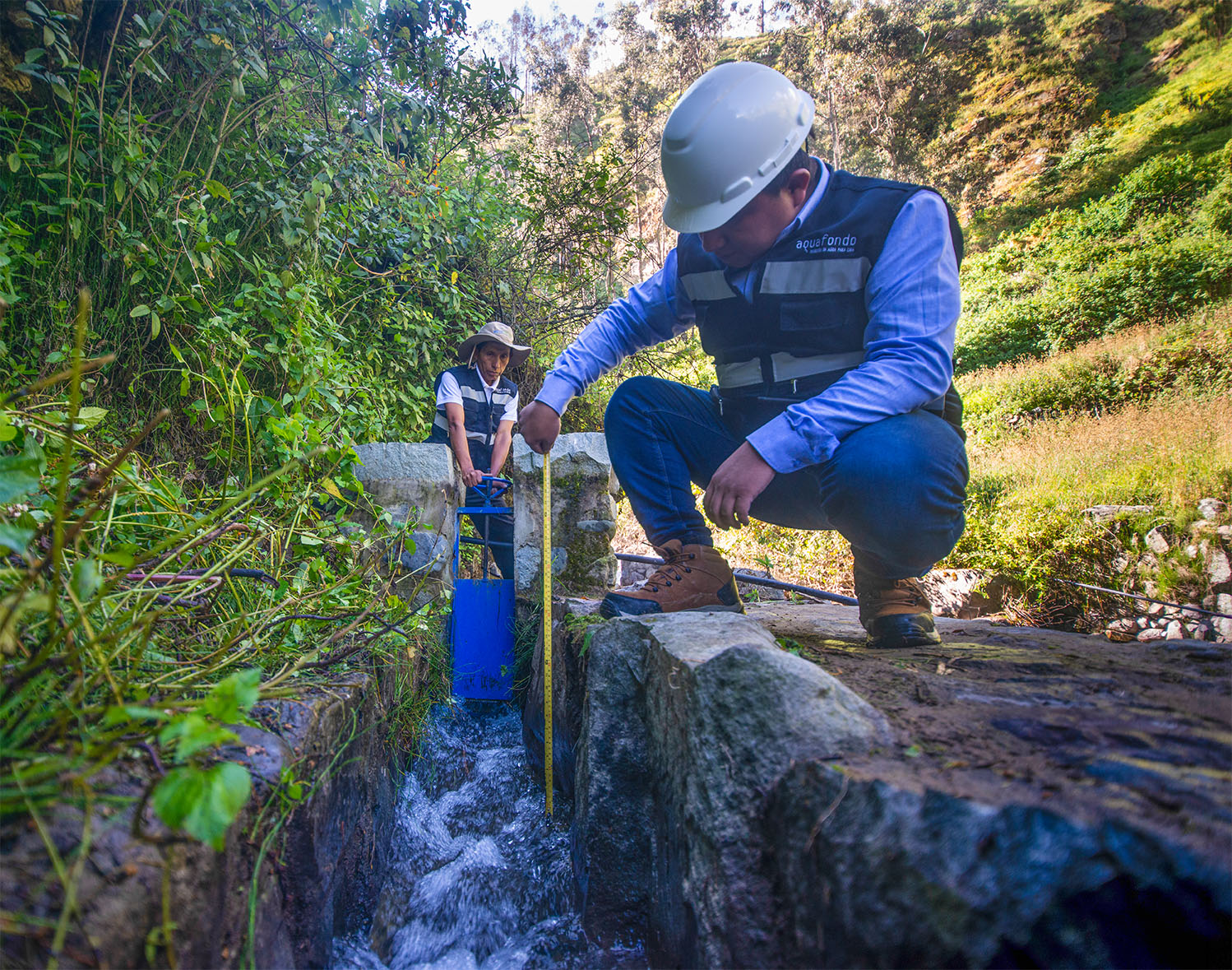
At Aquafondo, we work under this approach, integrating:
- Ancestral knowledge, which provides a deep understanding of the territory.
- Science, which enables us to validate processes.
- Technology, which enables monitoring and scalability.
In addition, we focus our efforts where it all begins: in the watershed headwaters, often located more than 3,500 meters above sea level, where the water regulation processes that directly impact cities such as Lima take place.
This approach also strengthens cultural resilience, fostering local ownership and ensuring long-term sustainability.
Innovation Also Means Remembering: An Agenda for the Future of Water
In global forums such as COP17 of the United Nations Convention to Combat Desertification (UNCCD), where innovative responses to the water crisis are also discussed, experiences developed in the Andes remind us that innovation does not always mean inventing something new.
Sometimes, it means recognizing the value of knowledge that has stood the test of time, understanding why it worked, and strengthening it with the science and technology available today.
The challenge we face is not to choose between tradition and modernity, but to learn how to integrate them. We need solutions that combine scientific evidence, technological innovation, and the accumulated wisdom of those who have lived for centuries in complex and changing environments.
Perhaps modern water crises are teaching us one of their most important lessons: the future of water depends not only on our ability to build new infrastructure, but also on our willingness to approach the territory with humility and recognize that some of the answers we seek have been there for generations.
Because if we want to ensure water security for the future, we must begin by protecting the places where it all starts: where water begins.

