












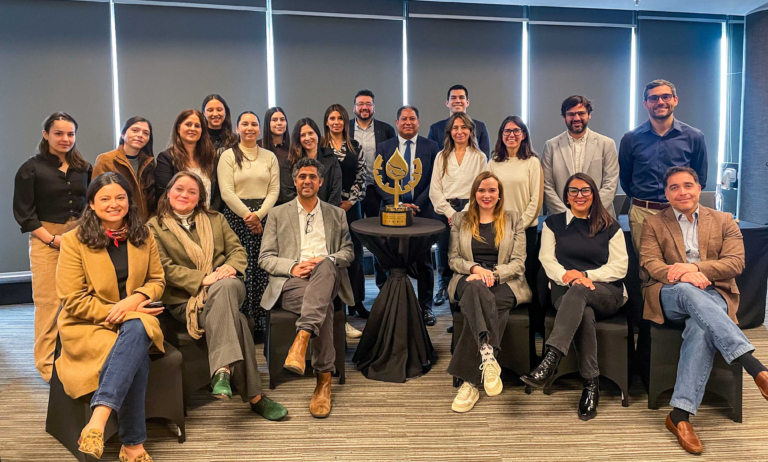


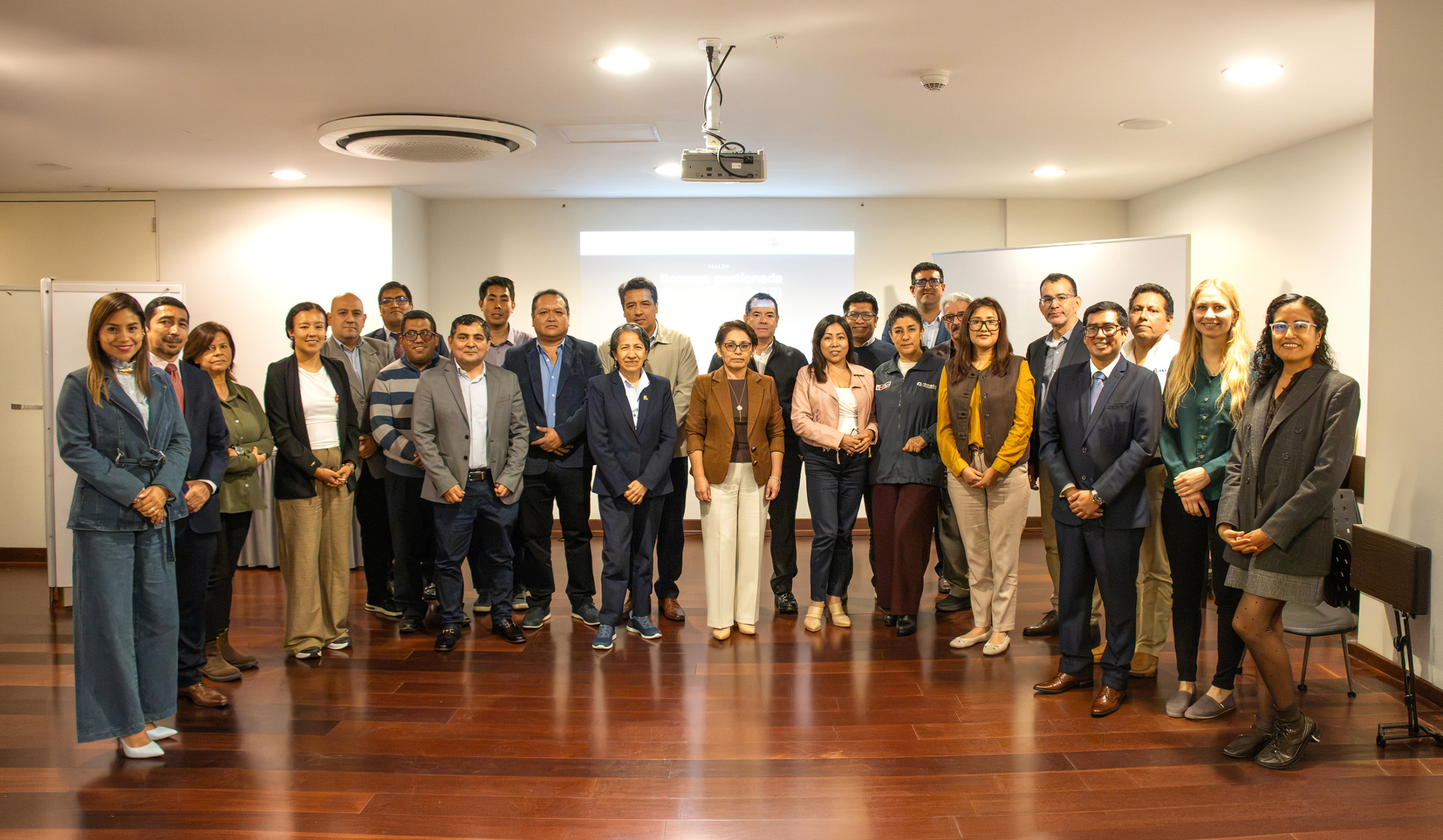
Ensuring a reliable water supply for Lima requires expanding the way we manage our water resources. In the face of challenges such as climate change, urban growth, ecosystem degradation, and increasing water demand, we promote spaces for dialogue that foster the development of innovative and sustainable solutions.
With this objective in mind, Aquafondo, together with the NEWA 2 Project at the University of Stuttgart, organized the workshop “Managed Aquifer Recharge as a Nature-Based Solution for Lima’s Water Security.”
The workshop provided a forum for technical exchange to explore the potential of Managed Aquifer Recharge (MAR) as a complementary strategy for strengthening Lima’s water security.
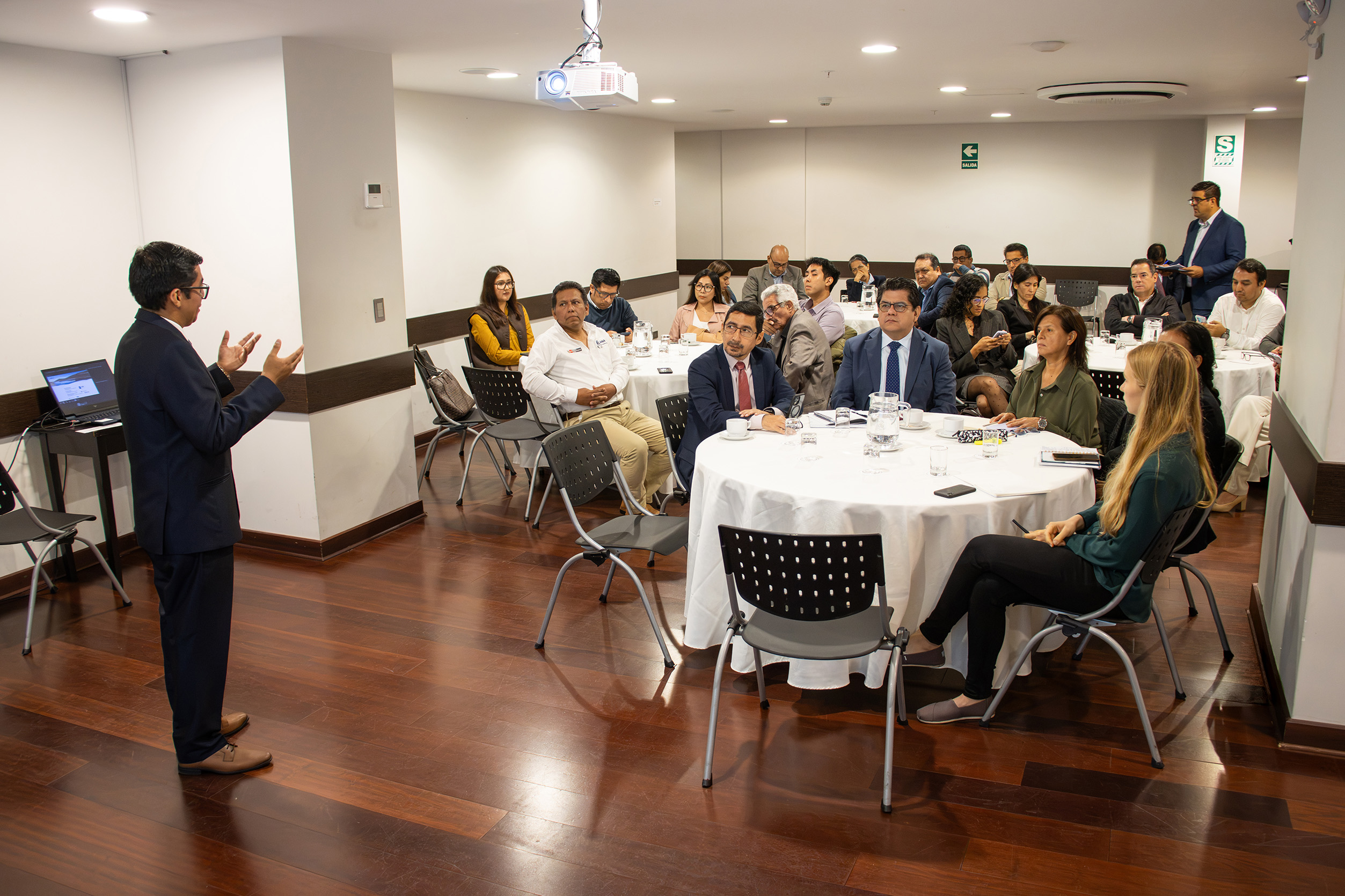
Bringing Institutions Together to Build Shared Solutions
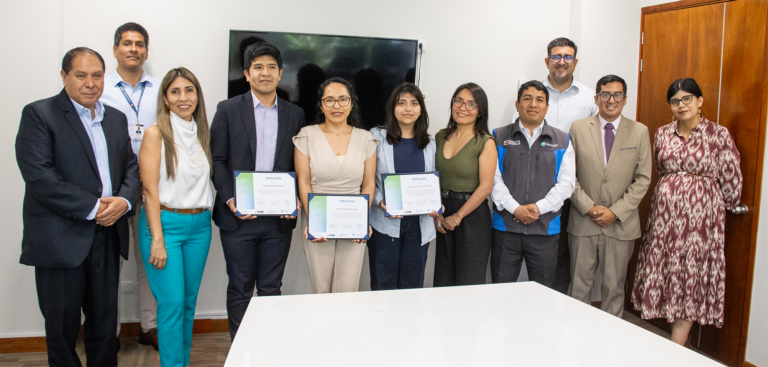
The workshop brought together representatives from the public sector, international cooperation organizations, academia, and private-sector experts. Public sector participants included SUNASS, PROINVERSIÓN, PRODUCE, OTASS, OEFA, the National Water Authority (ANA), SENACE, the Technical Secretariat of the Chillón–Rímac–Lurín Interregional River Basin Water Resources Council (ST CHIRILU), and the Ministry of Housing, Construction and Sanitation (MVCS), together with its National Urban Sanitation Program and the Safe Water for Lima and Callao Program.
The workshop also welcomed representatives from the World Bank and the German development agency GIZ. Academia was represented by the National University of Engineering (UNI), while experts from GreenCorp and Flowen shared their experience in wastewater management and its potential contribution to Managed Aquifer Recharge (MAR).
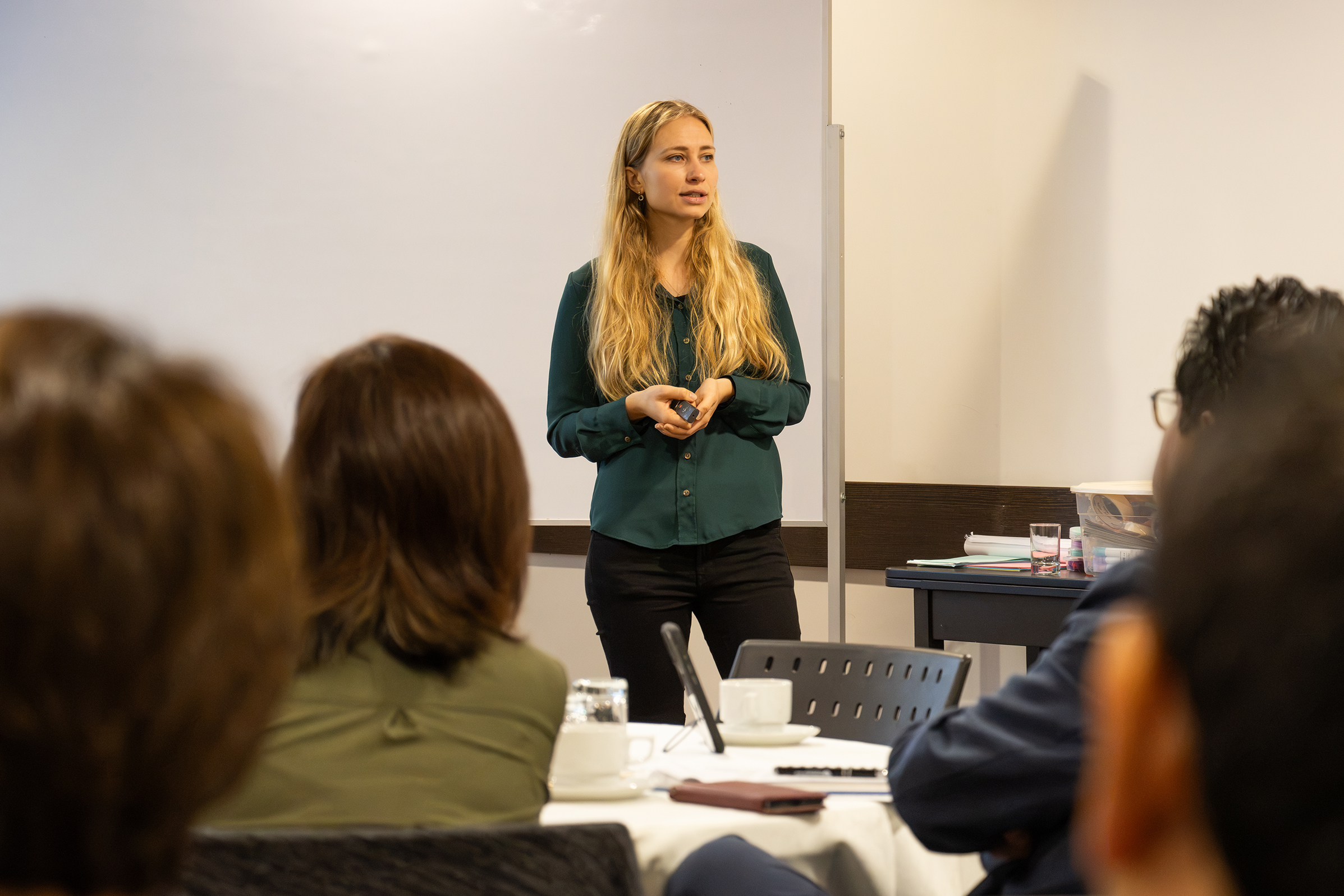
Sharing Experiences on Nature-Based Solutions
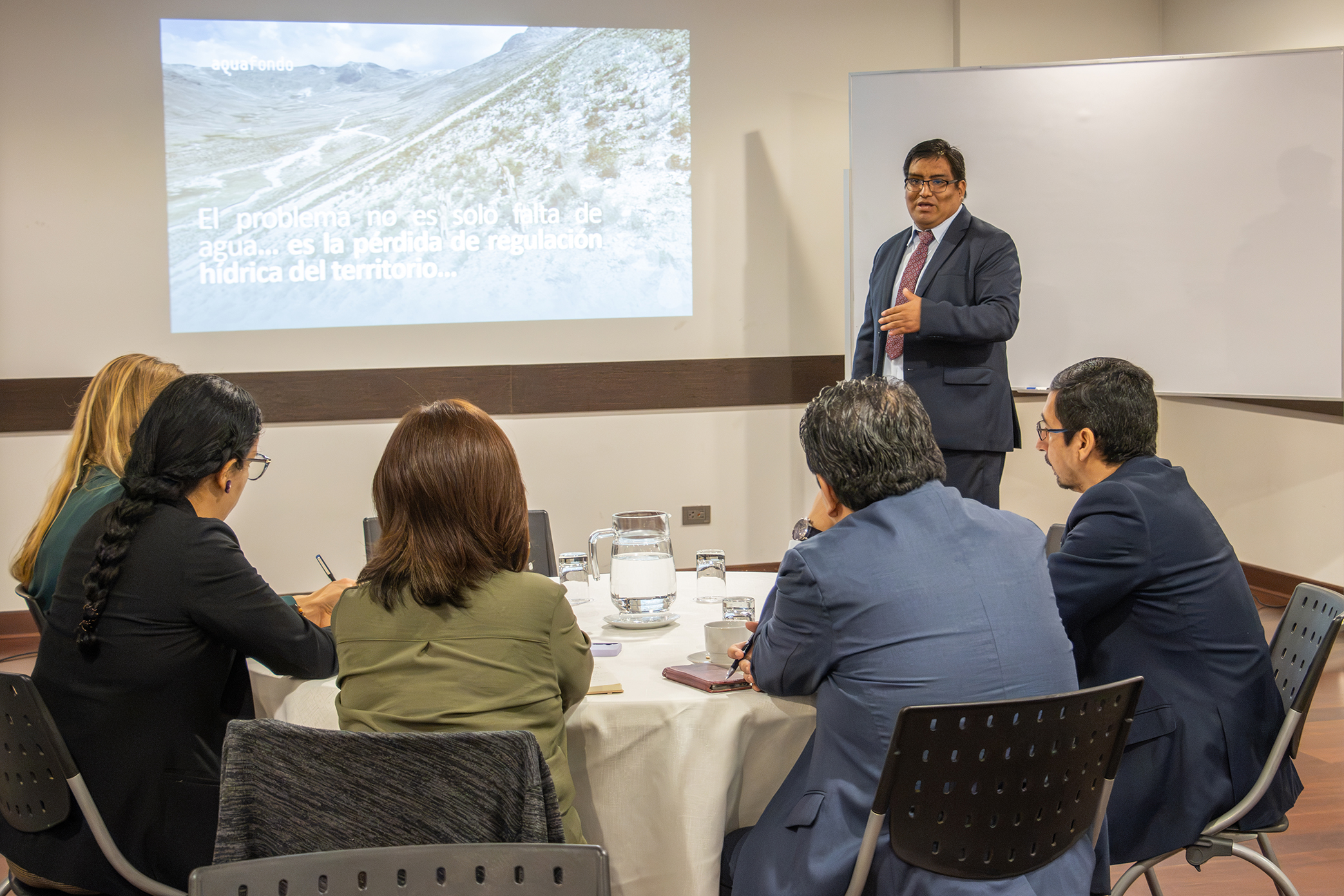
As part of the workshop, Sadam Huarocc, Aquafondo’s Programs and Projects Coordinator, delivered the presentation “Managed Aquifer Recharge through Nature-Based Solutions and Natural Infrastructure.” During his presentation, we shared how Nature-Based Solutions (NbS) and natural infrastructure help enhance water infiltration, strengthen water regulation, and complement other strategies for the sustainable management of water resources.
These solutions harness the natural functions of ecosystems to increase resilience to climate variability, while contributing to a more reliable and sustainable water supply for Lima.
Identifying Opportunities to Advance Managed Aquifer Recharge
During the workshop, we held two working sessions focused on Governance and Enabling Frameworks and Implementation and Scaling, with the goal of identifying the key challenges and opportunities for advancing Managed Aquifer Recharge (MAR) in Peru.
As a result of the discussions, we agreed that Managed Aquifer Recharge (MAR) represents a valuable opportunity to strengthen Lima’s water security.
Participants also identified several priorities for advancing its implementation in Peru, including strengthening territorial planning to identify areas with the greatest potential for MAR, incorporating lessons learned from international experiences, ensuring that water used for recharge meets quality standards that protect both public health and the environment, promoting investment mechanisms that encourage the participation of water and sanitation service providers and the private sector, and enhancing the country’s technical capacities in hydrogeological modeling and aquifer monitoring.
Continuing to Build Partnerships for Water Security
The insights generated through this collaborative process will serve as key input for the NEWA 2 Project as it documents the workshop’s main findings and continues advancing the next steps to promote Managed Aquifer Recharge (MAR) as a strategic solution for strengthening Lima’s water security.

