












The accelerated urbanization process in the city of Lima has led to a socioeconomic dynamic that concentrates more than 11.5 million inhabitants and generates over 40% of the country’s Gross Domestic Product (GDP).
This growth has prioritized the expansion of gray infrastructure over natural spaces. As a result, wetlands, coastal hills (lomas), and rivers that shaped the city’s inter-Andean valley for centuries are progressively disappearing.
Their eventual loss would severely impact water-related ecosystem services and lead to a socio-environmental crisis reflected in:
- An increase in the frequency of heat waves.
- Greater vulnerability of populations whose livelihoods depend on wetlands.
- The loss of native and endemic wildlife species.
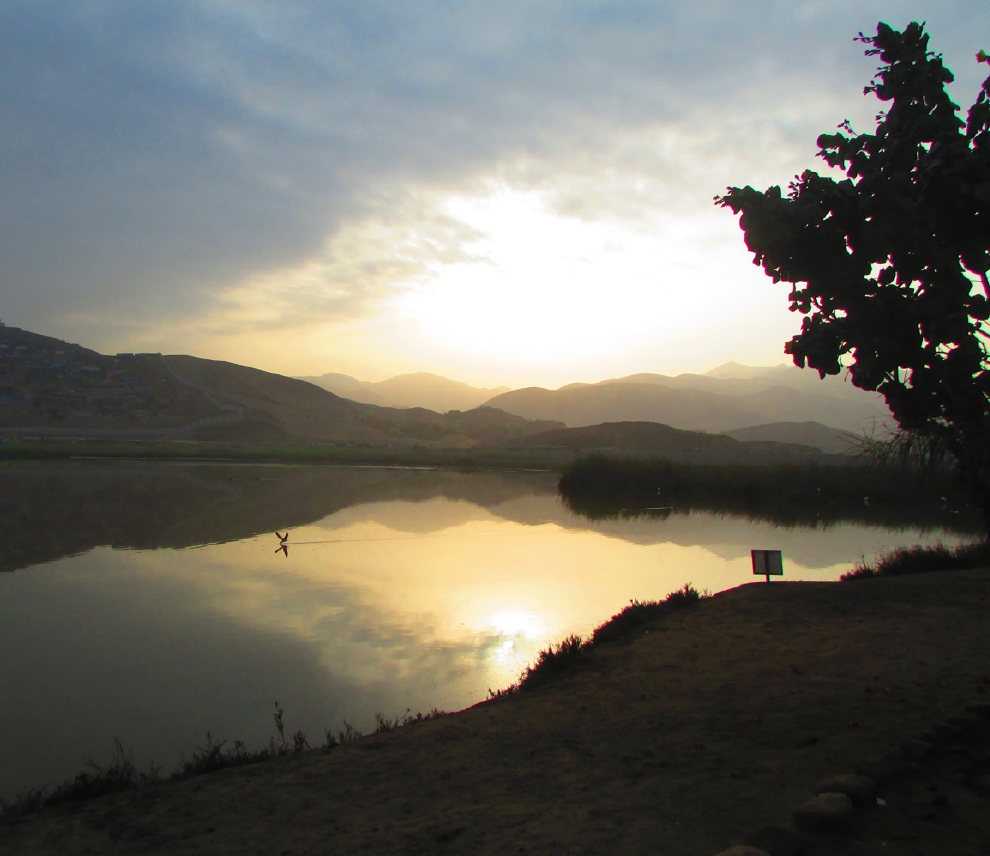
Landscape beauty ecosystem service
Wetlands: disappearing freshwater treasures
Given this scenario, it is necessary for citizens to understand and internalize the value that coastal wetlands provide to the city.
In Lima, this ecosystem is located along an altitudinal gradient ranging from 0 to 5 meters above sea level and is characterized by vegetation dominated by reeds and cattails.
Together, these wetlands cover an area of 590 hectares, representing only 0.21% of the capital’s territory.
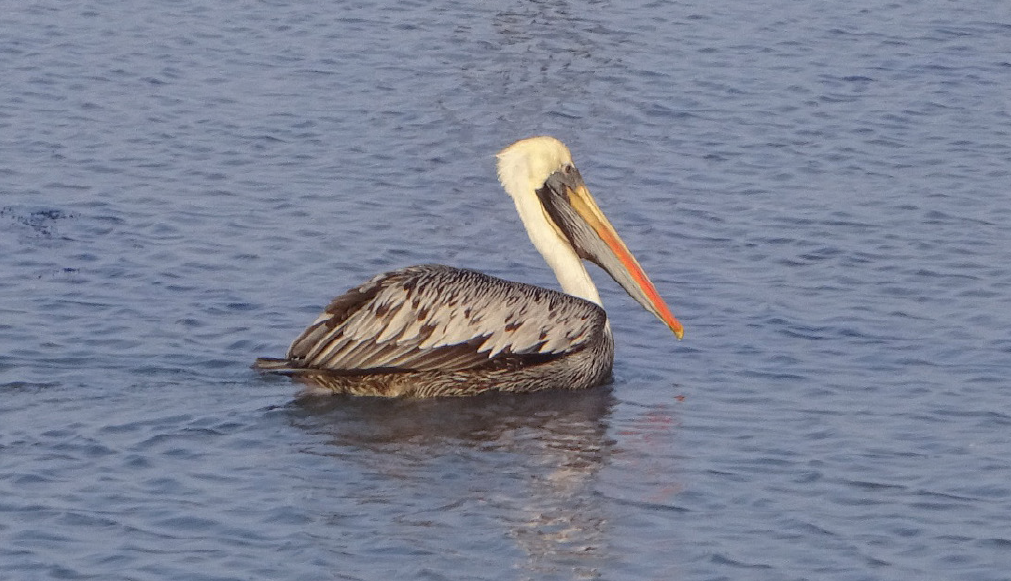
Poza de la Arenilla Coastal Wetland (La Punta, Callao)
Despite their limited extent, coastal wetlands provide significant environmental, social, and economic benefits. These are reflected through ecosystem services such as:
- Water regulation
- Improvement of water quality
- Carbon sequestration and storage
- Habitat support for wildlife
- Scenic beauty
- Recreation and ecotourism
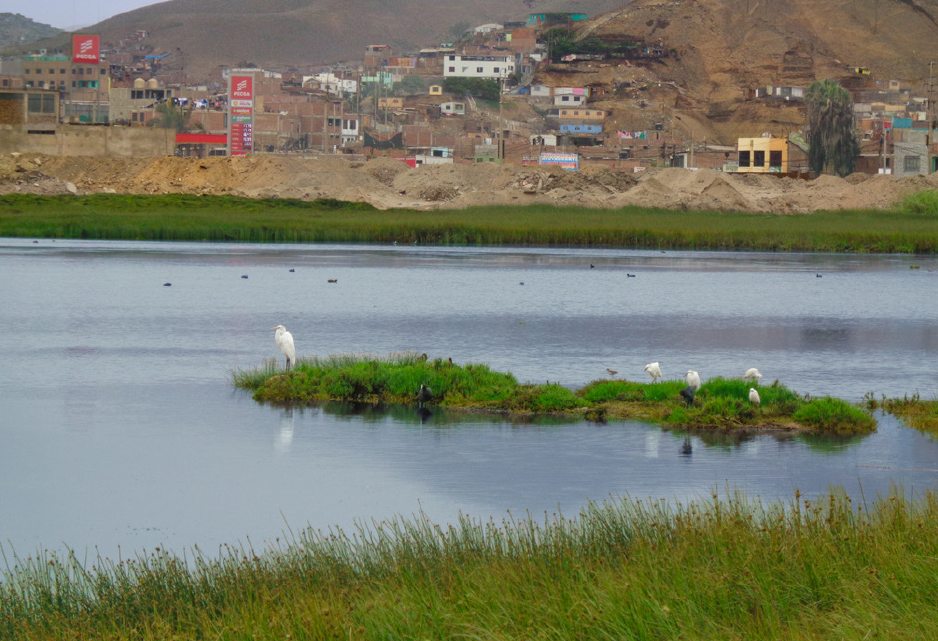
“El Mirador” Municipal Ecological Park
(Ventanilla, Callao)
Thanks to these ecosystem services, Lima’s coastal wetlands are home to more than 200 species of fauna—including amphibians, birds, mammals, fish, and reptiles—and more than 60 species of flora.
In addition, they contribute to the economic development of activities and businesses located in surrounding areas.
Currently, 91% of the capital’s coastal wetlands are protected under two conservation categories: the Refugio de Vida Silvestre Los Pantanos de Villa Natural Protected Area in the district of Chorrillos (44% in Lima), and the Humedales de Ventanilla Regional Conservation Area (47% in Callao).
However, the remaining 9% lacks effective conservation mechanisms. Of this percentage, 3% is used as public space (the “El Mirador” Municipal Ecological Park), while 6% remains under the administration of the Ministry of Defense.
Threats that leave a mark
Despite the progress achieved in conservation efforts, land-use change for urban and economic purposes continues to be the main threat to Lima’s coastal wetlands.
This growing and increasingly widespread human pressure compromises their ecological integrity and reduces their ability to provide ecosystem services.
One discouraging case occurred in the district of Lurín, where, despite multiple efforts to protect the Quilcay Wetland—covering an area of 2.54 hectares—land-use change caused its irreversible transformation.
This situation led to the loss of a natural habitat for more than 92 species of wildlife, including birds and reptiles.
A call to action!
Given this scenario, it is essential to restore Lima’s wetlands by implementing a set of strategies that create synergies between urban areas and the surrounding ecosystems.
As an alternative to models based exclusively on gray infrastructure, the ONU-Habitat, the CAF, and multiple intergovernmental organizations have been promoting new urban development models focused on Nature-Based Solutions (NbS).
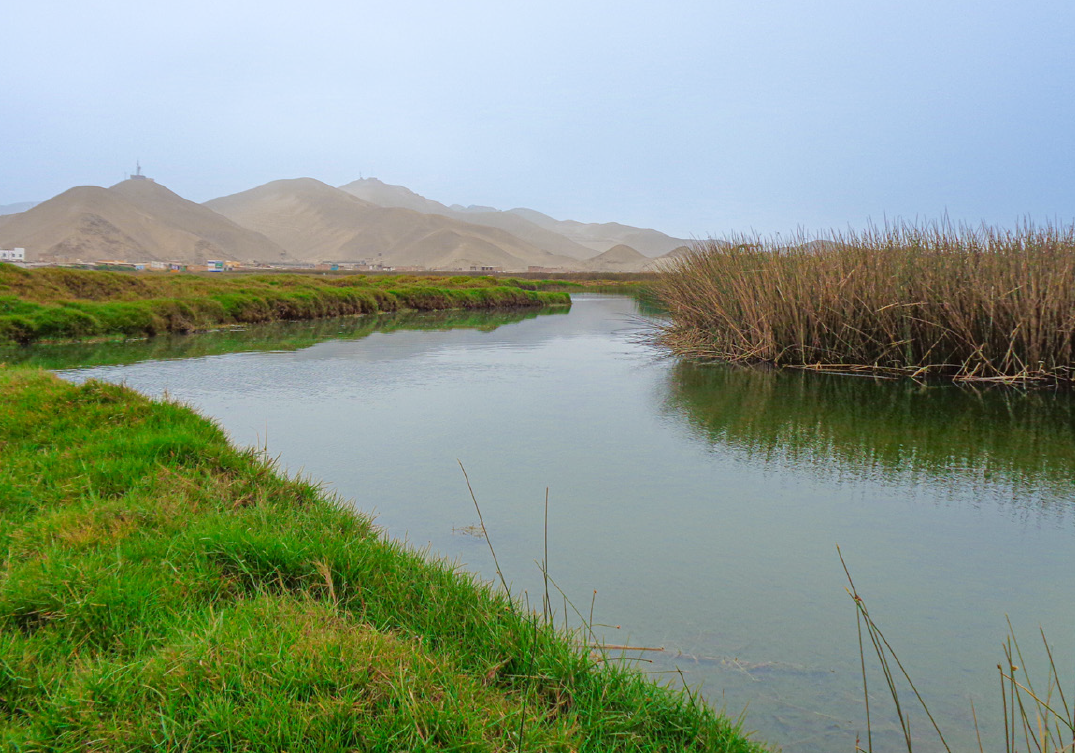
Albufera de Nuevo Mundo Regional Conservation Area
(Végueta, Huaura)
At the national level, the State has strengthened its environmental legislation by issuing regulations such as the Regulation for the Protection, Conservation, and Sustainable Use of Wetlands, approved through Supreme Decree No. 002-2025-MINAM.
Likewise, Peru continues to sign intergovernmental agreements that prioritize this ecosystem, such as:
- The Freshwater Challenge, launched during the United Nations Water Conference 2023, which includes among its commitments the restoration of 350 million hectares of wetlands worldwide.
- In addition, the Victoria Falls Declaration, adopted during COP 15 on Wetlands (2025), promotes the mobilization of public resources in support of wetlands.
Replicable models for conservation and protection
At Aquafondo, the Water Fund for Lima and Callao, we are convinced that all freshwater bodies—regardless of their location—deserve the same level of attention in terms of conservation and protection, especially in a context of water crisis where water availability continues to decline year after year.
Based on this vision, Aquafondo has developed an Intervention Model that provides tools for the design and implementation of Nature-Based Solutions.
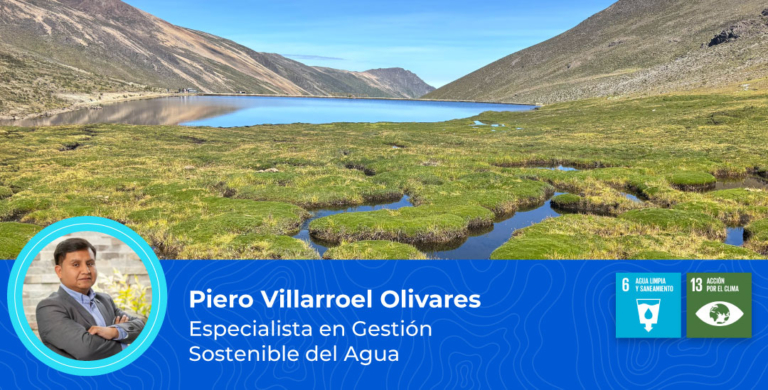
This model has shown positive results in an Andean wetland ecosystem (bofedal) and offers a replicable foundation for conservation and protection projects focused on Lima’s wetlands.
From this perspective, it is essential for every citizen to understand the importance of the spaces where water originates (bofedales) and where its natural journey ends (wetlands).
Both provide the ecosystem service of water regulation, regulating water volumes ranging between 4,000 and 130,000 m³ per year.
Therefore, their conservation and protection are essential to advancing toward the development of a sustainable and climate-resilient city.
Join the change and let’s build together the starting point for conserving and protecting the coastal wetlands of our capital.
#JuntosPorElAgua

