






They allow planting water in the rainy season for harvesting in the dry season.

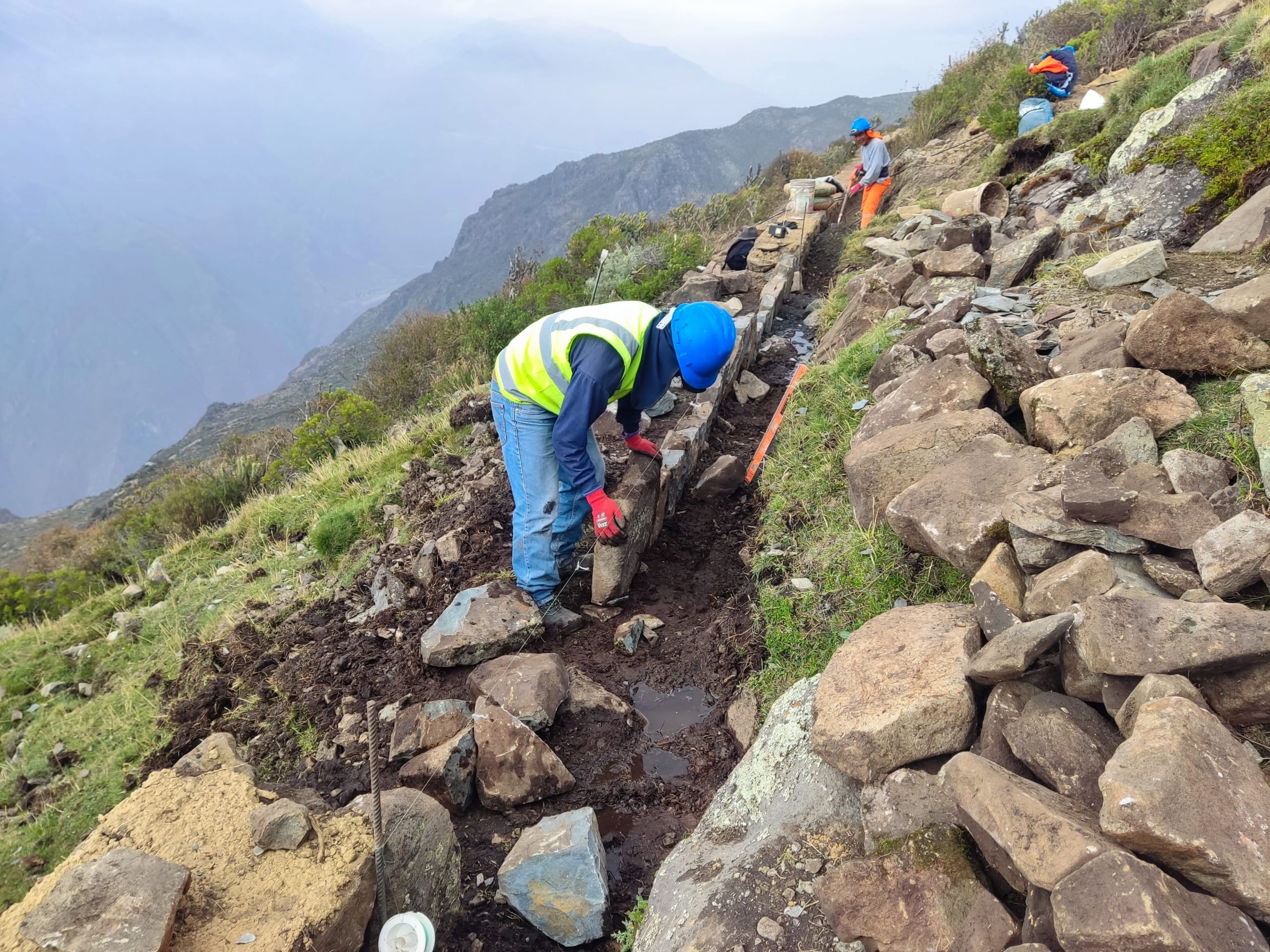
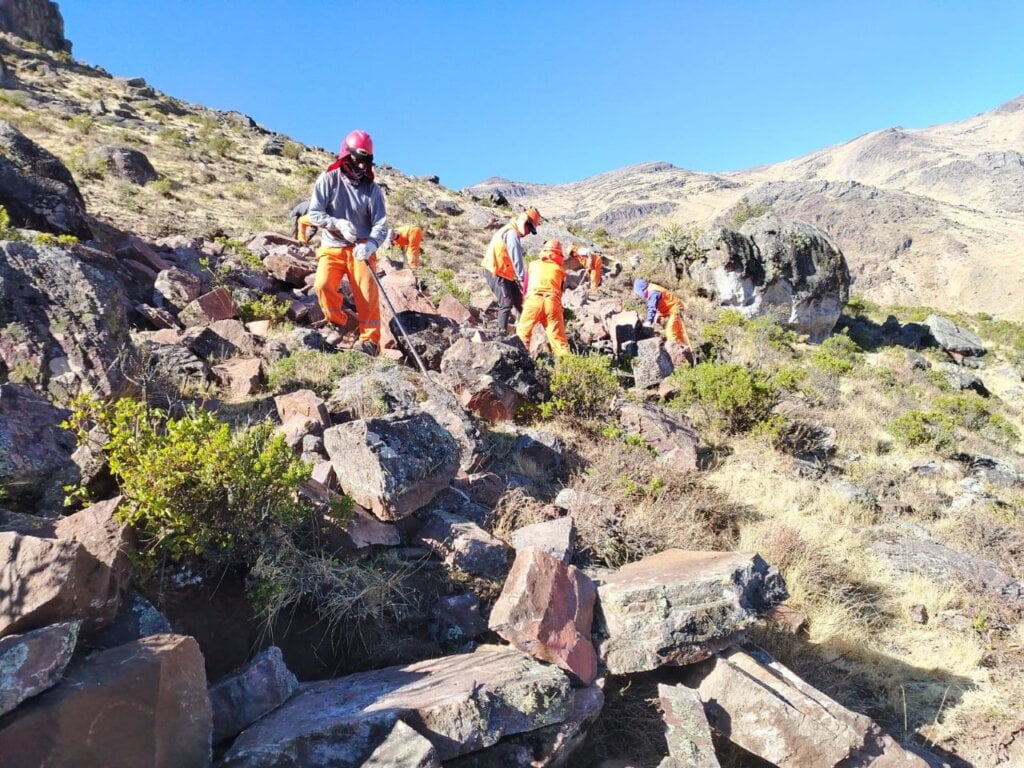
We rehabilitate amunas, qochas and bofedales that recharge water to the subsoil, strengthening communities and water reserves.
We train leaders and young people committed to water, promoting programs that educate, inspire and promote sustainability.
We strengthen food security with technified irrigation and sustainable practices that care for the environment and ecosystems.

We develop projects that provide safe, quality water, improving health and reducing water gaps.
Political, social, economic and administrative processes and structures used to develop, regulate and manage water resources.
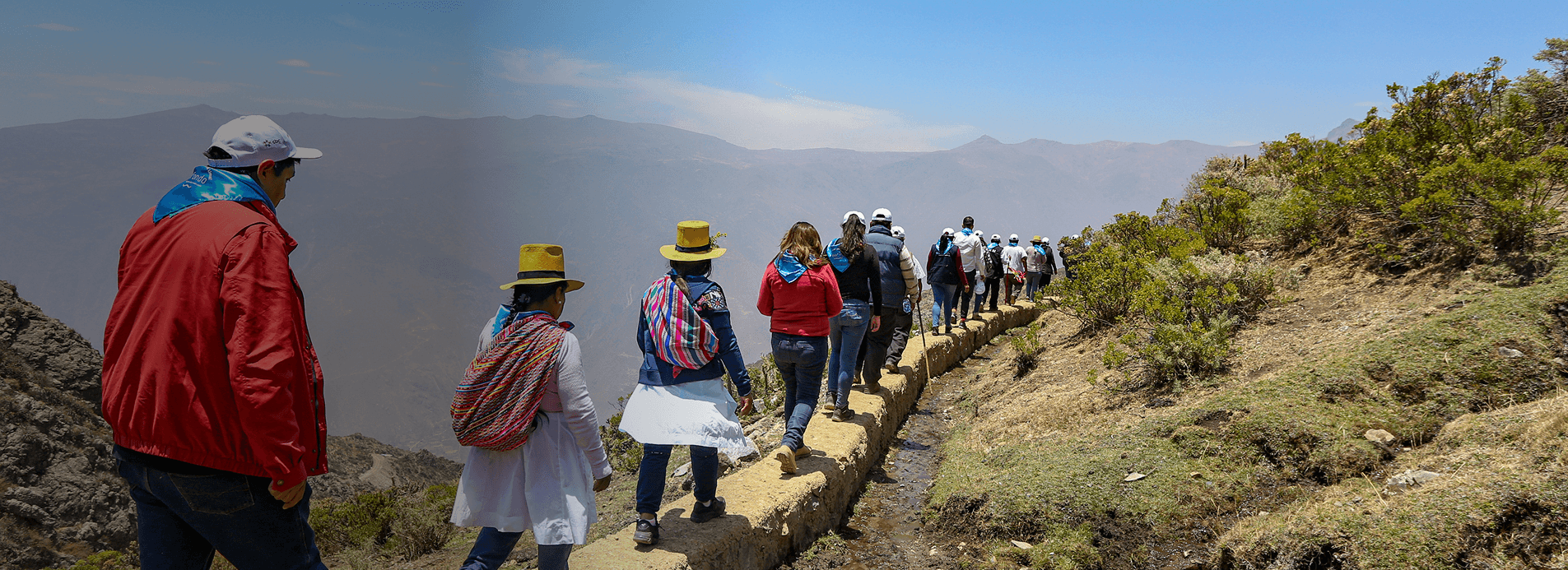
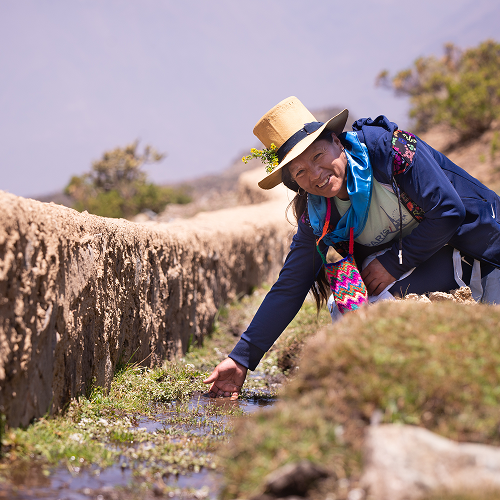
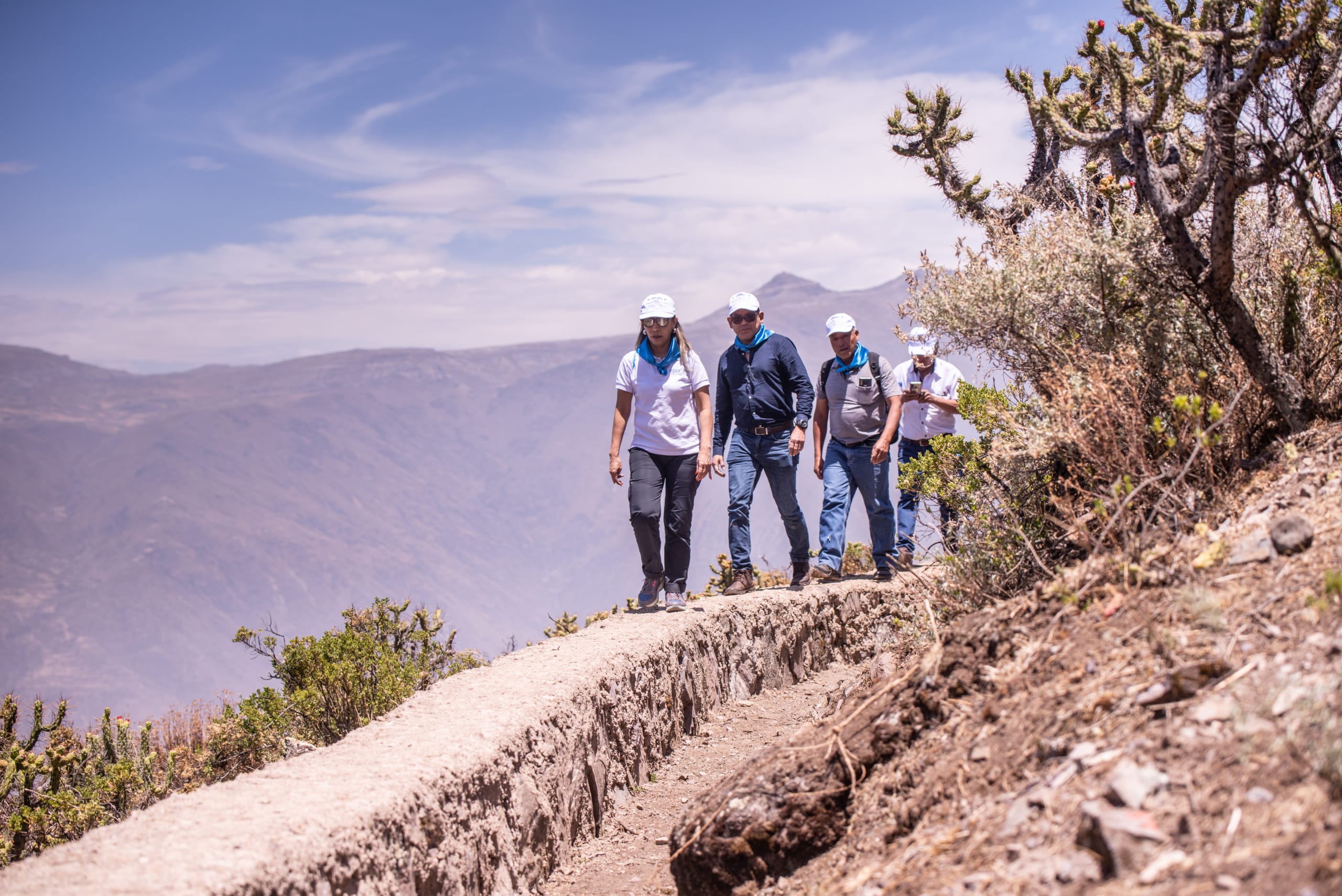
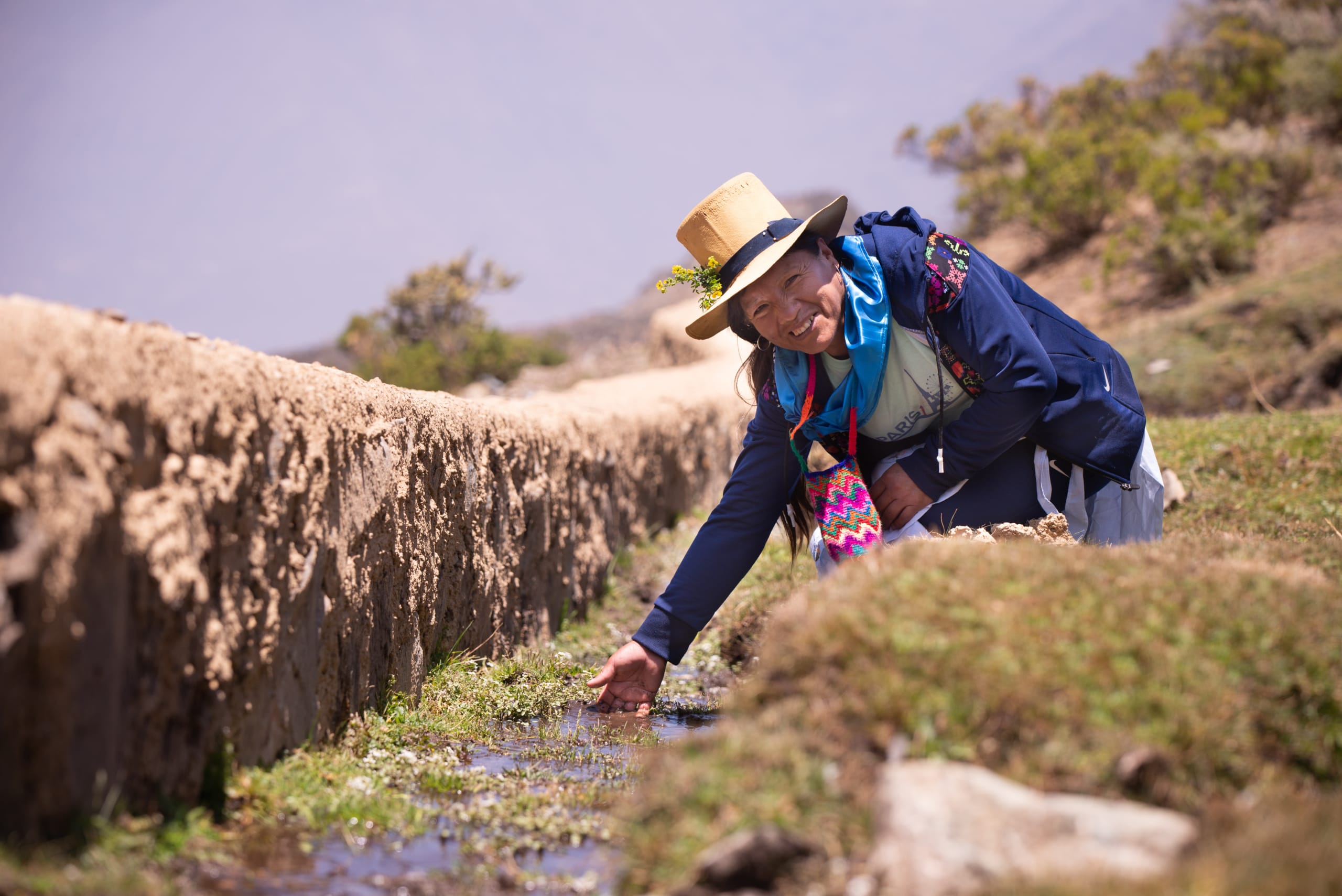
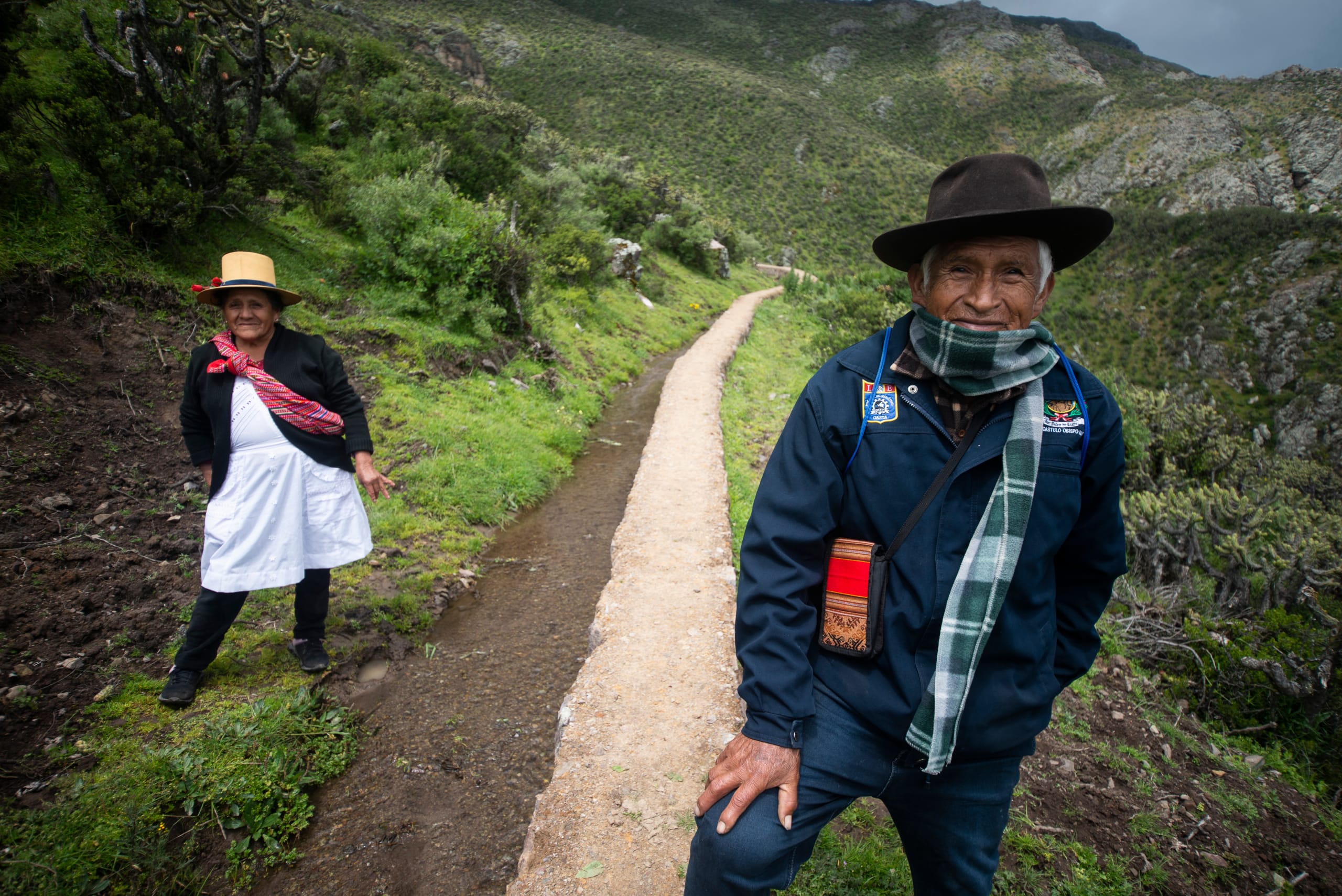
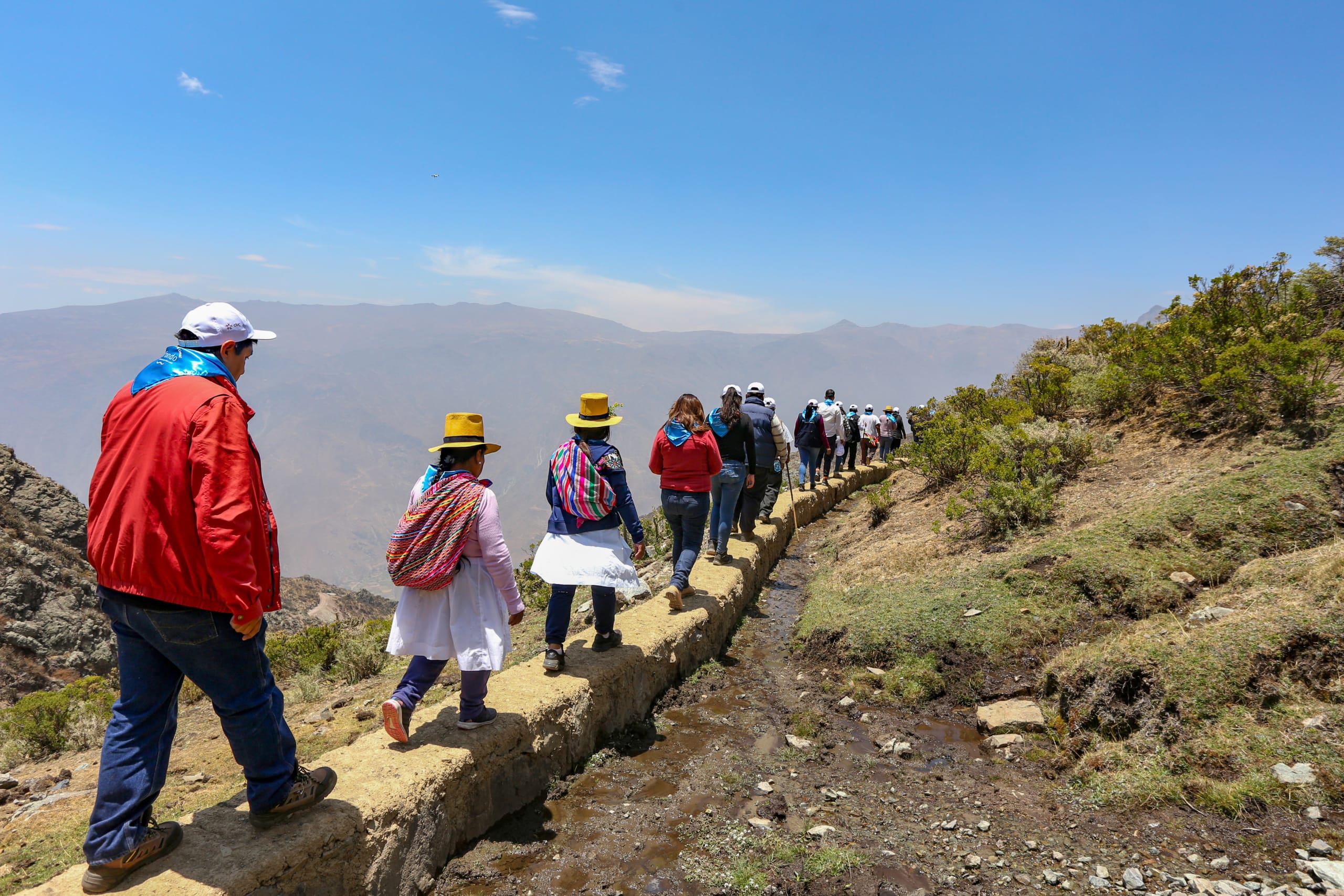
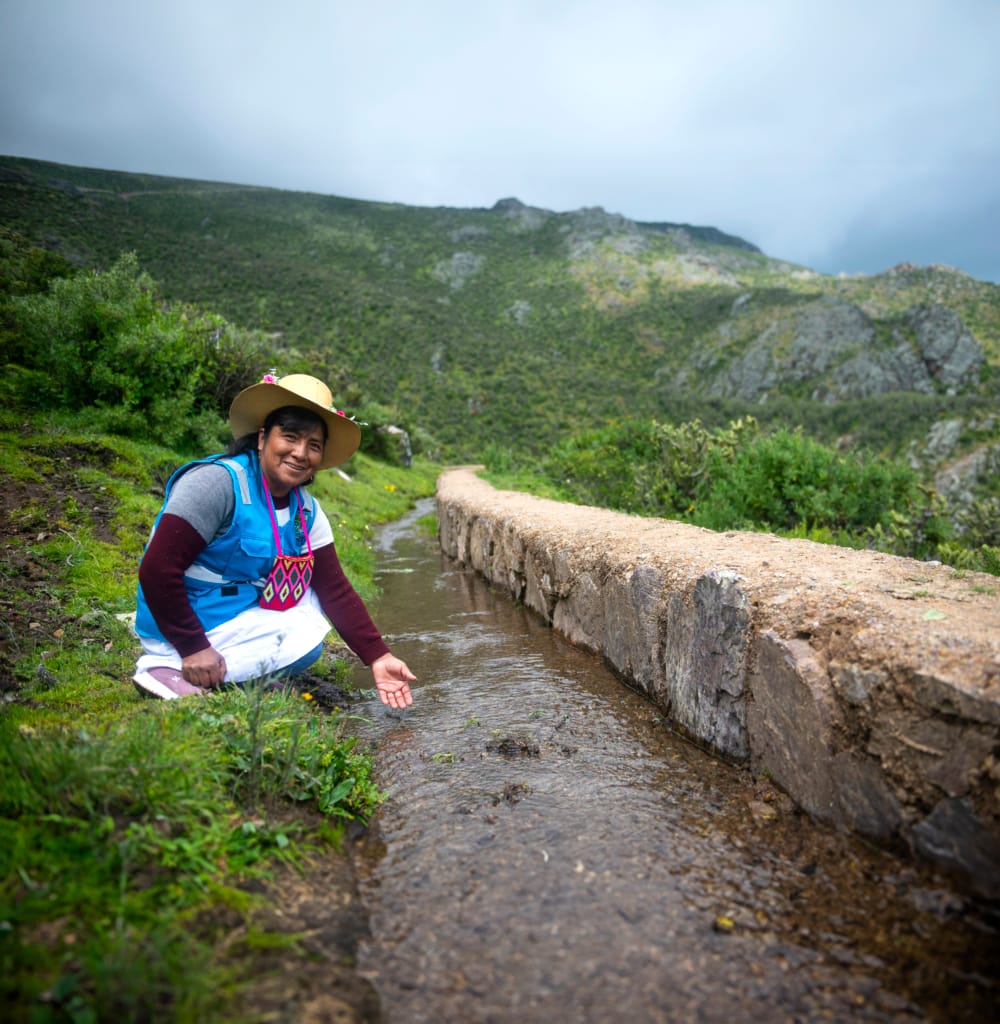
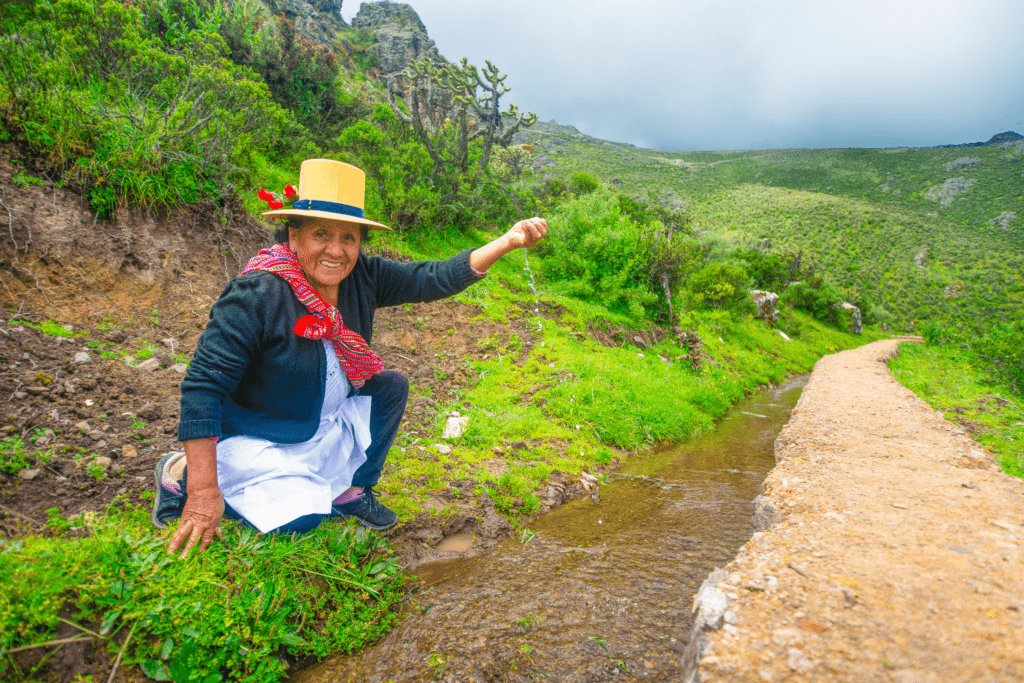
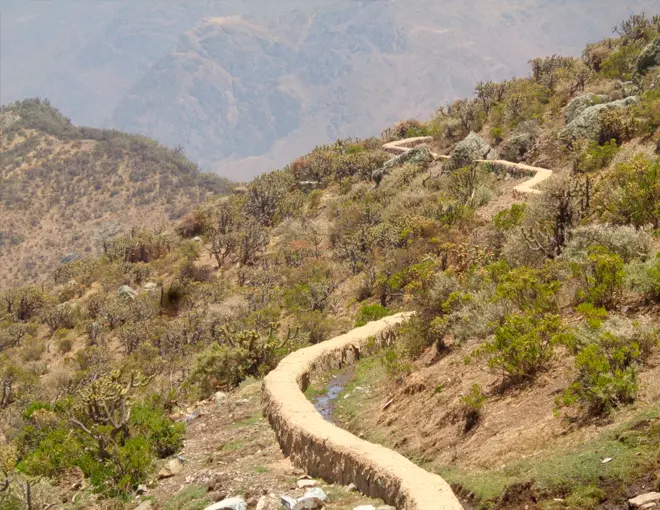
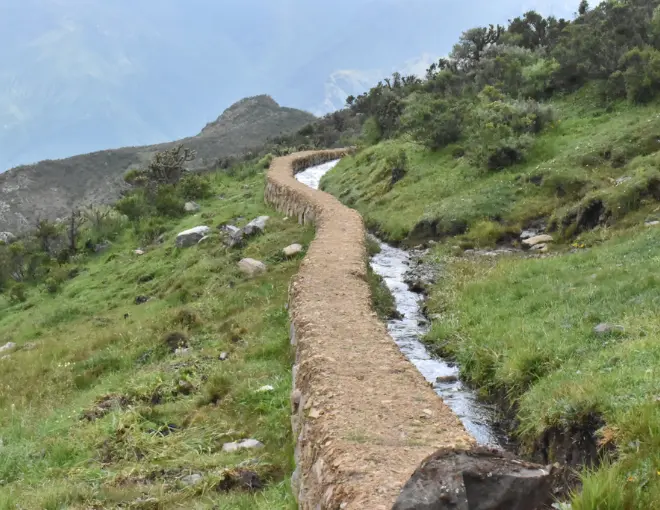
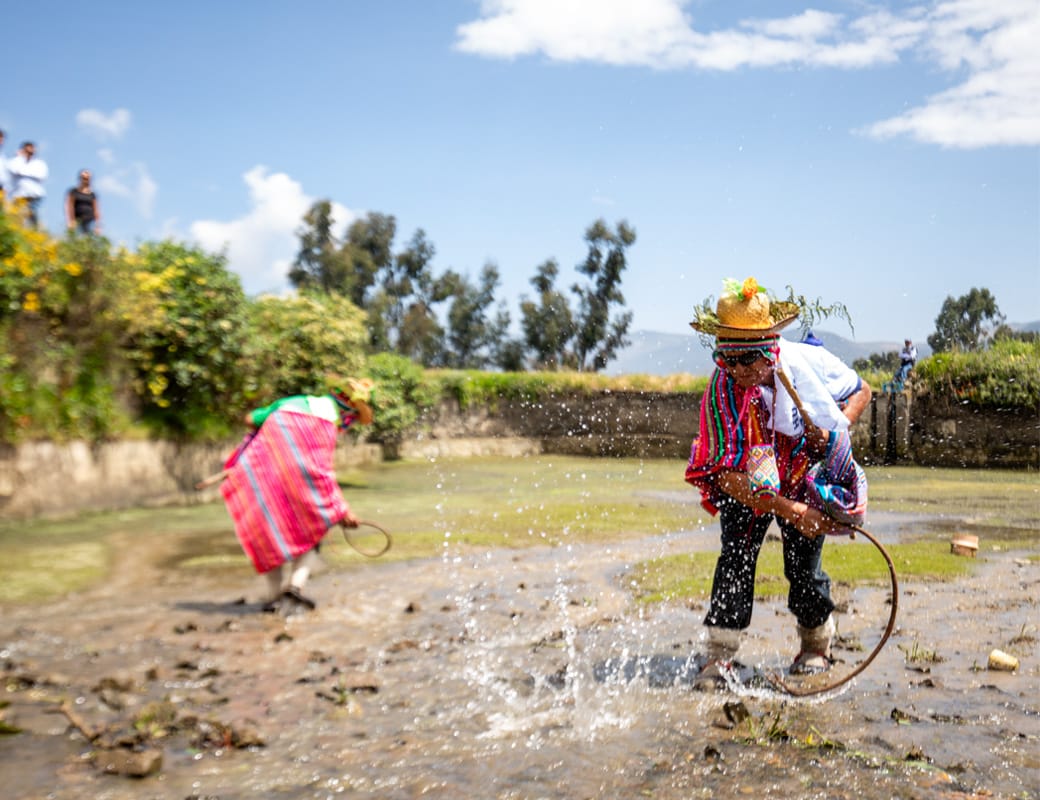
The amunas are an ancestral Andean technology that demonstrates that innovation also implies revaluing our past. Designed more than a thousand years ago, they regulate water in the territory: capturing it during the rainy season, storing it underground and releasing it gradually in the dry months. In a context of climate change and water stress, amunas are a natural solution for the water of the future.
They allow planting water in the rainy season for harvesting in the dry season.
They contribute to the recharge of water in aquifers.
They contribute to demonstrate that BNS is effective when it integrates ancestral knowledge and modern science.
Strengthen the climate resilience of Lima's high Andean communities.

+ 14 million m³
of water infiltrated annually.
+ 6 thousand m²
of conserved mountain ecosystems.
+ 87 km
of rehabilitated amunas.
7 communities
reduced their climate vulnerability.
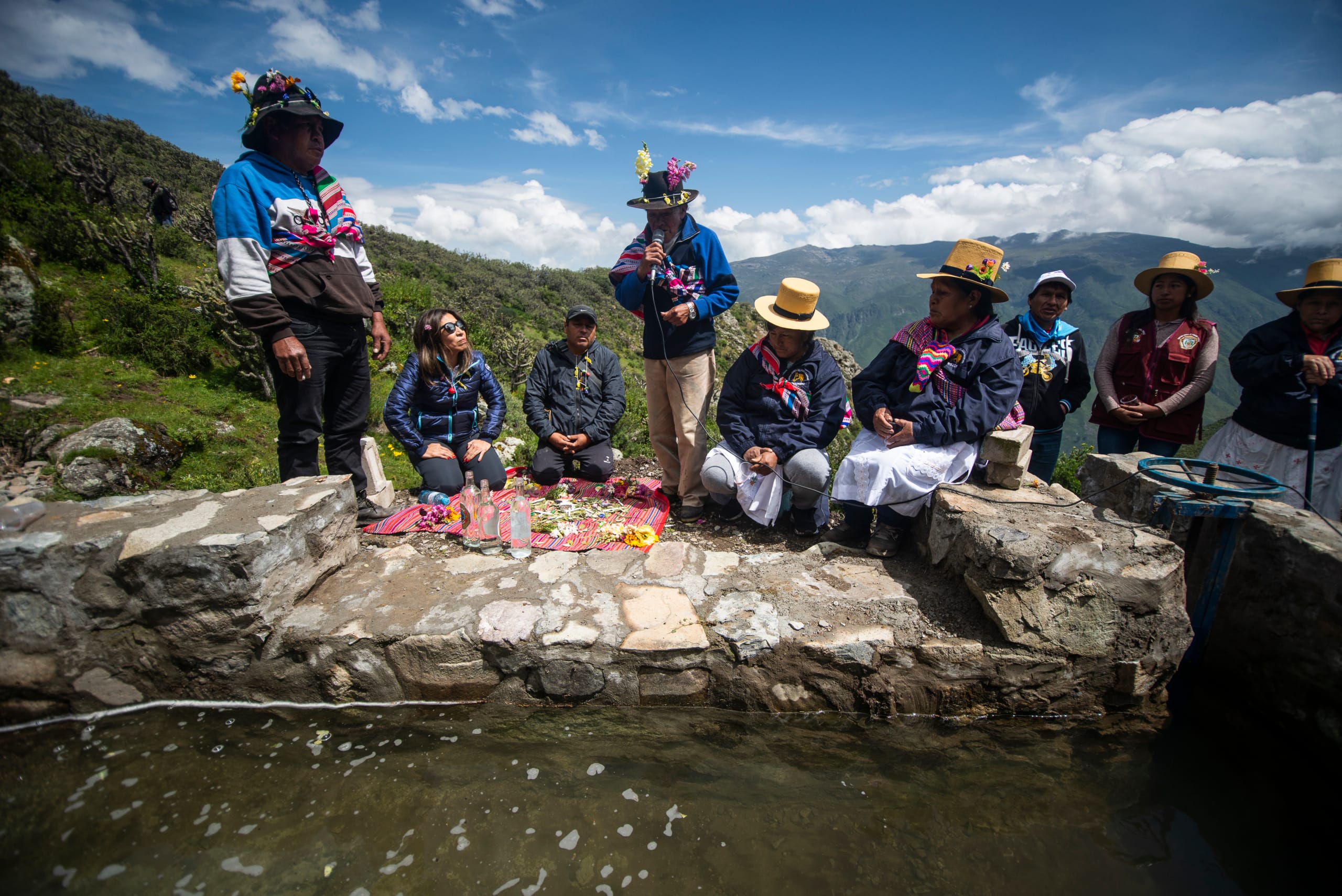
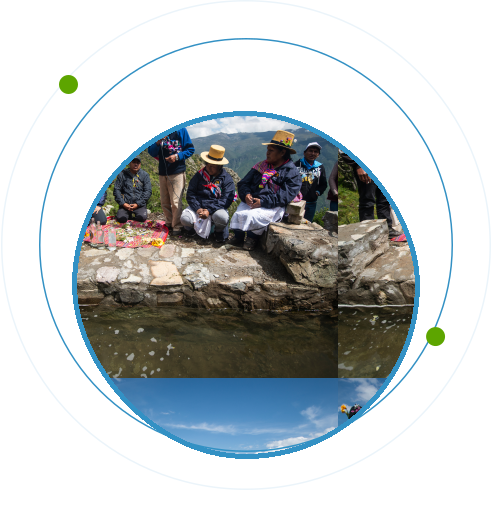
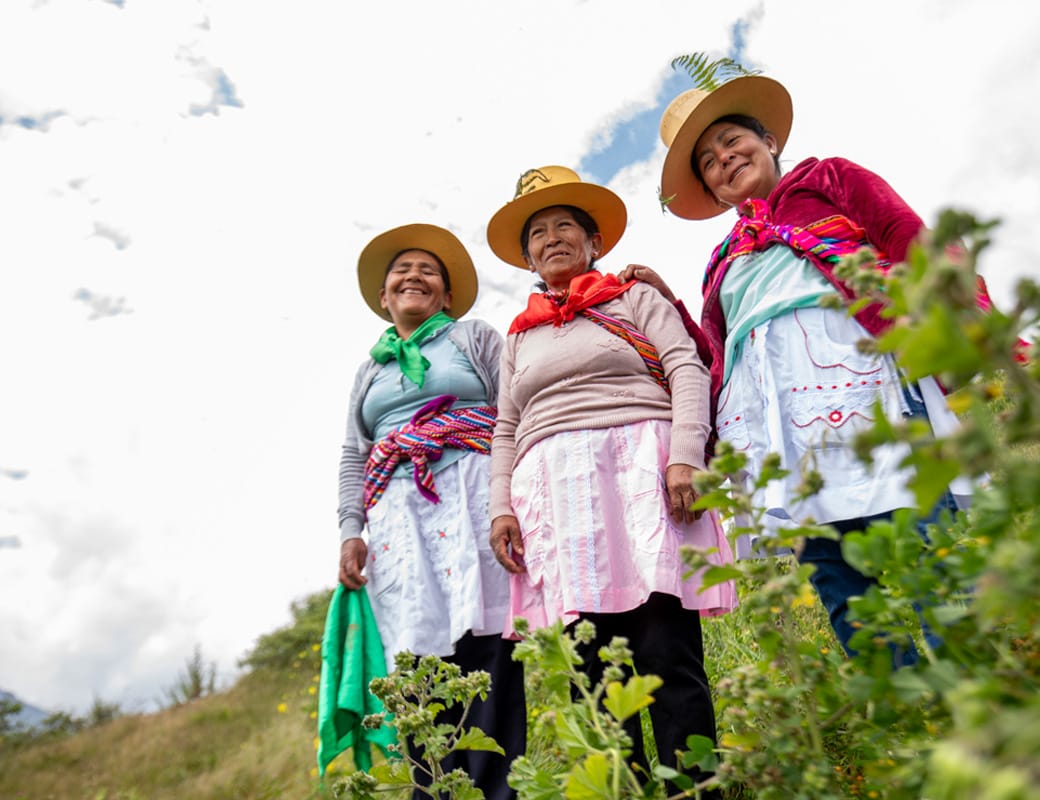
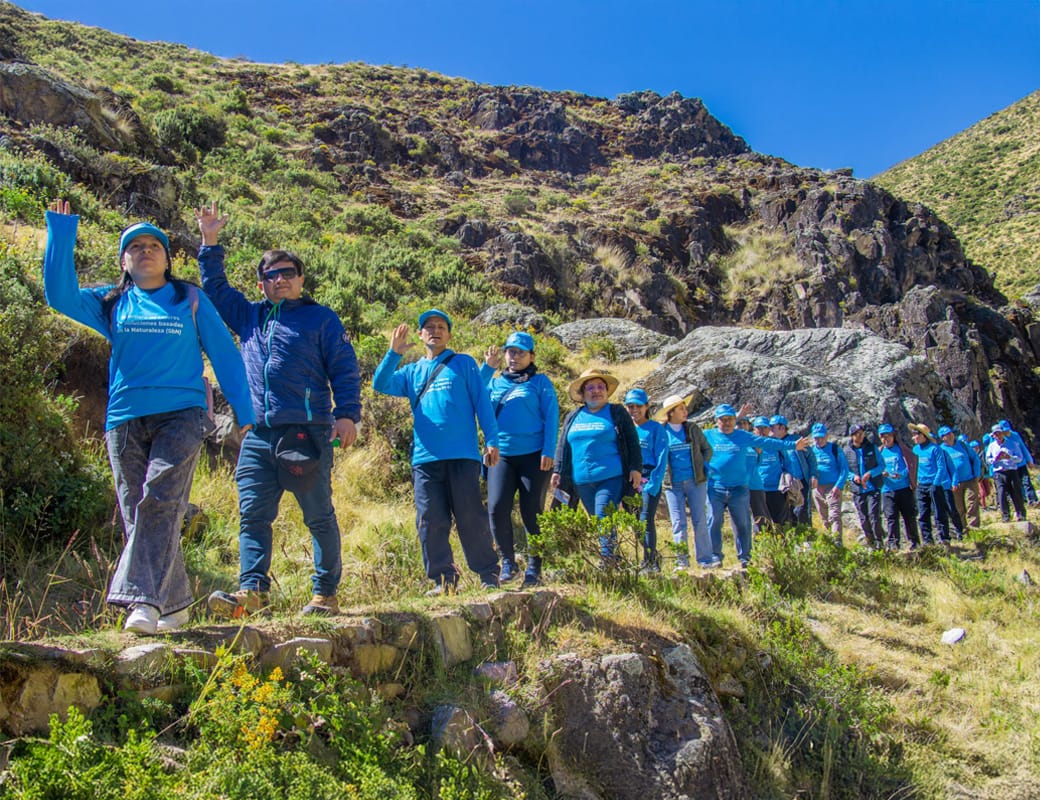
The amunas continue to function because the high Andean communities, heirs to this knowledge, assume their role as guardians of the water. Their active participation ensures that the ancestral knowledge is maintained and that the benefits reach the entire city.
#SúmateTúTambién