










Building water resilience also means listening to those who live in and care for the territory every day. For this reason, at Aquafondo, together with our strategic partner the Lincoln Institute of Land Policy, we launched the project “Future Scenarios for Water Resilience in the Santa Eulalia Sub-basin,” an initiative aimed at identifying the key changes and challenges that could affect water availability by the year 2050.
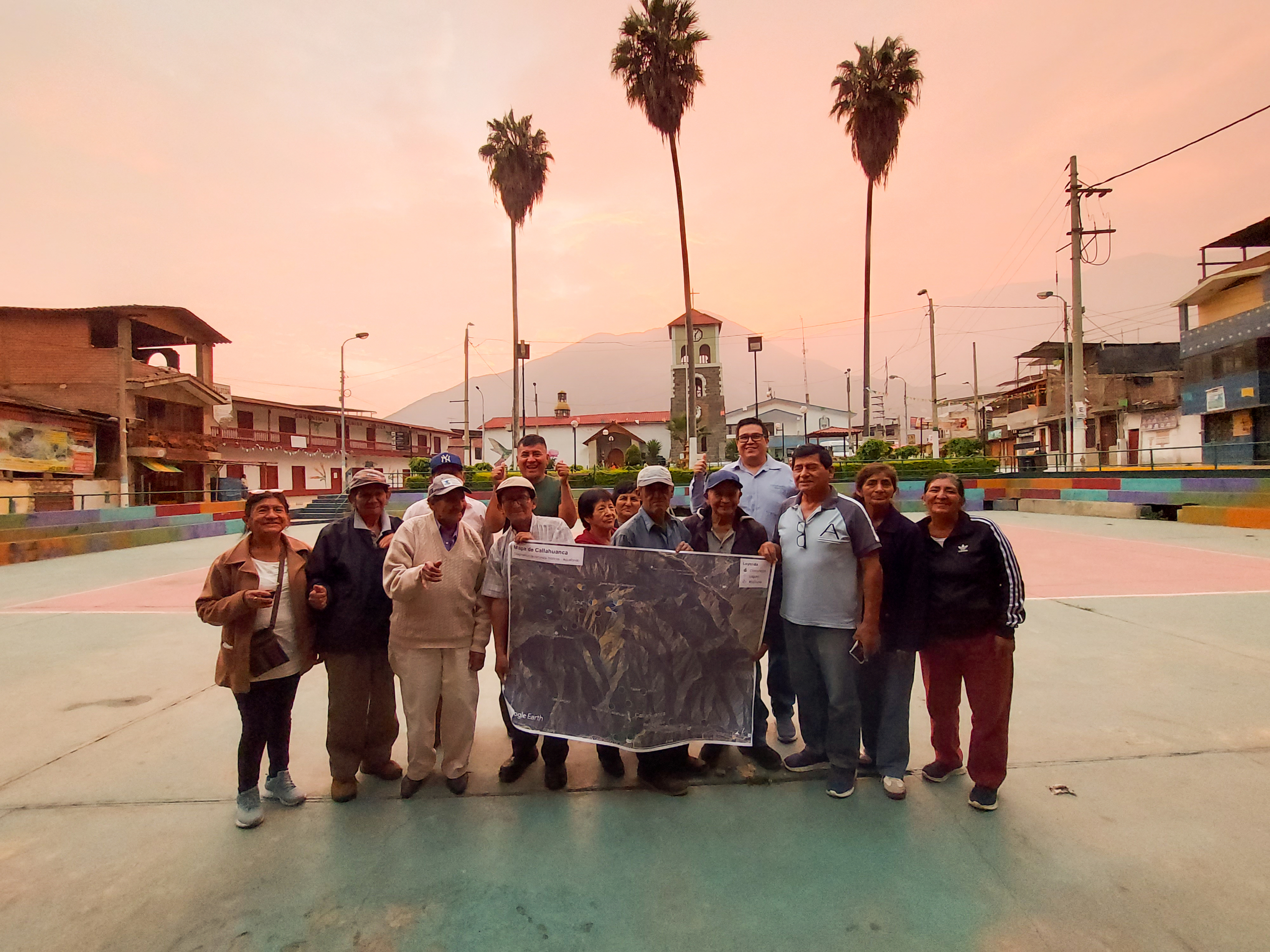
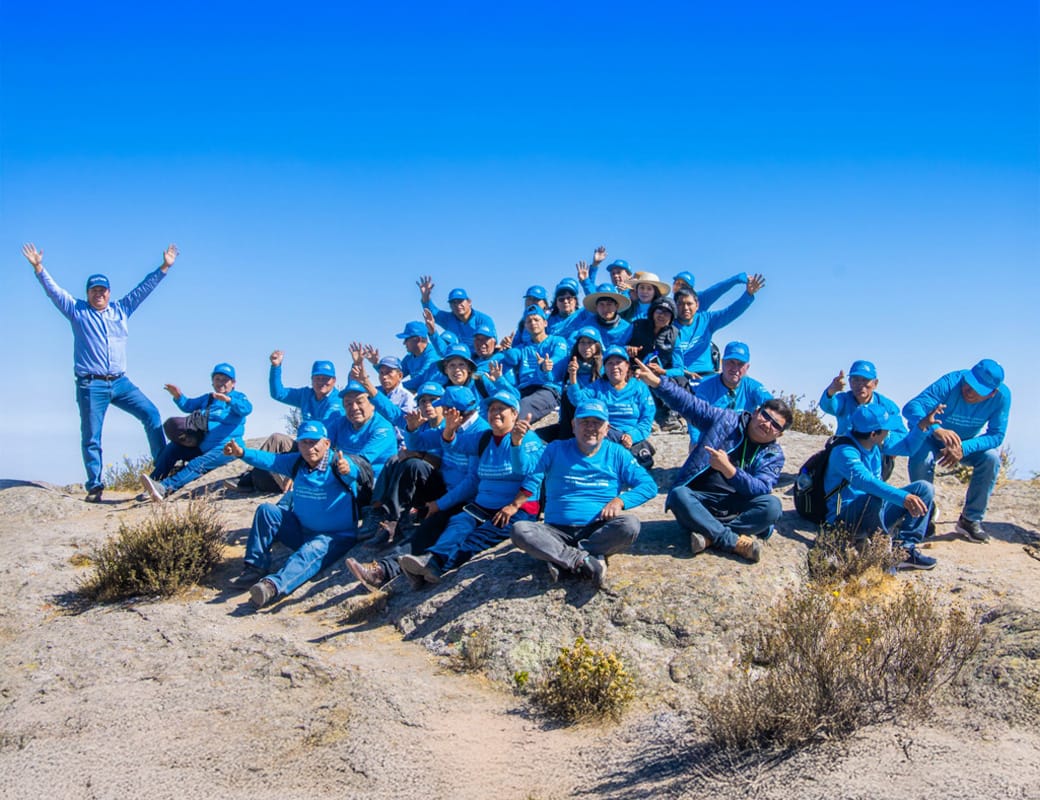
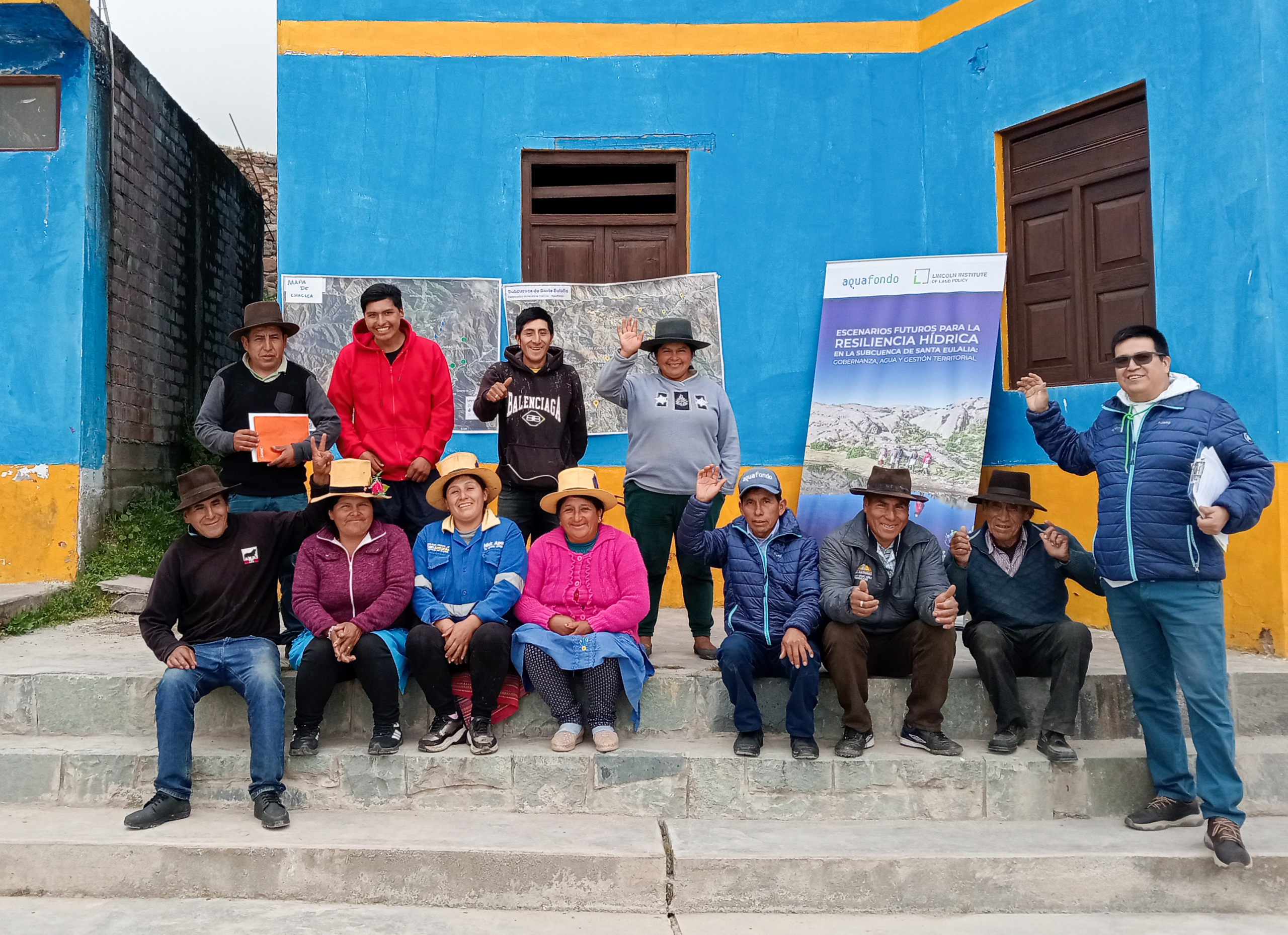
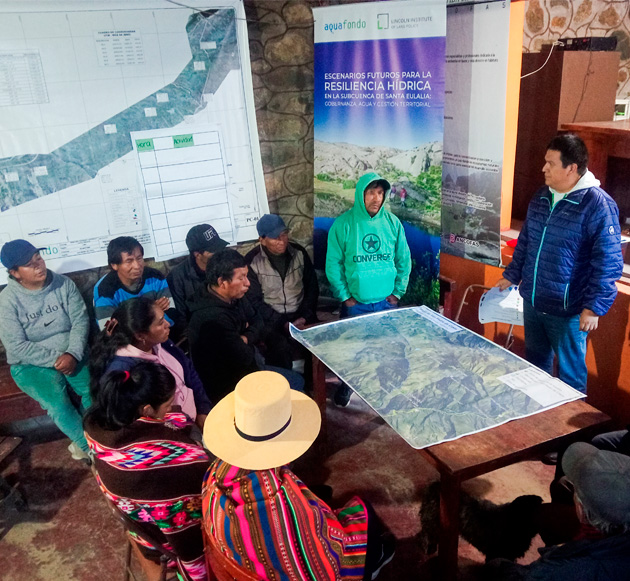
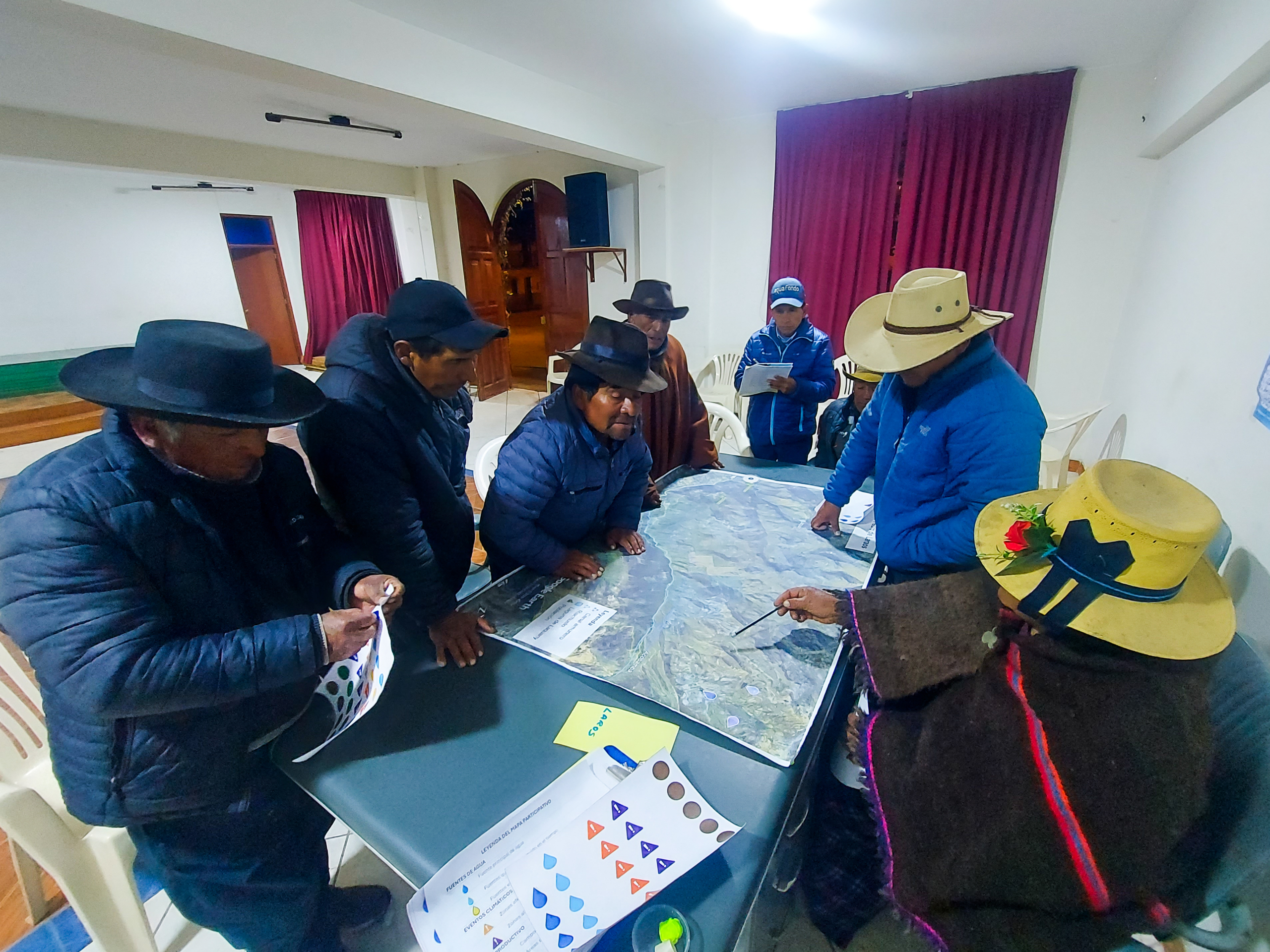
As part of this first phase, we visited 9 districts and 11 communities that are critical to the water supply of the sub-basin. Through interviews and participatory mapping activities, we created spaces for dialogue where community members shared their experiences, concerns, and expectations regarding the future of water in their territory.
Listening to community voices to strengthen water security
During each meeting, we gathered valuable insights on the changes that communities are already observing in the climate, water availability, and territorial dynamics. These conversations allowed us to better understand the challenges that future generations may face while also recognizing local knowledge and experience as fundamental elements for building sustainable solutions.
In addition to strengthening the project’s assessment, this participatory process helps us integrate diverse perspectives and develop proposals that are more closely aligned with the realities of local communities.
Building strategies for a more resilient future
In the coming months, we will organize a multi-stakeholder forum that will bring together diverse actors from across the territory to identify priorities and define strategies aimed at strengthening water resilience in Santa Eulalia.
Through this collaborative effort, we seek to contribute to more sustainable water management that is better prepared to face future climate challenges.
At Aquafondo, we reaffirm that water security is built through collaboration—by listening to communities and promoting joint actions that help secure water for future generations.